
What to Do if You Are Hit by an Uninsured Driver
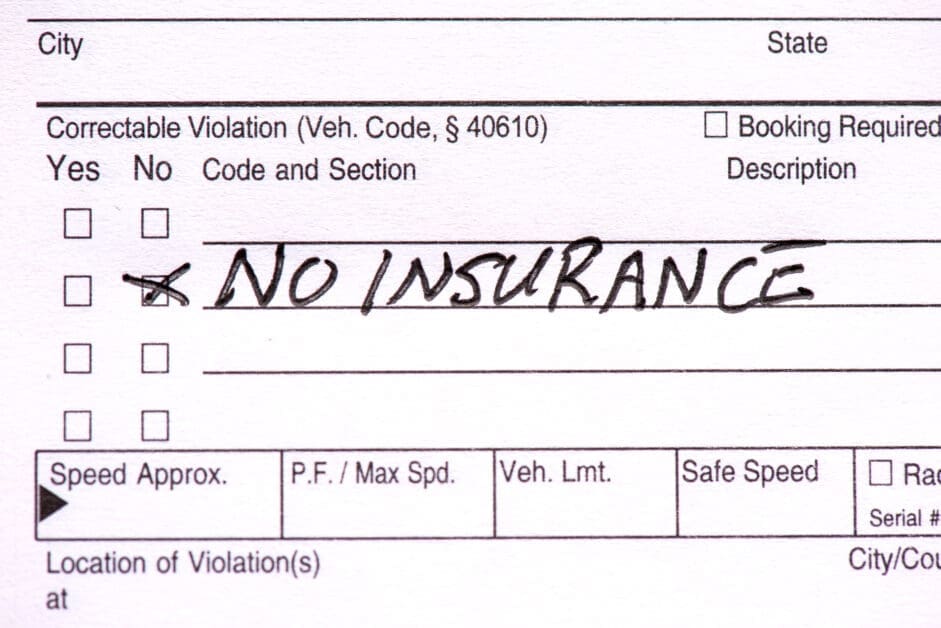
Alabama has one of the higher uninsured driver rates in the country, and Tuscaloosa sees its share of them. Between the university traffic, the commercial vehicles on I-20 and I-59, and the local commuter routes, collisions here are common enough on their own. When the at-fault driver in one of those collisions has no insurance, the situation gets more complicated and more expensive for the person who wasn’t at fault.
A Tuscaloosa uninsured motorist accident attorney can help you pursue compensation through the channels that are still available, because the other driver’s lack of insurance doesn’t mean you’re out of options. But those options have deadlines and procedural requirements you’ll need to act on quickly.
Check Your Policy First
Your auto insurance policy may include uninsured motorist (UM) coverage. This pays for your injuries and, depending on the policy, your property damage when the at-fault driver has no insurance or not enough to cover your losses.
UM coverage isn’t mandatory in every state, but some require insurers to offer it when you buy a policy. If you declined it in writing, you won’t have it. If you don’t remember, pull your declarations page or call your insurer. That document will tell you whether UM coverage is on the policy and what the limits are.
If you do have it, you’ll file the claim with your insurance company. Don’t assume that makes it a friendly process. Your insurer will evaluate the claim the same way they’d evaluate one filed against someone else’s policy. Their interest is in paying what the policy requires, not what you need.
Underinsured vs. Uninsured Coverage
An uninsured driver has no policy, whereas an underinsured driver has one with limits that aren’t enough to cover your damages.
If the at-fault driver’s policy caps at $25,000 and your medical bills are $80,000, underinsured motorist coverage applies in the gap between their coverage and your actual losses.
The claims process and available limits can differ depending on whether your UM policy handles both or treats them separately. Have your attorney review the policy language if you’re not sure.
Suing the Driver Directly
You can still file a personal injury lawsuit against the at-fault driver. The problem is whether they can pay. If they couldn’t afford insurance, there’s a reasonable chance they don’t have assets worth pursuing.
It’s not always a dead end, though. Some uninsured drivers own property, earn wages that can be garnished, or will eventually have the means to pay. Your attorney can evaluate whether the cost of pursuing a judgment is justified by the likelihood of collecting on it.
Documenting the Accident
The documentation requirements after a collision with an uninsured driver are the same as any other accident, but the stakes are higher. There’s no insurer on the other side building a file. You’re the one who has to preserve the evidence.
Your UM claim and any lawsuit you file will be based on documentation. Make sure to:
- Get the police report.
- Photograph the vehicles, the scene, and your injuries.
- Collect the other driver’s information even if they tell you they have no insurance.
- See a doctor the same day, even if the injuries feel minor.
- Keep every medical record, every bill, and every receipt for expenses related to the accident.
Time Limits
The statute of limitations for personal injury claims is generally between one and four years from the date of the accident. That applies whether the other driver had insurance or not. Your UM claim may also have a separate contractual deadline written into the policy itself, and that one can be shorter.
Missing either deadline eliminates your ability to recover. If the accident was recent and you haven’t started the process, the priority is getting it started now rather than waiting to see how the injuries develop first. Your attorney can file the necessary paperwork to protect the deadline while the medical picture continues to take shape.
Filing the UM Claim
Your UM insurer will require a formal claim with supporting documentation before they begin evaluating it. Some UM policies include arbitration clauses that route the dispute outside the court system entirely. Your attorney should review the policy language before filing anything to make sure the claim goes through the correct channel.
Published with permission from Cartee & Lloyd Law Firm – Alabama














