
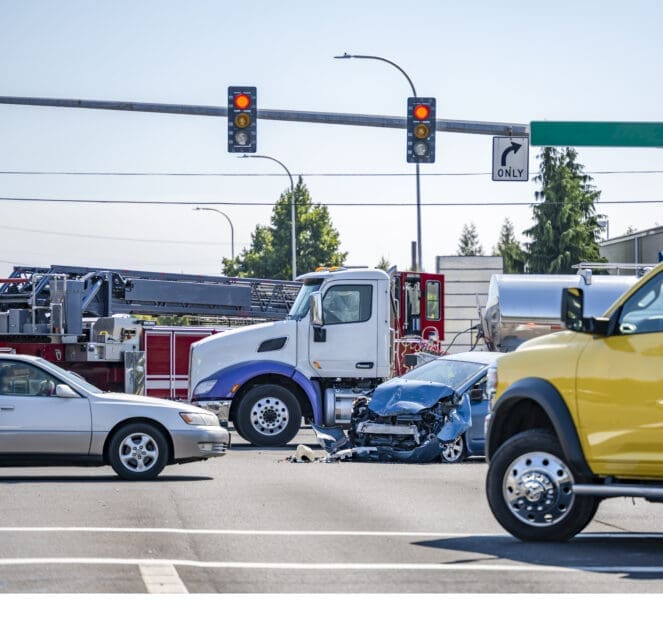
Proving Negligence After a Commercial Vehicle Crash in Missouri
Commercial vehicle collisions alter lives in a fraction of a second. The physical force generated by an eighty-thousand-pound semi-truck hitting a passenger car often results in catastrophic injuries or wrongful death. Navigating the aftermath requires a deep understanding of corporate accountability and state traffic laws. Victims must act quickly to preserve physical evidence and establish clear liability before corporate insurance teams minimize their financial exposure. Missouri highways see massive commercial traffic daily. Interstate 70, Interstate 55, and Interstate 44 serve as vital national shipping corridors. This heavy congestion increases the frequency of severe tractor-trailer collisions. Establishing who is at fault requires an investigation into driver behavior, fleet maintenance records, and logistics scheduling. Corporate fleet operators deploy specialized accident reconstruction teams to crash scenes within hours of a report. These teams work to protect the company’s financial interests by shifting blame onto passenger vehicle drivers. Surviving victims need an equally aggressive counter-strategy to protect their legal rights. Understanding the nuances of state civil procedures is the first step toward securing fair compensation.
The Legal Complexities of Commercial Carrier Liability
Determining responsibility in a commercial motor vehicle crash goes far beyond standard auto accident claims. A typical passenger vehicle collision involves two drivers and their respective insurance carriers. A commercial vehicle wreck can implicate a vast network of corporate entities, each carrying massive insurance policies designed to aggressively fight litigation.
Liability might rest on the fleet operator under the doctrine of respondeat superior if the operator employed the driver. If the operator used an independent contractor, the legal strategy must pivot to negligent vetting or unsafe operational practices. This web of corporate relationships requires careful analysis of corporate contracts and operating agreements.
Furthermore, a third-party logistics company might share blame if they loaded the trailer improperly. Uneven weight distribution or unsecure freight can cause a tractor-trailer to tip over during a sudden maneuver or brake failure. Identifying every potential defendant is essential to ensuring there are adequate financial resources available to cover long-term medical care.
Federal Regulations Governing the Interstates
Commercial transport operations must adhere strictly to safety rules established by the Federal Motor Carrier Safety Administration. These guidelines dictate everything from background checks to vehicle maintenance schedules. When a transportation provider ignores these rules to maximize profit margins, they create clear grounds for a civil liability claim.
Hours-of-service mandates limit the exact amount of time an operator can remain behind the wheel without a rest break. Drivers are generally restricted to eleven hours of driving within a fourteen-hour window after ten consecutive hours off duty. Companies often pressure drivers to bypass these rest requirements to meet unrealistic delivery deadlines, leading to severe fatigue-related collisions.
Modern tractor-trailers utilize electronic logging devices to record driving durations automatically. These devices replace manual paper logbooks that were easily manipulated. Reviewing electronic logs immediately after a wreck reveals whether a fleet operator allowed an exhausted operator to remain on the road illegally.
Navigating Missouri Insurance Policies and Pure Comparative Fault
Missouri operates under a pure comparative fault system as outlined in Missouri Revised Statute Section 537.765. This legal framework means an injured party can recover compensation even if they share a percentage of blame for the collision. The total financial recovery is reduced by the victim’s exact percentage of responsibility as determined by a jury.
For instance, if a court determines your total financial losses equal one hundred thousand dollars but finds you twenty percent responsible due to a delayed braking response, your final reward becomes eighty percent of that total. Insurance adjusters use this law to aggressively claim that the passenger vehicle driver contributed to the crash. Overcoming these defenses requires undeniable physical evidence and expert testimony.
Because commercial policies often involve millions of dollars in coverage, the stakes are incredibly high for the defense. Corporate adjusters will dissect medical files, social media posts, and initial police statements to find any reason to reduce their payout. Retaining a skilled St. Louis Semi-Truck Accident Lawyer allows victims to shield themselves from these corporate tactics while a comprehensive independent investigation is launched.
Crucial Steps for Preserving Electronic Evidence
Building an unassailable injury claim requires immediate action to protect sensitive electronic data held by the transportation firm. Commercial vehicles are equipped with event data recorders, commonly known as black boxes. These devices capture vital technical metrics in the seconds leading up to an impact.
The black box logs engine parameters, vehicle velocity, brake application status, and steering input angles. This data provides an objective digital footprint of the collision. Fleet operators are not legally obligated to preserve this data indefinitely unless they receive a formal spoliation letter demanding its retention.
If a spoliation letter is not sent immediately, the fleet carrier may overwrite the digital records during routine maintenance or vehicle repair. This lost data can severely undermine an injury claim. A proper legal demand prevents the destruction of this evidence and forces the company to grant access to independent mechanical engineers for download.
Understanding Common Causes of Heavy Vehicle Wrecks
Identifying the underlying mechanical or behavioral catalyst of a collision is a primary focus of an independent investigation. While driver error is a frequent factor, systemic corporate failures often create the conditions that make a major collision inevitable on busy metropolitan roadways. The following list highlights the primary operational failures discovered during commercial crash investigations:
- Severe Operator Fatigue: Driving past legal service hours to hit tight delivery windows on major shipping channels.
- Inadequate Fleet Maintenance: Operating vehicles with worn brake linings, bald tires, or defective steering linkages.
- Negligent Corporate Hiring: Placing operators behind the wheel without verifying their commercial driving records or licensing credentials.
- Improper Cargo Securement: Overloading trailers or failing to block freight securely, causing shifting weight distributions.
- Substance Impairment: Operating heavy machinery under the influence of illicit substances or prescription stimulants.
The Critical Timelines of the Missouri Civil System
Missouri law provides a specific legal window for injured victims to seek financial compensation through the court system. Under Section 516.120 of the state code, a plaintiff generally has five years from the exact date of a collision to file a personal injury lawsuit. While this timeline seems generous, delaying an investigation can permanently damage a case.
If a collision results in a tragic fatality, the legal timeline shrinks significantly. Family members pursuing a wrongful death claim under state statutes have only three years from the date of passing to file a formal lawsuit. Missing these statutory dates strips the victim’s family of their legal right to hold the negligent parties financially accountable.
Claims involving government-owned vehicles or regional transit authority buses have even stricter rules. Administrative notices must often be submitted within ninety days of the incident to preserve the right to sue. Initiating the legal process immediately ensures that physical evidence like highway camera footage and witness recollections do not vanish over time.
Maximizing Recovery Against Corporate Insurers
Securing a fair resolution requires proving the full extent of your physical and financial losses. Medical experts must evaluate your prognosis to calculate the lifetime cost of surgeries, physical therapy, and specialized medical equipment. Economic analysts are often brought in to project lost earning capacity if a permanent disability prevents you from returning to your career field.
Corporate insurers prefer to settle claims quickly for a small fraction of their true value before the victim realizes the long-term impact of their injuries. Accepting an early, lowball offer releases the trucking company from all future financial responsibility. A meticulous presentation of evidence forces the insurer to address the actual long-term human cost of the collision.
Conclusion
Overcoming the aftermath of a major tractor-trailer wreck requires quick action and meticulous legal preparation. Because commercial fleet operators deploy rapid-response defense teams to minimize payouts immediately after a crash, victims must counter with immediate evidence preservation tactics. Proving liability hinges on securing volatile digital records, ensuring compliance with federal safety regulations, and navigating Missouri’s strict comparative fault rules. Recovering fair compensation is not just about paying immediate medical bills. It is about protecting your long-term financial stability and holding negligent corporate entities accountable for systemic safety failures. By moving forward with an independent investigation and a comprehensive legal strategy, injured parties can level the playing field against powerful insurance corporations and secure the resources needed for a full recovery.
Published with permission from Craig, Kelley & Faultless Law Firm – Indiana














