Blog

Navigate Bankruptcy Sales with Confidence: Legal Expertise Awaits

When Can Creditors Challenge Bankruptcy Sales?

Creditors can challenge a bankruptcy sale before the sale order becomes final—typically within 14 days under Bankruptcy Rule 8002—or later if fraud, lack of notice, or collusion is proven. After closing, §363(m) often bars reversal on appeal if the buyer acted in good faith, making prompt objections essential. This article explains the main legal grounds, […]
Read More
Smart Legal Tools: Boosting Research Efficiency for Attorneys

What Are the Benefits of AI Legal Research?

AI legal research can cut research and review time by 30–60% by rapidly surfacing relevant cases, statutes, and pinpoint citations. It also improves consistency in document review by spotting patterns, conflicts, and missing authority across large datasets. This article covers how AI tools transform legal research, citation checking, and document review in 2025. How AI […]
Read More
Professionals over 25 in Legal Discussion

How Can I Spot Bad Faith Insurance Practices?

You can spot bad faith insurance practices by watching for 5 red flags: unjustified denial, unreasonable delay, lowball offers, inadequate investigation, or misrepresenting policy terms. Document all communications, keep deadlines in mind, and request written reasons for any denial. This article explains the legal foundations, common scenarios, and steps to protect your rights and pursue […]
Read More
Navigate Chapter 13 Bankruptcy: Essential Strategies for Relief

How Do You Complete a Chapter 13 Bankruptcy Plan?

You complete a Chapter 13 bankruptcy plan by making all required plan payments on time—typically over 36 to 60 months—and meeting any additional court-ordered duties until you receive a discharge. The trustee distributes your payments to creditors while you stay current on ongoing obligations like mortgage payments, taxes, and domestic support. This article explains the […]
Read More
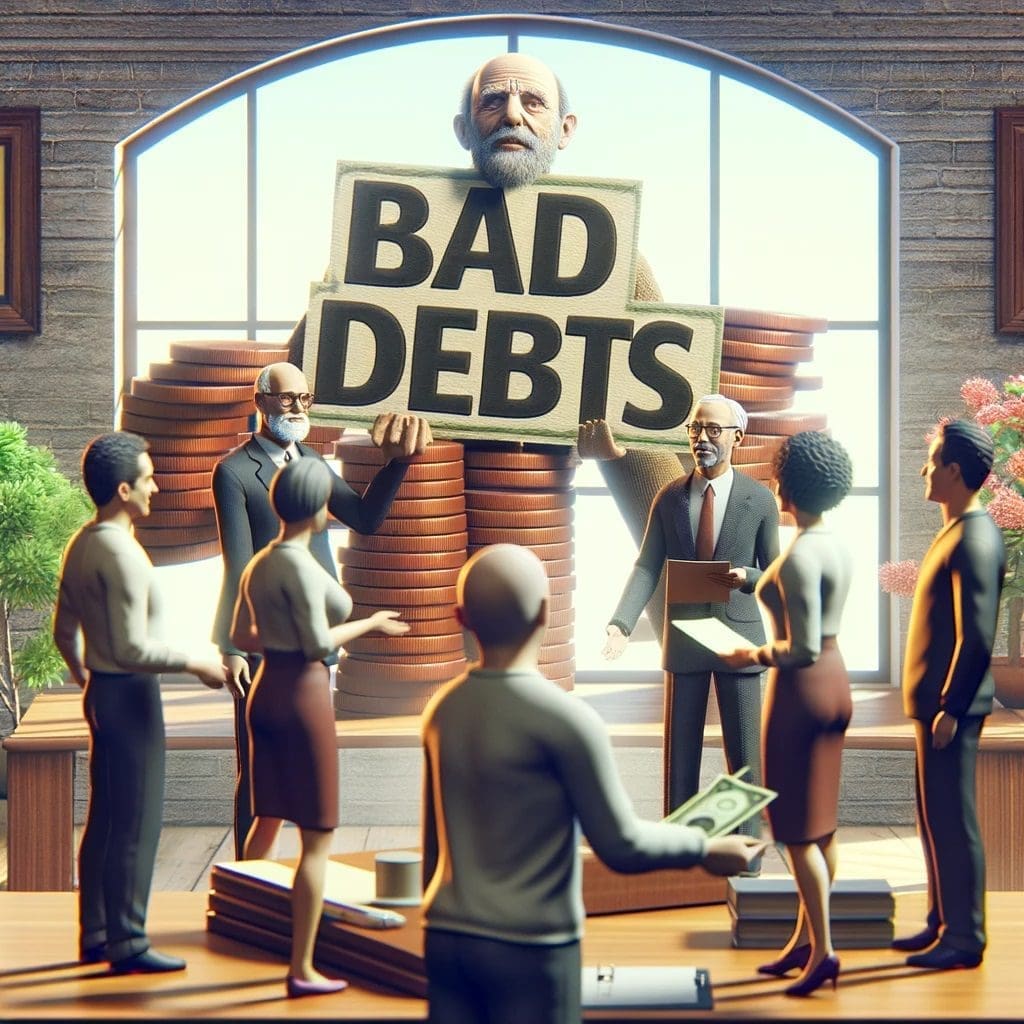
Real-life Interactions with Bad Debts: a Visual Representation

What Happens If Debtors Ignore Court Orders?

If debtors ignore court orders, they can face contempt of court, fines, arrest warrants, and stronger collection actions such as wage garnishment or bank levies. Courts may view noncompliance as willful, escalating penalties and limiting defenses, especially after missed hearings or ignored discovery. This article explains common orders in debt cases, what creditors can request, […]
Read More
Need a Probate Law Attorney? Here's What to Know

Why Do I Need a Probate Attorney Now?

You likely need a probate attorney now because probate can take 6–12+ months and strict deadlines apply. An attorney prepares filings, notifies heirs/creditors, and represents you if disputes arise, reducing delays and costly mistakes. This article explains what probate lawyers do, when to hire one, and what questions to ask. Just lost a loved one […]
Read More
Judicial Sentencing in Action: a Glimpse Inside the Courtroom

How Much Jail Time Can Court Sentences Impose?

Court sentences can impose anything from a few days in a local jail to decades in state or federal prison, and in rare cases life. The maximum depends on the charge, sentencing guidelines, criminal history, and any mandatory minimums. This article explains typical jail-time ranges, how judges calculate sentences, when alternatives like probation apply, and […]
Read More
Inside the Courtroom: a Glimpse into Legal Proceedings

How Lawyers Prepare Clients for Important Hearings

Lawyers typically use a 10-step preparation process to get clients ready for important hearings. It includes reviewing evidence, practicing testimony, explaining courtroom procedure, and planning responses to likely questions. This article covers practical strategies for civil and criminal hearings, from pre-hearing meetings to day-of-court tips. Navigating the complexities of a court hearing can be daunting, […]
Read More
Unlock Bankruptcy's Potential: Key Legal Strategies Unveiled

Can You Challenge Creditors Using Bankruptcy Powers?

Yes—bankruptcy gives you legal tools to challenge creditors, including the automatic stay, claims objections, and avoidance actions that can reduce or eliminate certain debts. These powers can stop collection efforts, force creditors to prove what they’re owed, and unwind improper liens or transfers. This article explains the key bankruptcy powers used to dispute creditor claims, […]
Read More
Navigating the Legalities of Bail: a Police Station Scenario

Why Is the Bailable Process Important for Defendants?

The bailable process matters because it can allow a defendant to secure release from custody before trial instead of remaining jailed. It protects constitutional rights, supports the presumption of innocence, and helps people keep jobs, housing, and access to counsel while their case proceeds. This article explains how bail works, why courts grant or deny […]
Read More
Master Chapter 11 Bankruptcy: Partner with Experts for Success

Why Expert Advice Matters in Chapter 11 Filings

Expert advice matters in Chapter 11 filings because the process has 100+ critical deadlines, disclosures, and negotiations that can make or break reorganization. An experienced Chapter 11 team helps build a feasible plan, manage cash flow and DIP financing, and negotiate with creditors while avoiding costly missteps. This article outlines the key steps for selecting […]
Read More
Choosing the Right Bank Account: Legal Advice for Smart Banking

The Ultimate Guide To Different Types Of Bank Accounts

There are 5 core types of bank accounts: checking, savings, money market, certificates of deposit (CDs), and brokerage/cash management accounts. Each differs in access, interest, fees, and deposit limits, so the “best” choice depends on your spending and saving goals. This article explains how each account works and when to use it. Overwhelmed by the […]
Read More
Scroll to Top