Car and Truck Accident Claims Look Similar at First, but the Legal Stakes Can Be Very Different
Tennessee’s year-end 2025 traffic report recorded 1,045 roadway deaths statewide, including 255 in the Nashville Tennessee Highway Patrol district. Those preliminary figures reflected reports through December 30, rather than a finalized annual total. For people injured in a collision, the first concerns can look similar whether a car or commercial truck was involved. The investigation can become quite different once someone asks who controlled the vehicle and which records exist.
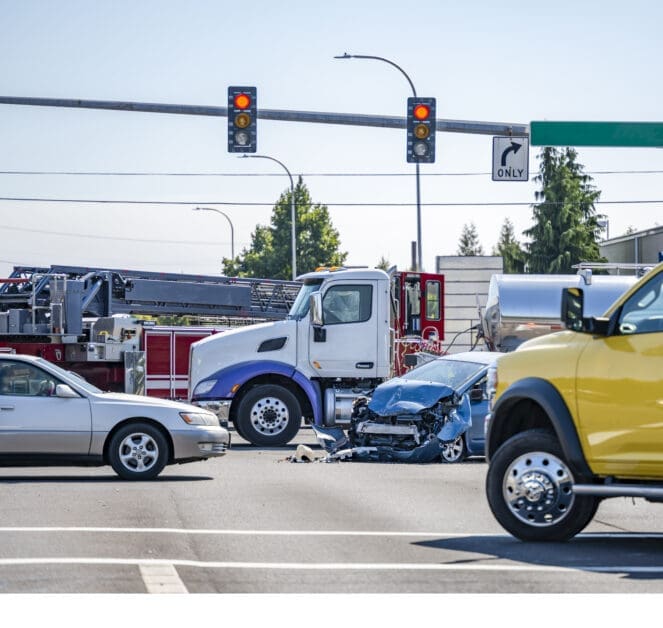
Photographs and a crash report provide a starting point, but they don’t reveal every business relationship behind a truck. Ponce Law Tennessee Car & Truck Accident Injury Attorneys can review the case to determine who controlled the trip and the equipment. A company name on a trailer doesn’t answer those questions on its own.
A car collision can involve an employer when the driver was working. A commercial truck adds the possibility of separate arrangements for the tractor and trailer, along with companies responsible for particular tasks. The investigation needs to establish which arrangements actually existed.
Identify Who Controlled the Truck
Start with vehicle identification and the carrier’s information. Then examine who assigned the trip and who controlled the work. A label such as “independent contractor” doesn’t answer every legal question about responsibility. The documents and the actual relationship both need review.
If the crash report lists only the driver’s information, bring photographs of the truck’s identification numbers to the case review. Keep the original image files with their dates. Distinguish the tractor from the trailer in those images. Their markings can lead to different owners. The investigation can then test which business had responsibility for the activity linked to the collision, instead of treating a familiar logo as the answer.
The discussion of employer responsibility in delivery-truck accidents explains why an investigation can extend beyond the driver. That doesn’t mean every connected business belongs in a lawsuit. There needs to be a factual and legal basis for pursuing each party.
Preserve the Crash Evidence
Tennessee’s year-end 2025 report provides state and district fatality counts. Establishing how an individual collision happened requires a different kind of record. Camera footage and vehicle data can help, while a commercial operation can hold dispatch messages or inspection records.
Preserving evidence deserves early attention because vehicles get repaired and recordings can be overwritten. A lawyer can identify the relevant custodians and take appropriate steps to request preservation. Simply asking the driver for a copy of everything doesn’t establish that the right records have been secured.
Check the Applicable Rules
Where federal motor carrier rules apply, driving-time records can become relevant to a fatigue investigation. Exceptions and operating details need to be checked before anyone assumes a particular rule governed the trip. A record showing a possible violation still needs to be connected to the circumstances of the crash.
Examine the Available Coverage
Commercial insurance can differ from a personal auto policy, but the existence of a truck doesn’t establish the coverage available for a particular collision. The investigation must identify the policies and consider how they apply to the parties and the work being performed.
More than one injured person can be pursuing the same available coverage. Questions about who is insured can also complicate an otherwise straightforward account of the crash. Those issues deserve review before a settlement figure is treated as meaningful.
Document the Injury Losses
Keep treatment records and documentation of missed income. If your recovery affects the work you can perform, describe those limitations accurately to the treating clinician. Future losses require support that goes beyond an early estimate of how long you expect to be away.
A larger vehicle doesn’t guarantee a larger recovery. The claim still needs evidence of responsibility and documented loss. Serious harm in a passenger-car collision can create substantial legal stakes as well, so the comparison should follow the facts of the injury.
Review the Settlement Terms
Separate a vehicle-repair discussion from the resolution of an injury claim. Read what any proposed release actually covers. Resolving a claim before the medical course is understood can leave important questions unanswered, regardless of whether the other vehicle was commercial.
The difference between these cases lies in what the investigation uncovers. A truck collision can require a wider examination of company conduct and operating records. Beginning that work early gives the claim a stronger factual foundation before the parties discuss a final resolution.
Published with permission from Ponce Law Firm – Gallatin, Tennessee