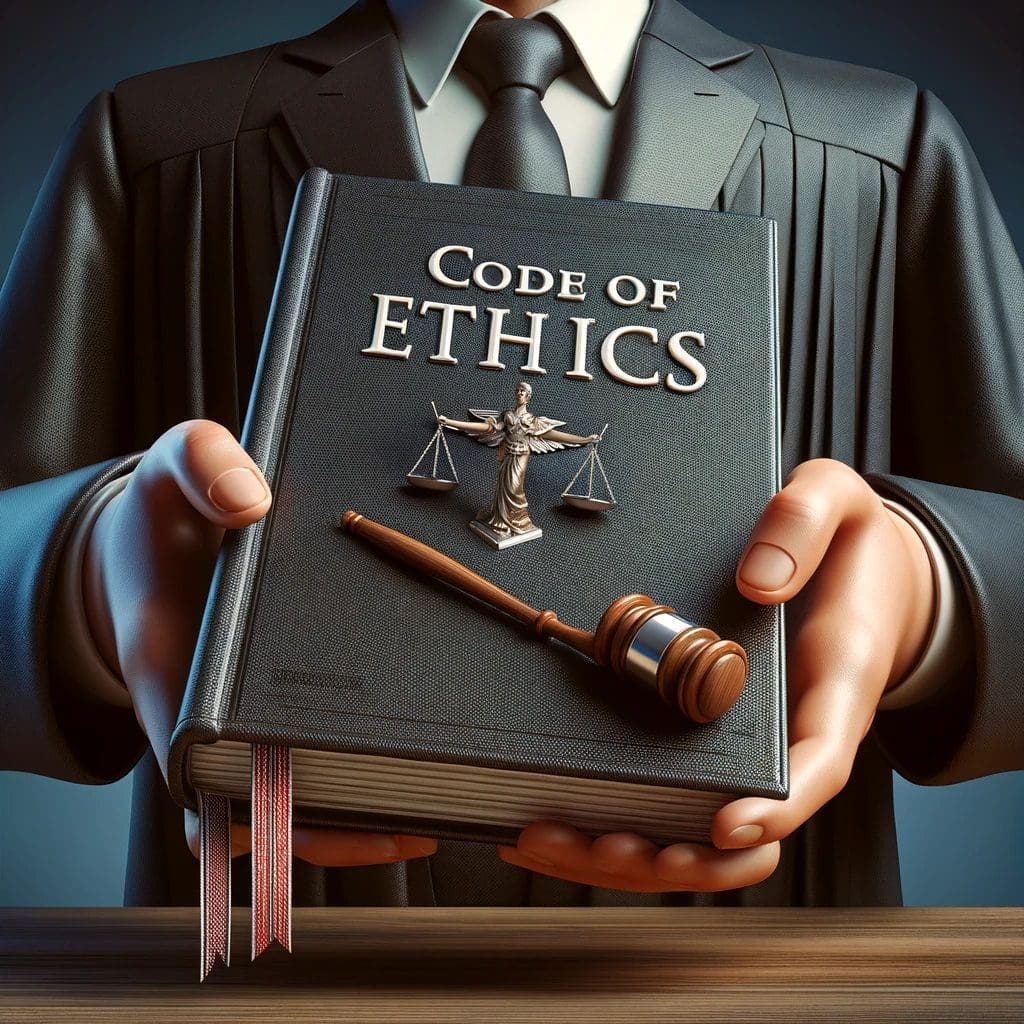
Education Law

Explore a wealth of information on legal issues pertaining to educational institutions, student rights, and compliance with federal and state regulations. Our "Education Law" category features insightful articles, video interviews with experienced attorneys, and comprehensive legal glossary definitions that provide clarity on complex topics such as special education law, Title IX, and disciplinary procedures. Whether you're a student, educator, or legal professional, you'll find valuable resources to navigate the intricate landscape of education law.

28 posts
Disability Rights: Laws, Protections & Equal Access

Disability Rights: Laws, Protections & Equal Access

Disability rights ensure equal opportunities through landmark laws like the ADA, protecting against discrimination in employment, housing, and public services. Constitutional rights during crisis remain intact, safeguarding people with disabilities even in emergencies through federal and state legal frameworks.
Read More
From Pre-Law to Practice: Mapping Your Path to a Legal Career

From Pre-Law to Practice: Mapping Your Path to a Legal Career

Becoming a lawyer typically takes about 7 years after high school (4 years undergrad + 3 years law school), plus bar exam licensing. Your path is clearer when you plan coursework, LSAT timing, practical experience, and jurisdiction requirements early. This article maps each step from pre-law through law school, internships, bar prep, and launching your […]
Read More
The Role of Preparedness in a Legal Career

The Role of Preparedness in a Legal Career

Preparedness is essential in a legal career because most case outcomes are shaped before court through early analysis, research, and planning. It reduces mistakes under pressure and improves strategic decision-making when crises arise. This article explains how lawyers develop preparedness and why it matters in high-stakes moments. What makes someone good in a crisis? Is […]
Read More
Why Is Backberend Important in Legal Studies?

Why Is Backberend Important in Legal Studies?

Backberend is an Anglo-Saxon legal term for a thief caught in the act carrying stolen property, traditionally “on the back.” It matters in legal studies because it illustrates early evidentiary shortcuts and how theft was prosecuted in medieval England. This article traces its historical context, meaning, and modern relevance. The term Backberend holds a unique […]
Read More
How to Choose the Best Legal Studies Program Today

How to Choose the Best Legal Studies Program Today

The best legal studies program is typically an accredited LL.B (or equivalent) that meets your jurisdiction’s bar eligibility requirements. Compare curriculum depth, faculty credentials, experiential clinics, internships, cost, and graduate employment outcomes. This article explains how to evaluate and select the right baccalaureate legal studies path for your goals. A Baccalaureate Degree, often referred to […]
Read More
Are New Ethical Standards Changing Law Enforcement Practices Today?

Are New Ethical Standards Changing Law Enforcement Practices Today?

Yes—since 2020, over 30 states have enacted new police accountability laws that are reshaping training, reporting, and use-of-force policies. Agencies are tightening codes of ethics, expanding body-camera governance, and strengthening oversight to rebuild public trust. This article explains what a code of ethics requires and how it impacts officers, courts, and communities today. The significance […]
Read More
How Can Colleges Prevent and Respond to Sexual Misconduct Now?

How Can Colleges Prevent and Respond to Sexual Misconduct Now?

Colleges can reduce sexual misconduct risk by adopting clear Title IX policies, providing regular training, and ensuring prompt, impartial investigations and supportive measures. With evolving federal rules and heightened scrutiny from students, regulators, and courts, institutions need procedures that protect complainants and respondents while minimizing liability. This article explains prevention strategies, reporting and response protocols, […]
Read More
Are New Policies Changing How Misconduct Is Addressed?

Are New Policies Changing How Misconduct Is Addressed?

Yes—since 2020, 20+ states have expanded harassment and misconduct protections or procedures through new laws and agency rules. These policies commonly mandate clearer reporting channels, tighter investigation timelines, and enhanced training and discipline standards. This article explains what counts as sexual misconduct and how updated rules affect victims, employers, and legal claims. In recent years, […]
Read More
How Can Families Plan for Child Guardianship in Advance?

How Can Families Plan for Child Guardianship in Advance?

Families can plan child guardianship in advance by naming a guardian in a will and signing standby guardianship or temporary custody documents. This reduces delays and helps courts honor your choices if you become incapacitated or die. This article covers godparents vs. legal guardians, required paperwork, and how courts approve guardianship. Child Welfare laws are […]
Read More
How the Term ‘Esquire’ is Used in the United States

How the Term ‘Esquire’ is Used in the United States

In the United States, “Esquire” (often written “Esq.”) is a courtesy title most commonly used after the name of a licensed attorney. It signals professional status in legal correspondence, though it isn’t an academic degree and its use can vary by state bar rules and etiquette. This article explains the term’s history, modern conventions, proper […]
Read More
The Importance of Being Admitted to the Bar for Lawyers

The Importance of Being Admitted to the Bar for Lawyers

In the U.S., you must be admitted to at least one state bar to legally practice law and represent clients. Bar admission is a licensing process that typically includes passing a bar exam and meeting character and fitness standards. This article explains what the “bar” is, why admission is required, and how it affects an […]
Read More
Scroll to Top