Court Procedures
<h4><a href="https://attorneys.media"><img class="aligncenter size-full wp-image-32430" src="http://attorneys.media/wp-content/uploads/2023/12/Court-Procedures.jpg" alt="Inside the Courtroom: Capturing the Essence of Court Procedures" width="1024" height="1024" /></a></h4>
<h4>Navigating the Intricacies of Court Procedures: A Detailed Overview</h4>
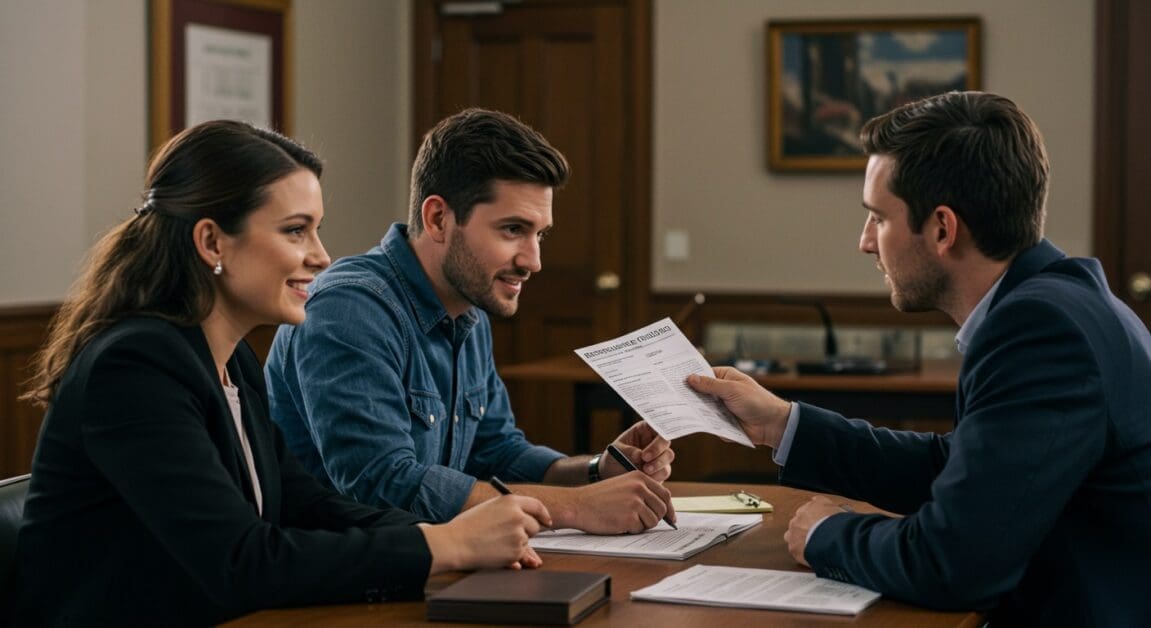
<strong>Court procedures</strong> are the backbone of the legal system, guiding how legal cases are handled from initiation to resolution. Understanding these procedures is crucial for anyone involved in legal matters, be it as a plaintiff, a defendant, or a legal professional.
The first step in any legal proceeding is filing the case, which involves preparing and submitting legal documents to the court. This step sets the stage for the entire process and requires attention to detail to ensure all legal requirements are met.
Once a case is filed, the court will schedule various hearings and proceedings. These may include preliminary hearings, pre-trial conferences, and, if necessary, a trial. Each of these stages has its unique purpose and requirements, from determining the merits of the case to discussing legal strategies.
One of the most critical aspects of court procedures is adhering to courtroom etiquette. This includes proper dress code, respectful behavior towards the judge and court staff, and following courtroom protocol. Understanding and respecting courtroom etiquette can significantly impact the perception of your case.
Preparation for court appearances is also vital. This involves reviewing your case, understanding the relevant laws, and consulting with your attorney. Being well-prepared can help you present your case effectively and respond to legal challenges.
If the case proceeds to trial, understanding the trial process is essential. Trials typically involve opening statements, the presentation of evidence, witness testimonies, cross-examinations, and closing arguments. Each stage requires strategic planning and a deep understanding of legal principles.
After the trial, the judge or jury will deliberate and reach a verdict. Depending on the outcome, there may be additional steps, such as sentencing in criminal cases or awarding damages in civil cases.
Post-trial procedures are also an integral part of court processes. These can include filing appeals, enforcing judgments, or negotiating settlements. Understanding your options after a trial can help you make informed decisions about the next steps in your legal journey.
In conclusion, court procedures are a complex but essential aspect of the legal system. Understanding these procedures, from filing a case to post-trial steps, is crucial for effectively navigating legal challenges. With the right knowledge and preparation, individuals can confidently approach their legal matters.
475 posts