
How to Get a Free Copy of Your Police Report in Every State
You can request a free copy of your police report in all 50 states, but eligibility and methods vary by agency and record type. Most departments offer online, mail, or in-person requests, and fees may be waived for victims, involved parties, or certain reports. This article explains state-by-state options, requirements, and links to request portals.
What Is a Police Report and Why Might You Need One?
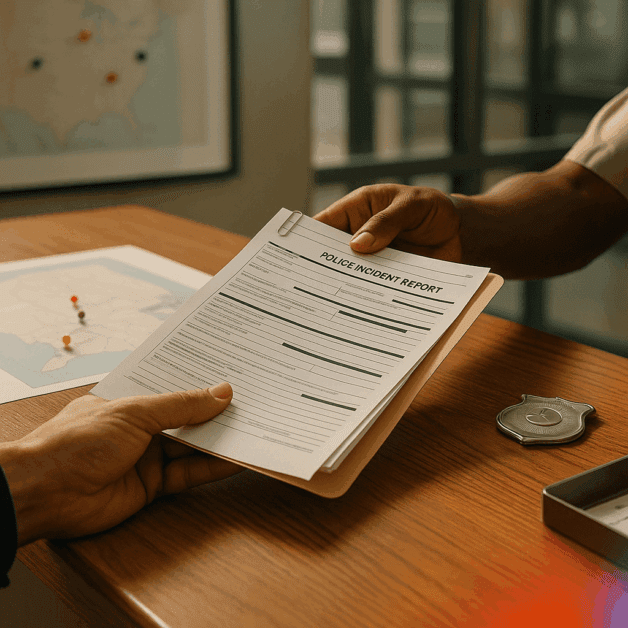
A police report is an official legal document created by law enforcement officers when they respond to an incident. These records can cover everything from car accidents and theft to domestic disputes and criminal activity. Whether you were involved in an accident, had something stolen, or need documentation for an insurance claim or court case, getting a copy of your police report is often a necessary step.
The good news is that in most cases, you have the right to access your own police report — and in many situations, you can get it for free. Public records laws across the United States give citizens broad access to government documents, including many types of police reports. Knowing how to request these records the right way can save you time, money, and frustration.
Understanding Public Records Laws in the United States
Every state in the U.S. has its own version of a public records law. At the federal level, the Freedom of Information Act (FOIA) governs access to federal agency records. At the state level, these laws go by different names — some states call them “Sunshine Laws,” others use terms like “Open Records Acts” or simply “Public Records Laws.”
Under these laws, police reports are generally considered public records, which means anyone can request access to them. However, there are exceptions. Reports that involve:
- Ongoing criminal investigations
- Juvenile offenders
- Sensitive personal information
- Victims of certain crimes (such as sexual assault)
…may be partially or fully withheld. Even so, if you were directly involved in an incident — such as being the victim, witness, or the person who filed the report — you typically have stronger rights to access that document.
Are Police Reports Really Free?
This depends on the state, the agency, and the type of report. In many cases, you can get a basic copy of an accident report or incident report at no cost, especially if you’re the person directly involved. However, some agencies charge a small administrative fee, which can range from a few dollars to around $25.
Here’s a general breakdown:
- Accident reports: Often free or low-cost for the involved parties
- Incident reports: Usually free when requested in person by the involved party
- Criminal investigation records: May have fees for copying or processing
- Online requests: Some third-party platforms charge fees, but going directly to the agency is usually free or cheaper
The key takeaway: always go directly to the law enforcement agency first before using any third-party website. Most agencies will not charge you — or will charge very little — if you request your report in person or through their official website.
How to Request Your Police Report: Step-by-Step
Getting a copy of your police report is usually a straightforward process. Here are the steps most people follow:
- Gather your information: Before making a request, collect the details of the incident — the date, location, names of people involved, and the report number if you have it. Officers typically give you a report number at the scene.
- Identify the right agency: Go to the agency that handled the incident. If city police responded, contact the city police department. If it was a county sheriff, contact the sheriff’s office. For highway incidents, it may be the state highway patrol.
- Choose your request method: Most agencies allow you to request records in person, by mail, or online. In-person requests are often the fastest and least expensive option.
- Submit a formal records request: Some departments require you to fill out a public records request form. Others simply ask for a written request or an online submission.
- Provide valid identification: Bring a government-issued photo ID, especially if you are requesting a report that involves your personal information.
- Wait for processing: Processing times vary. Some agencies provide reports the same day; others may take several days to a few weeks.
How to Get a Free Police Report in Every State
While the exact process differs slightly from state to state, the general approach is the same. Below is a state-by-state guide to help you understand where to go and what to expect.
Alabama
In Alabama, public records are governed by the Alabama Open Records Law. You can request police reports directly from the local police department or sheriff’s office involved. For traffic accident reports, the Alabama Law Enforcement Agency (ALEA) maintains records that may be available online or by mail. Basic requests are generally free, though copying fees may apply.
Alaska
Alaska’s Public Records Act gives residents the right to access police records. Contact the Alaska State Troopers or the local police department that handled your case. Accident reports can also be requested through the Alaska Department of Motor Vehicles. Many basic reports are available at no charge.
Arizona
Arizona follows the Arizona Public Records Law. Most police departments allow online or in-person requests. The Arizona Department of Transportation handles traffic crash reports. Many agencies provide free access to reports for involved parties.
Arkansas
Under the Arkansas Freedom of Information Act, police reports are generally available to the public. Contact the relevant police department or the Arkansas State Police for statewide records. Crash reports can be requested online through the state police website.
California
California’s California Public Records Act (CPRA) provides broad access to government documents. However, California law does restrict access to certain police records, particularly those related to ongoing investigations. For accident reports, contact the California Highway Patrol (CHP) or the local police agency. CHP offers online report requests, and fees are generally minimal.
Colorado
Colorado’s Colorado Open Records Act (CORA) allows public access to police reports. Contact your local agency or the Colorado State Patrol for traffic crash reports. Most departments offer records at no cost or for a small fee.
Connecticut
Connecticut’s Freedom of Information Act covers police records. Contact the local police department or the Connecticut State Police. Traffic accident reports can be obtained through the CT Crash Data Repository online, often at no charge for involved parties.
Delaware
Delaware’s Freedom of Information Act allows access to public police records. Contact the Delaware State Police or your local agency. Accident reports are available through the Delaware State Police website.
Florida
Florida has some of the strongest public records laws in the country, known as the Government-in-the-Sunshine Law. Police reports are generally open to the public. Crash reports are available through the Florida Department of Highway Safety and Motor Vehicles (FLHSMV) online. Basic reports are often free or very low cost.
Georgia
Under Georgia’s Open Records Act, police reports are accessible to the public. Contact the relevant local agency or the Georgia State Patrol. Accident reports are available through the Georgia Electronic Accident Reporting System (GEARS).
Hawaii
Hawaii’s Uniform Information Practices Act governs public records. Contact the Honolulu Police Department or the Hawaii County Police Department for local reports. State records can be requested from the Hawaii Department of the Attorney General.
Idaho
Idaho’s Public Records Law provides access to police reports. Contact your local police department or the Idaho State Police. Traffic crash reports can be requested through the Idaho Transportation Department.
Illinois
Illinois’s Freedom of Information Act covers police reports. Contact the relevant local agency or the Illinois State Police. Crash reports are available online through the Illinois Department of Transportation crash portal.
Indiana
Indiana’s Access to Public Records Act allows access to police records. Contact your local police department or the Indiana State Police. Crash reports are available through the Indiana State Police online records system.
Iowa
Iowa’s Open Records Law governs access to police records. Contact your local police agency or the Iowa Department of Transportation for crash reports. Many agencies provide free access for involved parties.
Kansas
Kansas’s Open Records Act covers police records. Contact the relevant local agency or the Kansas Highway Patrol. Traffic accident reports are available through the KHP’s online records system.
Kentucky
Kentucky’s Open Records Act provides access to police records. Contact your local agency or the Kentucky State Police. Collision reports can be requested online through the Kentucky State Police website.
Louisiana
Louisiana’s Public Records Law covers police reports. Contact the relevant local agency or the Louisiana State Police. Crash reports can be requested through the Louisiana State Police crash records unit.
Maine
Maine’s Freedom of Access Act governs public records. Contact your local police department or the Maine State Police. Accident reports can be requested through the Maine Department of Public Safety.
Maryland
Maryland’s Public Information Act covers police records. Contact the relevant local agency or the Maryland State Police. Crash reports are available through the Maryland Motor Vehicle Administration (MVA).
Massachusetts
Massachusetts’s Public Records Law provides access to police reports. Contact your local police department or the Massachusetts State Police. Accident reports can be requested through the Registry of Motor Vehicles (RMV).
Michigan
Michigan’s Freedom of Information Act covers police records. Contact your local agency or the Michigan State Police. Crash reports are available through the Michigan State Police online crash reporting system.
Minnesota
Minnesota’s Government Data Practices Act governs public records. Contact your local police department or the Minnesota State Patrol. Crash reports are available through the Minnesota Department of Public Safety.
Mississippi
Mississippi’s Public Records Act covers police reports. Contact the relevant local agency or the Mississippi Highway Patrol. Crash reports can be requested through the Mississippi Department of Public Safety.
Missouri
Missouri’s Sunshine Law covers access to police records. Contact your local police department or the Missouri State Highway Patrol. Accident reports are available through the Patrol’s online crash report system.
Montana
Montana’s Right to Know Law governs public records. Contact your local agency or the Montana Highway Patrol. Crash reports are available through the Montana Department of Justice.
Nebraska
Nebraska’s Public Records Statutes cover police reports. Contact the relevant local agency or the Nebraska State Patrol. Crash reports can be requested through the Nebraska Department of Roads or local agency.
Nevada
Nevada’s Public Records Act allows access to police reports. Contact your local police department or the Nevada Highway Patrol. Accident reports can be requested through the Nevada Department of Motor Vehicles.
New Hampshire
New Hampshire’s Right-to-Know Law covers police records. Contact your local police department or the New Hampshire State Police. Crash reports are available through the NH Division of Motor Vehicles or directly from the responding agency.
New Jersey
New Jersey’s Open Public Records Act (OPRA) governs access to police reports. Contact the relevant local agency or the New Jersey State Police. Accident reports can be requested online through the NJ State Police website.
New Mexico
New Mexico’s Inspection of Public Records Act covers police reports. Contact your local police department or the New Mexico State Police. Crash reports can be requested through the NM Department of Transportation.
New York
New York’s Freedom of Information Law (FOIL) provides access to police records. Contact the relevant local police agency or the New York State Police. The NYPD and other large departments have online records portals. Accident reports can also be obtained through the New York DMV.
North Carolina
North Carolina’s Public Records Law covers police reports. Contact your local agency or the NC State Highway Patrol. Crash reports are available through the DMV or the responding agency’s online portal.
North Dakota
North Dakota’s Open Records Law governs public records. Contact your local police department or the North Dakota Highway Patrol. Accident reports can be requested through the Highway Patrol’s website.
Ohio
Ohio’s Public Records Act provides broad access to police records. Contact the relevant local agency or the Ohio State Highway Patrol. Crash reports are available through the Ohio State Highway Patrol’s online crash report system.
Oklahoma
Oklahoma’s Open Records Act covers police reports. Contact your local police department or the Oklahoma Highway Patrol. Crash reports can be requested through the OHP or the Oklahoma Department of Public Safety.
Oregon
Oregon’s Public Records Law governs access to police reports. Contact your local agency or the Oregon State Police. Accident reports can be requested through the Oregon DMV or directly from the agency that handled the report.
Pennsylvania
Pennsylvania’s Right-to-Know Law covers police records. Contact the relevant local agency or the Pennsylvania State Police. Crash reports are available through the Pennsylvania State Police crash reporting system online.
Rhode Island
Rhode Island’s Access to Public Records Act (APRA) governs public records. Contact your local police department or the Rhode Island State Police. Accident reports can be requested through the relevant agency.
South Carolina
South Carolina’s Freedom of Information Act covers police records. Contact the relevant local agency or the South Carolina Highway Patrol. Crash reports can be requested through the SC Department of Public Safety.
South Dakota
South Dakota’s Open Records Law provides access to police reports. Contact your local police department or the South Dakota Highway Patrol. Accident reports can be requested through the Department of Public Safety.
Tennessee
Tennessee’s Public Records Act covers police reports. Contact the relevant local agency or the Tennessee Highway Patrol. Crash reports are available online through the THP crash report request portal.
Texas
Texas’s Public Information Act provides broad access to government records. Contact your local police department or the Texas Department of Public Safety (DPS). Crash reports can be requested through the Texas DPS Crash Report Online Purchase System — involved parties can often get reports at no charge.
Utah
Utah’s Government Records Access and Management Act (GRAMA) governs public records. Contact your local agency or the Utah Highway Patrol. Accident reports are available through the Utah Department of Public Safety.
Vermont
Vermont’s Public Records Act covers police reports. Contact your local police department or the Vermont State Police. Accident reports can be requested through the VSP online records system.
Virginia
Virginia’s Freedom of Information Act (FOIA) provides access to police records. Contact the relevant local agency or the Virginia State Police. Crash reports are available through the VSP crash records department or online portal.
Washington
Washington’s Public Records Act covers police reports. Contact your local police department or the Washington State Patrol. Crash reports can be requested through the WSP online crash reporting system.
West Virginia
West Virginia’s Freedom of Information Act governs access to police records. Contact your local agency or the West Virginia State Police. Accident reports are available through the WVSP records division.
Wisconsin
Wisconsin’s Open Records Law provides broad access to public records. Contact the relevant local agency or the Wisconsin State Patrol. Crash reports are available through the Wisconsin DOT crash data system.
Wyoming
Wyoming’s Public Records Act covers police reports. Contact your local police department or the Wyoming Highway Patrol. Accident reports can be requested through the WHP records office or online portal.
Tips to Make the Process Easier
No matter which state you’re in, these practical tips can help you get your police report faster and with less hassle:
- Write down your report number at the scene. Officers typically provide this when they respond to an incident. It makes locating your report much easier.
- Request the report as soon as possible. The sooner you request it, the faster you can use it for insurance or legal purposes.
- Go directly to the official agency website. Avoid third-party services that charge unnecessary fees for records you can get for free.
- Bring valid ID. Most agencies will ask for identification, especially if the report contains personal details.
- Be specific in your request. Provide as many details as possible — date, location, names involved, and the incident type — to speed up the search process.
- Ask about online access. Many agencies now have online portals that let you request or download your report without visiting in person.
- Follow up if there’s a delay. Most states have legal timelines for responding to public records requests. If you don’t hear back within a few business days, don’t hesitate to follow up.
What If Your Request Is Denied?
Sometimes, agencies deny access to police reports — especially if the report involves an ongoing investigation or sensitive information. If your request is denied, you have options:
- Ask for a written explanation. Agencies are typically required to explain why a request was denied.
- Request a redacted version. Even if some information must be withheld, you may still be entitled to a version of the report with sensitive details blacked out.
- File an appeal. Most states have an appeals process for denied records requests. This can be done through the agency itself, a state attorney general’s office, or a court.
- Contact a lawyer. If you believe you have a legal right to the record, a lawyer familiar with public records law in your state can help you pursue it.
Accident Documentation: Why Timing Matters
When it comes to accident documentation, getting your police report quickly is especially important. Insurance companies, attorneys, and courts all rely on these legal documents to process claims and build cases. Delays in obtaining your report can slow down your insurance settlement or affect your ability to file a lawsuit within the statute of limitations.
Most accident reports are ready within a few days of the incident, though this can vary by jurisdiction. As soon as you feel safe and able after an accident, start the process of requesting your report.
The Bottom Line
Getting a free copy of your police report is a right that most Americans have — and it’s easier than many people realize. By going directly to the right law enforcement agency, knowing what information to bring, and understanding your rights under your state’s public records laws, you can often get your report quickly and at little to no cost.
Whether you need the report for insurance purposes, a legal case, or simply for your own records, don’t wait. Start by identifying which agency handled your incident, visit their official website, and submit your request today.














