
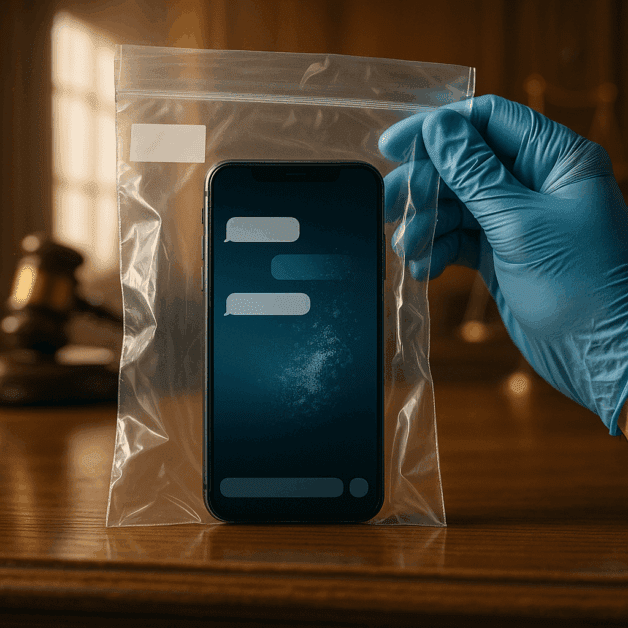
Snapchat’s Disappearing Messages Are Now Evidence — A Court Just Ruled
A court has ruled that Snapchat’s disappearing messages can be used as evidence, even if they were designed to vanish. The decision recognizes that “ephemeral” chats may still be recovered through screenshots, device forensics, or account records and can carry the same legal weight as other digital communications. This article explains what the ruling means, how disappearing messages get preserved, and the practical steps to protect your rights in civil and criminal cases.
When “Disappearing” Doesn’t Really Mean Gone
Most people use Snapchat because messages vanish after they’re read. That’s the whole point. But a recent court ruling has shaken up that assumption in a big way. A judge has decided that Snapchat messages — yes, even the ones that disappear — can be used as legal evidence in court.
This decision is sending ripples through the worlds of law, technology, and everyday communication. If you use messaging apps thinking your conversations are private and temporary, this ruling is something you need to know about.
What the Court Actually Decided
The court ruled that Snapchat messages qualify as discoverable evidence under existing evidence law. “Discovery” is the legal process where both sides of a lawsuit can request information and documents from each other before a trial begins. The ruling means that Snapchat conversations can now be legally demanded as part of that process.
The case centered on whether digital messages that are designed to disappear can still be considered valid evidence. The judge said yes — and the reasoning behind the decision is straightforward. The content of a message matters more than whether the platform was built to erase it.
In simple terms, just because an app deletes something automatically doesn’t mean that information loses its legal value.
How Can Deleted Messages Even Be Used as Evidence?
This is the question most people ask right away. If Snapchat deletes messages, how can they show up in a courtroom?
There are actually several ways this can happen:
- Screenshots: Someone in the conversation may have taken a screenshot before the message disappeared. Snapchat notifies users when this happens, but it doesn’t stop people from doing it.
- Third-party screen recorders: Apps and devices can record screens without triggering Snapchat’s screenshot alert.
- Metadata and server logs: Even when messages are deleted from a user’s device, certain data may still exist on Snapchat’s servers or in network logs.
- Device forensics: Digital forensic experts can sometimes recover deleted data from phones and tablets, depending on how the device stores information.
- Witness testimony: Someone who saw or received the message can describe its contents in court.
Courts have also started placing legal holds on electronic data during active litigation. This means parties involved in a lawsuit may be required to preserve their digital communications, including those on messaging apps like Snapchat.
What Does This Mean for Evidence Law?
Evidence law has been playing catch-up with technology for years. The rules that govern what can and cannot be used in court were written long before smartphones, social media, and disappearing message apps existed.
This ruling is a significant step forward in modernizing how courts handle digital discovery. It signals that judges are no longer willing to let the technical design of an app determine what counts as legitimate evidence.
Legal experts point out that this brings messaging app content in line with how courts already treat emails, text messages, and social media posts. If you send a text, it can be subpoenaed. If you post something on Facebook, it can be presented in court. The same standard is now being applied to platforms like Snapchat.
The Growing Role of Digital Discovery in Litigation
Digital discovery — the process of collecting electronic data for use in legal cases — has become one of the most important parts of modern litigation. Lawyers regularly request emails, documents, browser histories, and now, messages from apps.
The Snapchat ruling adds a new layer to this already complex process. Here’s why it matters in real legal cases:
- Business disputes: Employees or business partners who used Snapchat to communicate about deals, plans, or sensitive decisions could find those conversations pulled into court.
- Family law cases: In divorce or custody proceedings, private messages on any platform can become relevant to showing someone’s behavior or intentions.
- Criminal cases: Law enforcement has long sought data from tech companies. This ruling strengthens the legal framework for including app-based messages in criminal proceedings.
- Workplace harassment claims: Messages sent through personal apps, including Snapchat, could be used to support or defend against workplace misconduct claims.
What Snapchat Says About User Privacy
Snapchat has built its brand around privacy and temporary communication. The platform does delete messages from its servers after they are viewed, in most cases. However, the company also states in its privacy policy that it may retain certain data and comply with legal requests from law enforcement or courts.
This is a crucial point. No matter what an app promises about privacy, companies are legally required to cooperate with valid court orders. Snapchat is no different. If a judge orders the platform to provide data related to a specific user or conversation, the company must respond within the boundaries of the law.
This doesn’t mean Snapchat stores everything. But it does mean that if any data exists, it can potentially be accessed through legal channels.
Should You Be Worried About Your Private Messages?
For the average person using Snapchat to send funny photos or chat with friends, this ruling probably doesn’t change much about daily life. The courts aren’t interested in your weekend plans or silly selfies.
But if you’re involved in a legal dispute — or if you think you might be in the future — it’s worth knowing that your digital behavior leaves traces. The platform you use to communicate does not guarantee legal protection.
Here are a few practical things to keep in mind:
- Don’t assume any digital message is truly private or permanent in a legal sense.
- If you’re facing litigation, talk to a lawyer before deleting any communications, even on apps like Snapchat. Destroying potential evidence can result in serious legal penalties.
- Be thoughtful about what you put in writing, even in places that seem temporary.
What This Means for the Future of Messaging Apps
This ruling raises bigger questions about how messaging apps are designed and marketed. Apps that promise privacy and disappearing messages may now face more scrutiny, both from courts and from users who understand the legal landscape better.
Some legal scholars believe this will push app developers to be more transparent about what data they actually store and for how long. Others think it could lead to a wave of new legal battles over data access and user rights.
For now, the message is clear: the law is catching up with technology, and the era of assuming digital messages are untouchable in court is over.
The Bottom Line
A court has ruled that Snapchat’s disappearing messages can be used as legal evidence. This is a landmark moment for evidence law and digital discovery. It confirms what legal professionals have been saying for years — the format or platform of a communication does not determine its legal relevance. What you say matters, regardless of where you say it.
Whether you’re a business owner, an employee, or just someone who uses messaging apps regularly, understanding this shift in how courts treat digital communication is important. The rules of the game have changed, and knowing them could make a real difference if you ever find yourself involved in litigation.














