Bail Reform

Explore a comprehensive range of resources related to bail reform, including in-depth articles, expert video interviews with attorneys, and informative legal glossary definitions. This section delves into the evolving landscape of bail laws, addressing the implications of reforms on the justice system and individual rights. Stay informed about the latest developments and expert insights that shape the conversation around bail practices and legal accountability.

Crime Control Perspective Legal Guide 2026

Crime Control Perspective – Complete Legal Guide for 2026

The crime control perspective prioritizes public safety by emphasizing fast arrest, efficient case processing, and swift punishment to reduce crime. It assumes most suspects are guilty and favors law enforcement discretion over lengthy procedural safeguards. This guide explains the model’s definition, core features, criticisms, and how it differs from due process. What is the Crime […]

Crime Control Perspective – Complete Legal Guide for 2026 Read More »

Bail reform scales of justice and jail cell

Bail Reform 2026 – Who Actually Gets Out of Jail on Day One

Under Bail Reform 2026, many nonviolent, low-level charges are eligible for release within 24 hours, while serious violent felonies and flight-risk cases are held for a judge. The deciding factors are the charge category, prior failures to appear, and any public-safety risk. This article breaks down day-one release rules, timelines, and what families can do

Bail Reform 2026 – Who Actually Gets Out of Jail on Day One Read More »

Expert Legal Consultation on Bail Clause in Action in Court

How Can Attorneys Challenge Unfair Bail Orders?

Attorneys can challenge unfair bail orders by filing a motion to reduce bail and requesting a prompt bail review hearing—often within 24–72 hours, depending on local rules. They can present evidence on ability to pay, flight risk, and community safety, and argue excessive bail under the Eighth Amendment plus state constitutional and statutory standards. This

How Can Attorneys Challenge Unfair Bail Orders? Read More »

Professional Bail Commissioner Engaging with Clients on Legal Matters

Are Bail Commissioners Involved in All Criminal Cases?

No—bail commissioners are involved mainly in pre-arraignment detention cases where bail must be set or reviewed. Many criminal cases proceed through summons, release on recognizance, or judicial bail decisions without a commissioner. This article explains when commissioners act, how bail is determined, and what affects involvement. In the complex world of legal proceedings, the position

Are Bail Commissioners Involved in All Criminal Cases? Read More »

Behind the Scenes: The Crucial Role of Bail Bonds in Legal Release

Why Should Defendants Use a Bail Bondsman Now?

Defendants can usually secure release by paying a bail bondsman about 10% of the full bail amount instead of the entire sum. This helps families avoid large upfront costs and speeds the jail release process with surety support. This article explains how bail bonds work, key benefits, and what to expect from the bondsman. Navigating

Why Should Defendants Use a Bail Bondsman Now? Read More »

Professional Legal Meeting on Bail in Error and Its Consequences

Bail in Error: How Do You Challenge Incorrect Bail Decisions?

You can challenge an incorrect bail decision by requesting a bail review or appeal in the appropriate court, often on grounds like legal error, new evidence, or changed circumstances. Bail outcomes can be reversed when the original decision misapplied the law or overlooked key facts affecting flight risk or public safety. This article explains who

Bail in Error: How Do You Challenge Incorrect Bail Decisions? Read More »

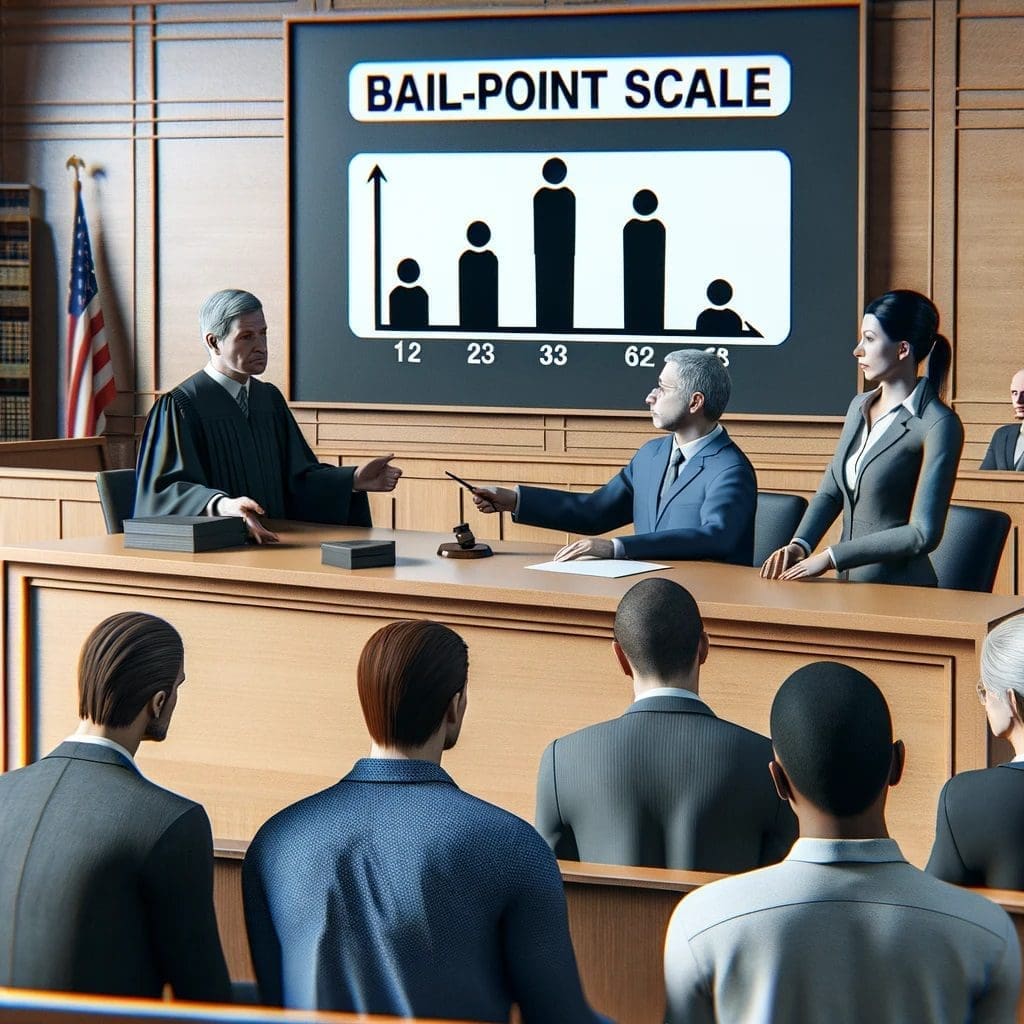
Judicial Discussion of the Bail-Point Scale in Action

Can You Challenge Your Bail-Point Score?

Yes—if your bail-point score was calculated using incorrect or outdated information, you can ask the court to review and correct it, and a judge may adjust release conditions. Bail-point systems rely on arrest details, prior history, and risk factors, so even small errors can raise a score and lead to higher bail or detention. This

Can You Challenge Your Bail-Point Score? Read More »

Legal Experts Deliberating Over Bail Schedule in Court

Can You Afford Bail Under Current Schedule Rules?

Most people can’t afford bail under today’s schedule-based rules, where standard amounts are set by charge and often run from hundreds to tens of thousands of dollars. Because schedules rarely reflect a person’s actual income, even low-level arrests can mean paying a large sum up front or staying in jail. This article explains how bail

Can You Afford Bail Under Current Schedule Rules? Read More »

Know Your Rights: A Community's Journey Towards Legal Empowerment

Navigating the Arrest Process: Protecting Your Rights & Legal Advice

The arrest process typically has 5 stages: stop/detention, arrest, booking, first appearance, and bail. Your key protections include the right to remain silent and the right to counsel, which you should invoke immediately. This article explains what happens at each stage and how to protect your rights throughout. Navigating the legal system can be daunting,

Navigating the Arrest Process: Protecting Your Rights & Legal Advice Read More »

Unusual Punishment and the Constitution

Cruel and Unusual Punishment: Constitutional Protections

The Eighth Amendment prohibits “cruel and unusual punishments,” limiting punishments that are excessive or inhumane. Courts apply evolving standards of decency to evaluate sentences, prison conditions, and methods of execution. This article explains the doctrine’s history and modern tests and how it affects criminal cases today. The Eighth Amendment to the United States Constitution prohibits

Cruel and Unusual Punishment: Constitutional Protections Read More »

Scroll to Top