Criminal Law

Explore a comprehensive range of content focusing on criminal law, including video interviews with experienced criminal defense attorneys, in-depth articles on criminal charges, and informative resources about the criminal justice process. Visitors will gain insights into various legal terms, such as felonies, misdemeanors, and rights of the accused, enhancing their understanding of criminal legal proceedings. This section is designed to provide foundational knowledge for those seeking information on how the criminal court system operates.

Dining Disappointment: Experiencing Poor Service in a Busy Restaurant

Can You Avoid Bad Debt Expense With Strong Policies?

Yes—strong credit and collections policies can cut bad debt expense by 20–40% for many businesses by reducing overdue accounts and speeding payment. Clear terms, upfront screening, written agreements, and prompt follow-up make nonpayment easier to prevent and enforce. This article explains policy best practices and when legal remedies like demand letters or litigation apply. In […]

Can You Avoid Bad Debt Expense With Strong Policies? Read More »

Inside a Criminal Defense Meeting: Navigating Your Legal Journey

Can You Get the Best Defense Attorney Locally?

Yes—many defendants can secure a top-tier defense attorney locally, often within the same county court system where their case will be prosecuted. Local lawyers may offer an edge through familiarity with judges, prosecutors, and procedural norms, but “best” depends on proven results, relevant case experience, resources, and fit. This article explains how to evaluate local

Can You Get the Best Defense Attorney Locally? Read More »

The Impact of Bad Faith in Legal Practice

Understanding Bad Faith: Its Role in Civil and Criminal Law

Bad faith is the intentional dishonesty or unfair dealing that can trigger civil liability and, in some cases, criminal charges. Courts look for evidence of intent—such as deception, concealment, or willful disregard of legal duties—when deciding remedies or penalties. This article explains how bad faith is defined, where it arises in civil and criminal law,

Understanding Bad Faith: Its Role in Civil and Criminal Law Read More »

Expert Legal Team Discussing Strategy in Courtroom Setting

Mastering Court Procedures: A Comprehensive Guide to Navigating Legal Systems

Navigating court procedures means following a structured sequence of filings, deadlines, hearings, and evidence rules that govern how a case moves from start to finish. Missing a required step—such as proper service of process or a key deadline—can delay your case or lead to dismissal. This guide explains the court process from filing and service

Mastering Court Procedures: A Comprehensive Guide to Navigating Legal Systems Read More »

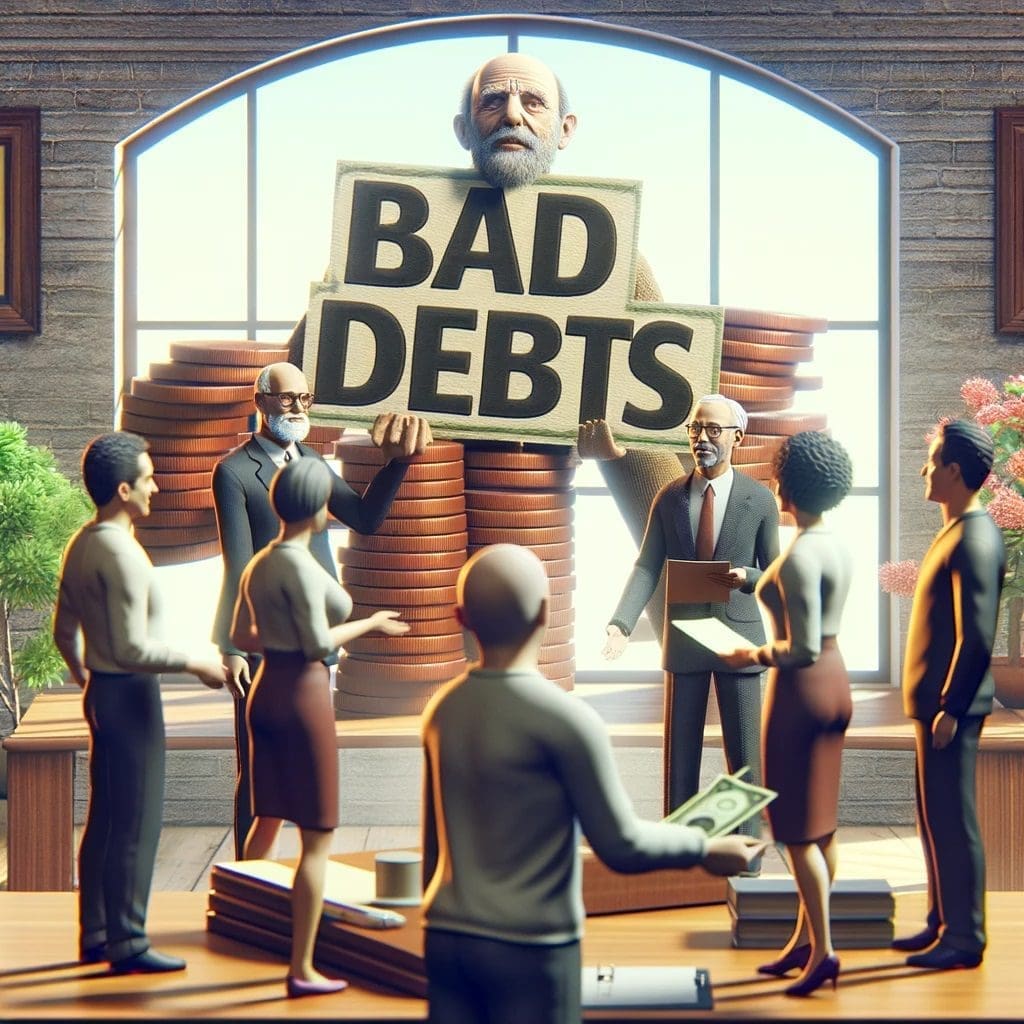
Real-Life Interactions with Bad Debts: A Visual Representation

What Happens If Debtors Ignore Court Orders?

If debtors ignore court orders, they can face contempt of court, fines, arrest warrants, and stronger collection actions such as wage garnishment or bank levies. Courts may view noncompliance as willful, escalating penalties and limiting defenses, especially after missed hearings or ignored discovery. This article explains common orders in debt cases, what creditors can request,

What Happens If Debtors Ignore Court Orders? Read More »

Real-Life Interaction on Bail Jumping in a Police Setting

Can Bail Jumping Lead to Additional Jail Time?

Yes—bail jumping can lead to additional jail time and new criminal charges, on top of any sentence for the original case. Courts treat missed court dates or violations of release conditions as separate offenses and may also revoke bail, issue a warrant, and raise future bond amounts. This article explains what legally counts as bail

Can Bail Jumping Lead to Additional Jail Time? Read More »

In-Depth Analysis of Booby Traps by Legal Professionals

What Should Property Owners Know About Booby Trap Laws?

In most states, setting a booby trap can trigger both criminal charges and civil liability, even if it injures a trespasser. Courts generally reject “defense of property” when deadly or concealed devices are used, and owners may owe duties under premises liability. This article explains legal definitions, key exceptions, and practical steps to reduce risk.

What Should Property Owners Know About Booby Trap Laws? Read More »

Bridging Legal Knowledge: Attorneys.Media's Expert Legal Services

What Legal Insights Do Expert Attorneys Provide Through Media?

Expert attorneys provide 3 core legal insights through media: practical guidance, rights-and-risk explanations, and case-law context. On Attorneys.Media, attorneys use video and articles to translate complex legal concepts into clear, actionable information for consumers and businesses. This article explains what to expect from attorney-led media content and how it supports informed decisions. In today’s fast-paced

What Legal Insights Do Expert Attorneys Provide Through Media? Read More »

Attorneys Discussing Blood Alcohol Content Implications in Legal Proceedings

How Can You Challenge a High BAC Test?

You can challenge a high BAC test by attacking accuracy factors like calibration records, maintenance logs, chain of custody, and timing—especially around the 0.08% legal limit. Errors in collection, storage, or analysis (or a “rising BAC” after driving) can inflate results. This article explains key BAC rules, common test flaws, and defense strategies used in

How Can You Challenge a High BAC Test? Read More »

A Glimpse Beyond the Threshold: The Quiet Reality of Breaking and Entering

Can You Be Charged With B&E Without Actually Breaking?

Yes—many jurisdictions allow breaking and entering (B&E) charges even if no door or window is physically broken, so long as you entered (or tried to enter) a building unlawfully, often with criminal intent. “Breaking” can include minimal force like opening an unlocked door, raising a window, or pushing past a barrier. This article explains how

Can You Be Charged With B&E Without Actually Breaking? Read More »

Scroll to Top