digital privacy

Explore a comprehensive array of resources on the evolving landscape of privacy rights and data protection laws. Visitors will find detailed articles, expert video interviews with attorneys, and the latest updates on regulations like GDPR and CCPA, all designed to deepen understanding of how digital privacy is addressed in the legal realm. This section provides valuable insights for anyone seeking to navigate the complexities of online data security and personal information management within the U.S. legal framework.

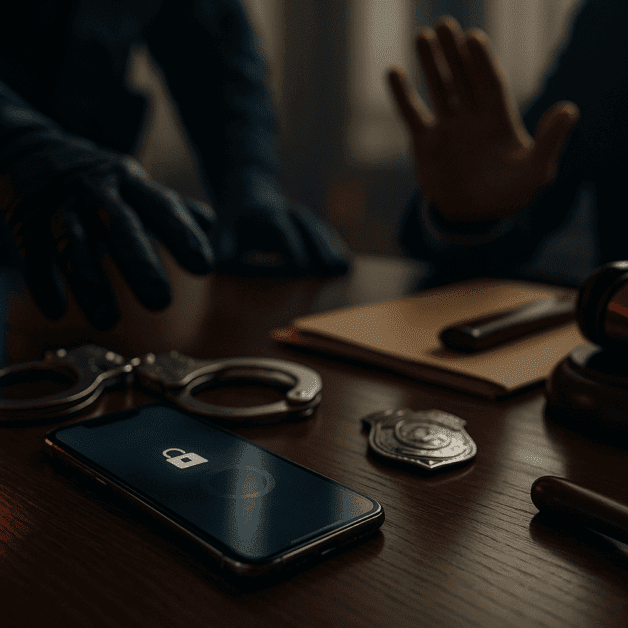
Police officer holding smartphone at traffic stop

Can Police Search Your Phone Without a Warrant? 2026’s New Answers

In most cases, police need a warrant to search the contents of your phone in 2026, with consent and a few narrow exceptions. Officers may seize a phone temporarily, but searching messages, photos, or apps generally requires judge approval under Fourth Amendment rules. This article explains the latest standards, common exceptions, and steps to protect […]

Can Police Search Your Phone Without a Warrant? 2026’s New Answers Read More »

Person typing on laptop with wedding ring visible

Why Typing Into ChatGPT About Your Marriage Can End Up in Your Divorce File

What you type into ChatGPT about your marriage can be requested and used as divorce evidence if it’s saved, shared, or tied to your account. Courts can compel production of relevant communications, and AI chats may reveal admissions, timelines, or intent. This article explains the risks, when chats become discoverable, and safer ways to seek

Why Typing Into ChatGPT About Your Marriage Can End Up in Your Divorce File Read More »

Terms of service agreement document with checkboxes

What is a terms of service agreement?

A terms of service agreement is a legally binding contract that sets the rules, rights, and responsibilities for using a website, app, or online service. It helps limit liability, protect intellectual property, and outline acceptable use, payments, and dispute resolution. This article explains what a terms of service includes, why businesses need one, and how

What is a terms of service agreement? Read More »

Person peering through window blinds at others

What is invasion of privacy?

Invasion of privacy is a legal violation that generally falls into 4 categories: intrusion, public disclosure of private facts, false light, and appropriation of name/likeness. It occurs when someone unlawfully intrudes on your seclusion, publicizes private information, or exploits your identity without consent. This article explains each type, common examples, and legal options for victims.

What is invasion of privacy? Read More »

Legal and Tech Professionals Discussing Backdoor Security Concerns

How to Secure Systems Against Backdoor Risks

To secure systems against backdoor risks, use a zero-trust model and enforce MFA, code signing, and least-privilege access across 100% of admin accounts. Regularly audit software supply chains, patch quickly, and monitor logs to detect hidden access paths. This article explains what backdoors are, how they impact privacy and security, and the legal debates surrounding

How to Secure Systems Against Backdoor Risks Read More »

Navigating Privacy Rights in the Digital Age

How Are Legal Rights Defined in the Age of Digital Privacy?

In the U.S., legal rights to digital privacy are defined through 50 state privacy laws plus federal sector rules and evolving court decisions. These frameworks govern consent, data collection, sharing, breach duties, and limits on government and private surveillance. This article explains the key statutes, constitutional principles, and practical steps for protecting digital privacy rights.

How Are Legal Rights Defined in the Age of Digital Privacy? Read More »

Trends in Cyber Law Compliance

What are the current trends in Cybersecurity Law that organizations must follow?

Key cybersecurity law trends now include mandatory breach reporting in as little as 72 hours, expanded privacy rights, and stronger third‑party/vendor security obligations. Regulators are also pushing risk-based security programs, ransomware disclosure, and emerging AI governance requirements. This article explains the major U.S. and global rules, enforcement patterns, and practical compliance steps. In today’s rapidly

What are the current trends in Cybersecurity Law that organizations must follow? Read More »

Understanding the Right to Privacy: Legal Protections and Implications

Understanding the Right to Privacy: Key Legal Aspects and Protections

The right to privacy is legally protected through constitutional principles, statutes, and court decisions that limit how governments and private parties collect, use, and disclose personal information. In the U.S., these protections vary by context—such as medical records, communications, workplaces, and online data—and by jurisdiction. This article explains the core legal sources of privacy rights,

Understanding the Right to Privacy: Key Legal Aspects and Protections Read More »

Scroll to Top