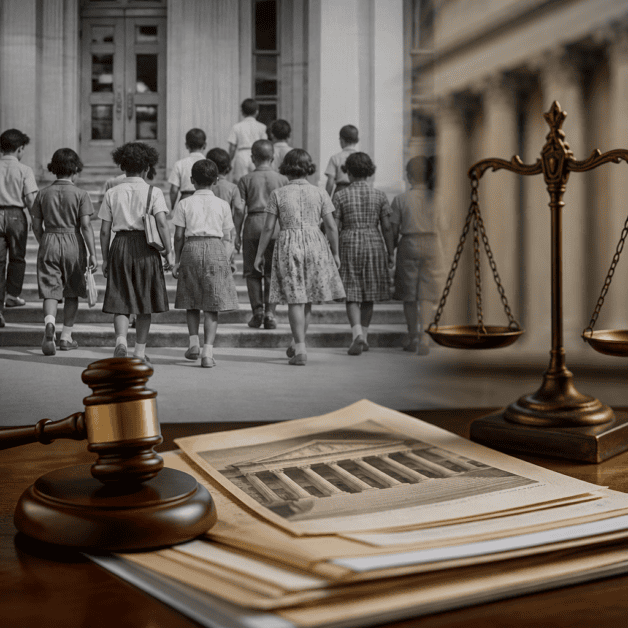
Equal Protection Clause

Explore comprehensive content about the constitutional principle ensuring individuals receive equal treatment under the law, a fundamental aspect in U.S. civil rights cases. Visitors will find insightful articles, expert video interviews, and legal glossary definitions that elucidate this clause’s impact on anti-discrimination laws and judicial interpretations. Discover resources tailored for a deeper understanding of how this pivotal legal doctrine influences both landmark and contemporary court cases.

Deciphering Legal Histories: An Insightful Journey through Case Law

How Do Precedents Shape Legal Decisions Now?

Legal precedents shape legal decisions now by requiring courts to follow binding higher-court rulings while treating similar past cases as persuasive authority. This reliance on case law promotes consistent outcomes, narrows judicial discretion, and helps lawyers predict results. This article explains how precedent works, when it can be distinguished or overruled, and its impact on […]

How Do Precedents Shape Legal Decisions Now? Read More »

Understanding How Due Process Connects with Equal Protection Laws

The Relationship Between Due Process and Equal Protection

Due process and equal protection are distinct but intertwined constitutional guarantees under the Fourteenth Amendment, and courts often analyze them together when government action affects individual rights. Due process focuses on fair procedures and, in some cases, substantive rights, while equal protection targets unjustified discrimination among similarly situated people. This article explains their relationship, key

The Relationship Between Due Process and Equal Protection Read More »

How Constitutional Amendments Safeguard Legal Due Process Rights

How the 5th and 14th Amendments Protect Due Process Rights

The 5th and 14th Amendments guarantee due process, requiring the government to follow fair procedures before taking a person’s life, liberty, or property. The 5th limits federal action, while the 14th applies due process protections to state and local governments through the Fourteenth Amendment’s Due Process Clause. This article explains procedural vs. substantive due process,

How the 5th and 14th Amendments Protect Due Process Rights Read More »

Professional Legal Guidance in Action

How to Protect Your Legal Rights in Critical Situations

Protect your legal rights in a crisis by invoking your right to remain silent, requesting an attorney, and documenting what happened as soon as it’s safe. These steps can prevent self-incrimination, preserve evidence, and reduce costly misunderstandings with police, employers, landlords, insurers, or medical providers. This article explains what to say and do in critical

How to Protect Your Legal Rights in Critical Situations Read More »

Scroll to Top