Legal Representation

Explore comprehensive resources and expert video interviews that delve into the nuances of securing professional legal support across various practice areas. Discover insightful articles and glossary definitions that clarify the roles and responsibilities of attorneys in different legal contexts, helping users better understand the importance of qualified legal counsel. Whether you’re seeking information about criminal defense, family law, or personal injury, this section offers valuable insights without offering legal advice.

Strategic Defense in Action: Attorney Presenting CCTV Evidence

How to Build a Strong Armed Robbery Defense Strategy?

A strong armed robbery defense strategy typically focuses on 3 key points: identity, intent, and whether a weapon was used. Defense counsel may challenge eyewitness reliability, suppress unlawfully obtained evidence, and dispute weapon enhancements to reduce charges. This article explains armed robbery definitions, common defenses, and how attorneys build a case. Understanding Armed Robbery and […]

How to Build a Strong Armed Robbery Defense Strategy? Read More »

Unlocking the Power of Professional Legal Advice: Expert Insights

The Importance and Nuances of Seeking Professional Legal Advice

Professional legal advice can prevent costly mistakes, protect your rights, and improve outcomes by ensuring your decisions comply with the law and your specific facts. Because legal rules vary by jurisdiction and small details can change liability, deadlines, or available remedies, generic information often isn’t enough. This article explains when to consult a lawyer, how

The Importance and Nuances of Seeking Professional Legal Advice Read More »

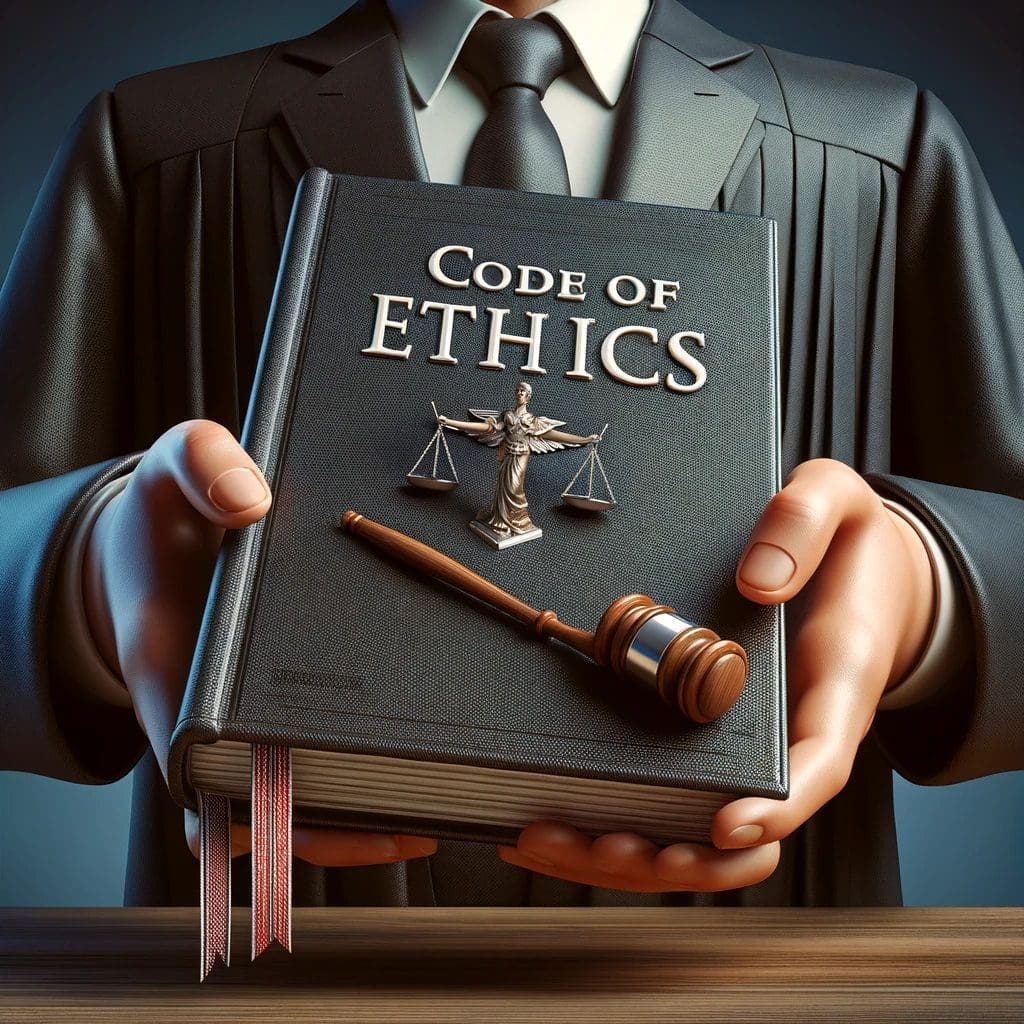
Ethical Practices in Criminal Justice: A Conceptual Illustration

Are New Ethical Standards Changing Law Enforcement Practices Today?

Yes—since 2020, over 30 states have enacted new police accountability laws that are reshaping training, reporting, and use-of-force policies. Agencies are tightening codes of ethics, expanding body-camera governance, and strengthening oversight to rebuild public trust. This article explains what a code of ethics requires and how it impacts officers, courts, and communities today. The significance

Are New Ethical Standards Changing Law Enforcement Practices Today? Read More »

Inside the Courtroom: Legal Experts Navigate a Complex Trial

Are Court Trials Better Than Jury Trials for My Case?

Court trials aren’t inherently better than jury trials—your best option depends on your case type, the key legal issues, and how persuasive your evidence and witnesses will be to a judge versus a jury. Bench trials can be faster and more predictable, while jury trials may favor cases driven by credibility, emotion, and community standards.

Are Court Trials Better Than Jury Trials for My Case? Read More »

Affordable Legal Advocacy: Navigating Personal Injury Claims with Experts

What Are the Best Low-Cost Personal Injury Attorneys Near Me?

Most low-cost personal injury attorneys near you charge 0% upfront and take 25%–40% only if they win your case. You can reduce costs by prioritizing firms offering free consultations, clear fee agreements, and strong local results in similar injury claims. This article explains how to find, vet, and hire an affordable personal injury lawyer in

What Are the Best Low-Cost Personal Injury Attorneys Near Me? Read More »

Affordable Personal Injury Lawyers: Your Path to Fair Compensation

Are Affordable Injury Lawyers as Good as Expensive Firms?

Yes—affordable injury lawyers can be as good as expensive firms, and most charge the same 33–40% contingency fee. Quality depends on trial experience, case resources, and track record, not hourly rate or brand name. This article explains how to compare fees, credentials, and results to pick the right lawyer for your claim. Affordable Personal Injury

Are Affordable Injury Lawyers as Good as Expensive Firms? Read More »

Discover the Strength of Legal Representation: Your Essential Guide

Unlocking the Power of Legal Representation – Your Ultimate Guide

Legal representation can significantly improve your chances of a favorable outcome by protecting your rights, meeting deadlines, and negotiating from a position of strength. Whether you’re facing a lawsuit, criminal charge, contract dispute, or family matter, an attorney brings legal strategy, procedural know‑how, and advocacy that self-representation often lacks. This guide explains what lawyers do,

Unlocking the Power of Legal Representation – Your Ultimate Guide Read More »

Unlocking Legal Success: Your Ultimate Guide to Finding a Civil Litigation Attorney Near Me

Are Consultation Appointments Available Locally Now?

Yes—consultation appointments are available locally now, with many civil litigation attorneys offering same-day or next-business-day slots. Availability varies by city and case type, and many firms also provide phone or video consults for faster scheduling. This article explains why hiring a nearby civil litigation attorney matters and what to expect in common civil disputes. When

Are Consultation Appointments Available Locally Now? Read More »

Depicting the Collaborative Essence of Case Management Conferences

Why Are Case Management Conferences Important in Litigation?

A case management conference is important because it sets a court-approved schedule with firm deadlines for discovery, motions, and trial. It also helps narrow disputed issues, encourages settlement discussions, and prevents unnecessary delay. This article explains what happens at a CMC and how it affects civil and criminal litigation strategy. The Case Management Conference (CMC),

Why Are Case Management Conferences Important in Litigation? Read More »

Know Your Rights: A Comprehensive Guide to Due Process Protections

Who Can Challenge Due Process Violations in Court?

Any person or entity whose life, liberty, or property is affected by government action can challenge a due process violation in court. This typically includes criminal defendants, civil litigants, and parties subjected to administrative actions who were denied proper notice or a fair hearing. This article explains standing, key due process rights, and how these

Who Can Challenge Due Process Violations in Court? Read More »

Scroll to Top