Trademark Infringement

Explore comprehensive insights into the legal complexities surrounding the unauthorized use of trademarks, featuring detailed articles and expert attorney interviews. Here, visitors will find resources discussing the definition, examples, and potential legal consequences of trademark infringement, ensuring a deep understanding of this critical intellectual property issue. Stay informed with content that covers the nuances of protecting brand identity and navigating trademark disputes.

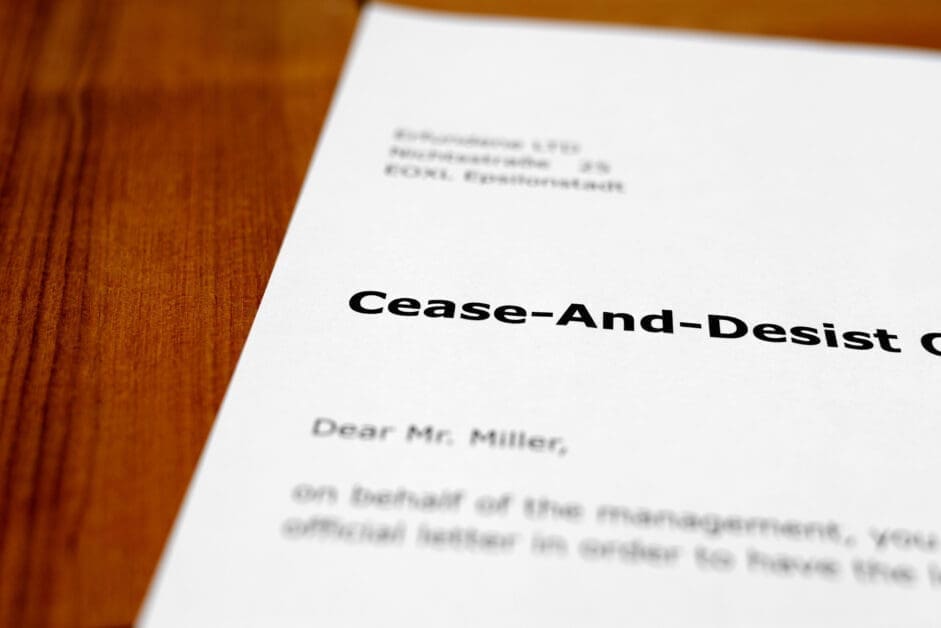
Close-up of a cease-and-desist letter on a wooden desk at an angle.

Cease and Desist Letters: When to Send One, What to Include, and When to Wait

A cease and desist letter is a formal written demand to stop specific conduct and preserve your rights, but it is not a court order. It works best when it clearly states the facts, legal basis, demanded actions, and a firm deadline. This article explains when to send one, what to include, and when waiting […]

Cease and Desist Letters: When to Send One, What to Include, and When to Wait Read More »

Google-like company case explained visually

The Google Like Company Case Explained in Under 3 Minutes

The “Google Like Company” case centers on whether a company can use “Google-like” branding or marketing without infringing Google’s trademark rights. It highlights how courts evaluate likelihood of confusion, dilution, and the limits of descriptive comparisons when a famous mark is involved. This article breaks down the key facts, legal claims, court reasoning, and practical

The Google Like Company Case Explained in Under 3 Minutes Read More »

UDRP domain name dispute process overview

Domain Name Disputes – The UDRP Process That Takes 60 Days and $1,500

A UDRP domain name dispute typically takes about 60 days and starts around $1,500 in filing fees. It’s designed to recover domains registered in bad faith (cybersquatting) without going to court, if you prove trademark rights and lack of legitimate interest. This article explains the UDRP elements, process timeline, evidence, and outcomes. What Is a

Domain Name Disputes – The UDRP Process That Takes 60 Days and $1,500 Read More »

Cease-and-desist letter on a desk with pen

The Cease-and-Desist Letter – Template, Tone, and What Actually Makes One Work

A cease-and-desist letter is a written demand that someone stop a specific harmful or rights-violating activity, but it is not a court order and has no automatic legal force. It often resolves disputes without litigation when it clearly states the conduct, legal basis, deadline, and consequences. This article covers templates, tone strategy, and the elements

The Cease-and-Desist Letter – Template, Tone, and What Actually Makes One Work Read More »

Podcast trademark search concept illustration

Your Podcast Name Might Be Trademarked by Someone Else — Here’s How to Check

You can check if a podcast name is trademarked in minutes by searching the USPTO’s TESS database for identical and confusingly similar marks. A clearance search helps avoid infringement claims, takedowns, and costly rebrands before you publish. This article explains how to search, what results mean, and when to consult a trademark attorney. Why Your

Your Podcast Name Might Be Trademarked by Someone Else — Here’s How to Check Read More »

Amazon trademark bully blocking competitor listings

The Trademark Bullies Using AI to Flag Every Competitor Listing on Amazon

On Amazon, AI-driven brand protection tools can generate dozens of trademark complaints per week against competitor listings, leading to rapid delistings. This tactic weaponizes takedown systems to suppress legitimate sellers, creating legal exposure for false claims and unfair competition. This article explains how it works, warning signs, and practical legal responses for targeted brands. When

The Trademark Bullies Using AI to Flag Every Competitor Listing on Amazon Read More »

Stressed business owner reviewing trademark legal documents

The Small Business Trademark Mistakes That Cost $40,000 to Fix

Small business trademark mistakes can cost $40,000 or more to correct once you’re forced to rebrand or fight an infringement dispute. The biggest expenses typically come from late filings, choosing a confusingly similar name, and discovering conflicts only after you’ve invested in packaging, domains, and marketing. This article explains the most common trademark pitfalls, real-world

The Small Business Trademark Mistakes That Cost $40,000 to Fix Read More »

Trademark infringement concept with legal symbols

What is trademark infringement?

Trademark infringement is the unauthorized use of a trademark that is identical or confusingly similar to a registered mark, creating a likelihood of consumer confusion. It can divert sales, damage goodwill, and expose the infringer to legal claims and remedies. This article explains what counts as infringement, common examples, and the key legal factors courts

What is trademark infringement? Read More »

Trademark Disputes and the Legal Balance of Harms

Can Irreparable Harm Stop Trademark Infringement Now?

Balance of Harms in Trademark Law: Striking the Right Legal Balance Trademark law is a complex field with its fair share of disputes and challenges. One crucial principle that often comes into play in trademark disputes is the “Balance of Harms.” In this article, we will explore the concept of Balance of Harms in trademark

Can Irreparable Harm Stop Trademark Infringement Now? Read More »

Professionals Over 25 in Legal Discussion

What Are Bad Faith Trademark Applications Today?

In the world of intellectual property and trademark law, the concept of “Bad Faith Trademarks” looms large. Trademarks are crucial for protecting the identities of businesses and individuals, and bad faith practices can undermine the integrity of this vital legal framework. The Basics of Trademarks Trademarks serve as a form of legal protection for unique

What Are Bad Faith Trademark Applications Today? Read More »

Scroll to Top