
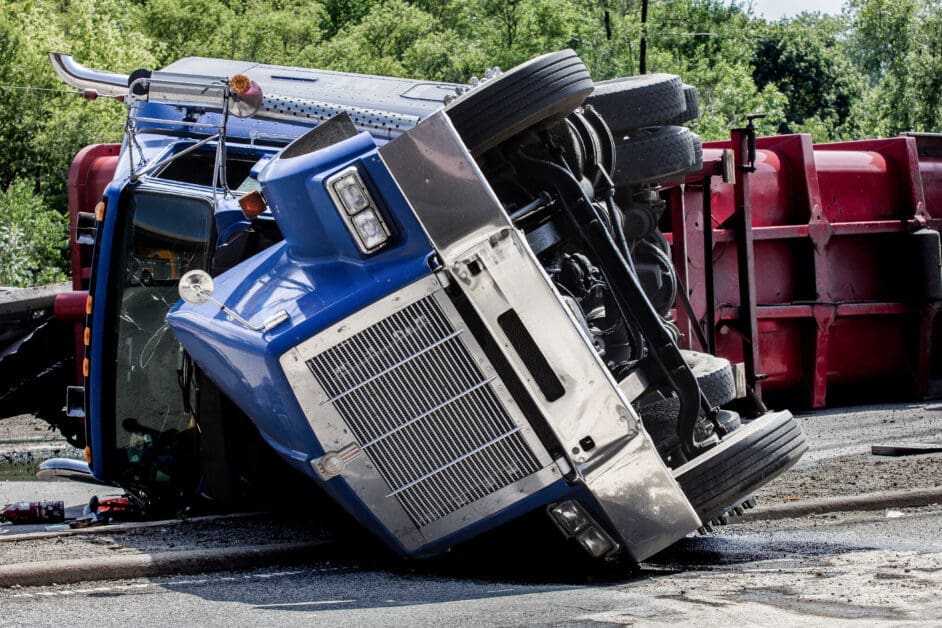
The Dangers of Improperly Maintained Trailer Connections
Improperly maintained trailer connections can turn a routine tow into a crash in seconds, especially when coupling, electrical, or air-brake lines fail. These defects can lead to trailer separation, brake loss, jackknifes, and serious injury with major liability exposure for carriers and maintenance providers. This article explains common connection failures, warning signs, and who may be responsible after an accident.
Any time that a vehicle is towing a trailer, there is a possibility of dangerous connection issues between the two moving objects. This is especially true with trucks because there are many things that can go wrong between the tractor and the trailer. Problems can occur with the air-brake, mechanical or electrical-coupling systems, and, as any truck accident lawyer can tell you, there are serious safety and liability risks when anything goes wrong.
The wear and tear of the road can cause small problems to become big ones. Additionally, even minor connection issues can put a strain on the engine. The good news is that doing inspections on a regular basis can go a long way towards safety and prevention. It will also improve gas mileage and allow you to keep your truck on the road for years longer. Make sure that you or your mechanic are using a comprehensive checklist for both inspections and maintenance, and don’t be afraid to ask for comprehensive reports from shops.
While taking a truck off the road, even for a short time, costs you money, not doing so can cost you far more in many ways. It’s best to find a shop that emphasizes both speed and quality work and return to them. Even if there are not obvious mechanical issues with your vehicles, they need to be up to the standards of your local department of transportation, or you risk haven them taken off the road by the government. Only work with mechanics who use modern ABS detection systems. If you’re managing a whole fleet, talk to different shops about discounts as a client who provides a lot of work.
Perhaps the most ominous type of connection failure is mechanical because these can lead to the trailer becoming completely detached from the tractor. This is beyond dangerous. This doesn’t happen very often, but it does. Causes include the lockjaw connection not being secured properly. Furthermore, dust, dirt and loose objects can impair connections, leading to decoupling.
Causes to Consider
Most air-brake system problems start in the hoses. If hoses are cracked even slightly, not only is efficiency compromised but safety as well. Minor cracks are often spotted during inspections, yet owners put off fixing them because of time issues. However inconvenient, any issue regarding leaking, cracked and disconnected hoses must be taken care of immediately.
Brakes can be working but delayed. Look for this during inspections, and, if you feel anything amiss while on the road stop immediately and determine the cause. Keep in mind that brakes are not a DIY system; always have a professional fix any problems immediately. Issues with brakes can be caused by moisture or loose objects on the road. Loose connections are another common cause of brake delays as well as failures.
Red Flags to Look For
The brakes may be working fine, but if the brake or turn signals on the trailer aren’t working, other drivers don’t know what you’re doing. Bad electrical connections between the tractor and trailer often lead to delayed or absent signals, and the only way to spot these fast is to do consistent and thorough inspections with one person walking around the rig and another person hitting the brakes. Bad plugs are another cause.
In most cases, it’s possible to fix individual wired connections. Sometimes, however, it’s necessary to rewire the whole trailer. This can cost anywhere between roughly $200 and $500. When in doubt, have the rewiring done. Additionally, to minimize downtown in the event of mechanical failures on the road, make sure you are working with a service that provides support anywhere at all times.
Sometimes, you will get a “Disconnected” notice on your dashboard. When this happens, it could simply mean that a connection is corroded or loose, not entirely disconnected. Never ignore such warnings even if there is no obvious disconnection.
If your rig is braking more slowly than normal, this is a sign that you need to get off the road immediately. This is also true if you feel any jerky movements throughout the braking process. Replacing even slightly worn brake pads is critical. Hinge and door issues can also cause the trailer to move erratically, so check for these.
Also take immediate action if the trailer is wobbling even slightly at any time on the road. Furthermore, a trailer that is moving erratically can damage cargo even if you get it to its destination on time. Sometimes, simply shifting the cargo will alleviate the problem. Keep in mind that it’s best to have 60% of the cargo in the front of the trailer and the rest in the rear.
Prevention and Safety
Maintenance, as well as inspection, is critical to preventing connection failures. Any parts of any system that are visibly showing wear and tear should be replaced immediately even if you think they could go a while longer. Tightening up all hoses and cables that are even a little bit loose goes a long way. Simply cleaning all connections and moving parts is a must because dirt can lead to disaster. Rust can also erode connections.
Making sure all tractor-to-trailer connections protect the driver, the cargo and the company’s reputation. When things go bad, it’s usually preventable. Whether you are a truck owner, operator or a victim of an accident regarding failed trailer connections, consider speaking with an experienced truck accident lawyer like the attorneys at Thomas Law Offices about your situation and options.














