
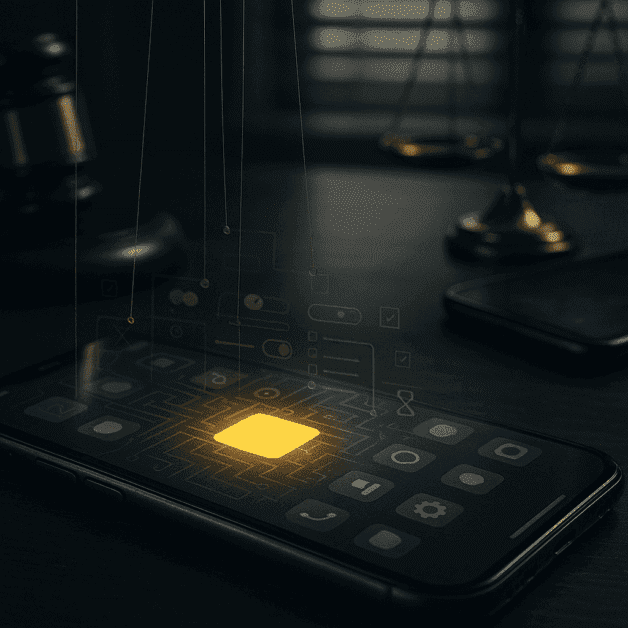
The ‘Dark Patterns’ Lawsuit Targeting Snapchat — and What It Means for Every App
The Snapchat dark patterns lawsuit alleges deceptive in-app design used to keep users engaged and drive purchases. Regulators and plaintiffs argue these UX tactics can mislead users, especially minors, and may violate consumer protection laws. This article explains the claims, key legal issues, and what the case signals for all app developers.
What’s Happening With Snapchat and Dark Patterns?
A major lawsuit targeting Snapchat has brought a controversial topic into the spotlight: dark patterns. The case, which involves allegations of deceptive design practices, is sending a clear message to the entire tech industry. If you use apps on your phone — and almost everyone does — this story matters to you.
The lawsuit claims that Snapchat used design tricks to manipulate users into spending more time on the app, making purchases they didn’t fully understand, and sharing more personal data than they intended. These tactics are what experts call “dark patterns,” and they are far more common than most people realize.
So, What Exactly Are Dark Patterns?
Dark patterns are design choices built into websites and apps that are meant to trick or pressure users into doing something they might not otherwise choose to do. The term was first coined by UX designer Harry Brignull back in 2010, and since then, researchers and regulators have found these tactics almost everywhere online.
Here are some of the most common examples:
- Hidden costs: Extra fees that only appear at the very last step of checkout.
- Trick questions: Confusing checkboxes that sign you up for things you didn’t want.
- Forced continuity: Free trials that automatically charge you without a clear warning.
- Roach motels: Easy to sign up, nearly impossible to cancel.
- Confirm shaming: Guilt-tripping language like “No thanks, I don’t want to save money.”
- Misdirection: Flashy buttons that draw your attention away from important information.
These are not accidents. They are deliberate design decisions made to benefit the company at the user’s expense.
What Does the Lawsuit Say Snapchat Did?
The lawsuit against Snapchat focuses on several serious allegations. Regulators and consumer advocates claim the company used deceptive design to:
- Encourage minors to spend real money on in-app features without fully understanding what they were buying.
- Make it extremely difficult for users — especially younger ones — to delete their accounts or limit data sharing.
- Use addictive design elements that were specifically engineered to keep users, including children and teenagers, hooked on the platform.
- Present privacy settings in a confusing way that led users to share more information than they intended.
The Federal Trade Commission (FTC) and various state attorneys general have been paying close attention to these kinds of practices. Consumer protection laws in the United States prohibit deceptive business practices, and regulators argue that dark patterns fall squarely into that category.
Why Is This Lawsuit Such a Big Deal?
Snapchat is not the only app using these tactics — not by a long shot. But the size of this case and the attention it is getting could set a major precedent for how all digital platforms are held accountable going forward.
Here’s why it matters on a bigger scale:
- It signals a regulatory shift: The FTC and other consumer protection agencies have been building cases against deceptive digital design for years. This lawsuit suggests those efforts are now moving into high gear.
- It puts every major app on notice: Facebook, TikTok, Amazon, and countless other platforms use similar design techniques. A strong ruling against Snapchat could force them all to rethink how their apps are built.
- It highlights the vulnerability of younger users: A significant part of this case involves how these tactics affect children and teenagers, who may not have the experience to recognize when they are being manipulated.
- It could lead to new laws: Lawmakers have been pushing for stronger digital consumer protection rules. A high-profile case like this gives those efforts more momentum.
How the FTC Is Changing Its Approach to Deceptive Design
The Federal Trade Commission has made it clear that deceptive design is now a top enforcement priority. In recent years, the agency has published reports, issued guidelines, and started taking action against companies that use dark patterns to manipulate consumers.
The FTC’s position is straightforward: if a design choice is meant to confuse, mislead, or pressure users, it likely violates existing consumer protection laws — even if no one technically “lied” to users. The deception, in this case, happens through design itself.
This is a meaningful shift. For a long time, tech companies operated in a space where the rules were unclear and enforcement was rare. That era appears to be ending. The FTC is now working to hold platforms accountable not just for what they say but for how their products are built and how they behave.
Are These Design Tricks Really That Harmful?
Some people might wonder whether this is really a big deal. After all, isn’t it up to users to pay attention to what they click?
The answer, according to researchers and consumer advocates, is that it’s not that simple. Dark patterns are specifically designed to work around your natural decision-making process. They take advantage of how the human brain works — using color, placement, timing, and wording to nudge you in a direction you might not choose if things were presented clearly and honestly.
Studies have shown that dark patterns are effective. They increase purchases, reduce cancellations, and lead to more data sharing — all outcomes that benefit the company and often harm the user. When these tactics are aimed at children or teenagers, the concern is even greater, because younger users are generally less equipped to recognize or resist them.
What Could Change Because of This Lawsuit?
If the case against Snapchat moves forward and results in significant penalties or required changes, here is what might follow:
- Clearer cancellation and opt-out processes across apps and subscription services.
- Stronger privacy settings that are easy to find and understand, rather than buried in menus.
- Restrictions on manipulative design targeting minors, possibly including independent audits of how apps are built.
- New disclosure requirements that force companies to be upfront about how their design choices affect user behavior.
- Increased fines and penalties that make deceptive design financially risky for companies.
Consumer advocacy groups have been pushing for all of these changes for years. A successful outcome in this case could make many of them a reality.
What Can You Do Right Now to Protect Yourself?
While the legal process plays out, there are practical steps you can take to protect yourself and your family from dark patterns today.
- Slow down during sign-ups and checkouts. Take a moment to read what you’re agreeing to, especially when something is described as “free.”
- Review your privacy settings regularly. Many apps reset or change their defaults after updates.
- Talk to kids about manipulative design. Teaching young people to recognize these tactics can make them more resistant to them.
- Look for pre-checked boxes. These are a classic dark pattern. Always uncheck what you don’t want.
- Know how to cancel before you subscribe. Research the cancellation process before signing up for any service.
- Use browser extensions and tools designed to flag dark patterns on websites.
The Bigger Picture for the App Industry
The lawsuit targeting Snapchat is part of a much larger conversation happening right now about the ethics of digital design. For too long, many tech companies have prioritized engagement and revenue over user well-being. Dark patterns have been a key tool in that approach.
But public awareness is growing, regulators are paying closer attention, and the legal risk is increasing. The companies that adapt — by building products that are honest, transparent, and genuinely user-friendly — are likely to be better positioned in the years ahead. Those that don’t may find themselves facing lawsuits, fines, and a loss of public trust.
This case is a reminder that the apps on your phone are not neutral tools. They are designed with specific goals in mind, and those goals don’t always align with yours. Understanding that is the first step toward making smarter choices as a digital consumer — and toward holding companies accountable when their designs cross the line.














