
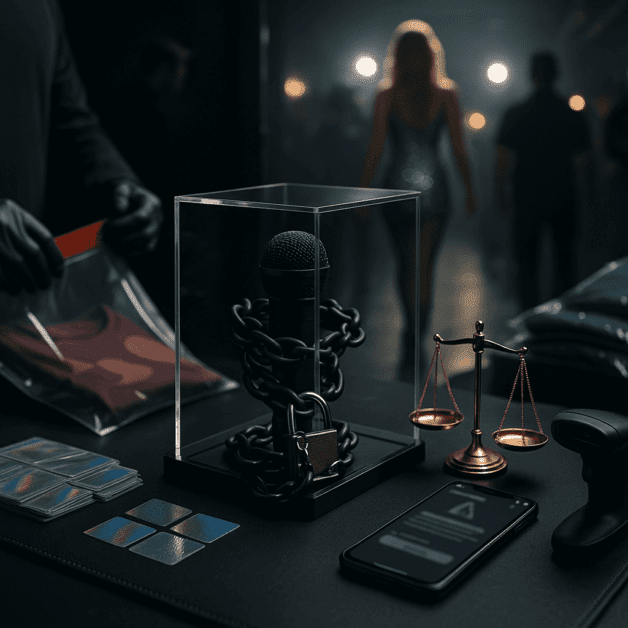
The ‘Taylor Swift Effect’ – How Celebrity Brand Protection Has Changed
The “Taylor Swift Effect” is the shift toward celebrities using trademarks and tighter contracts to control ownership, licensing, and enforcement of their brands. After Swift’s masters dispute, more public figures have prioritized proactive filings and rights management to avoid losing control. This article explains the legal tools and strategies behind modern celebrity brand protection.
What Is the Taylor Swift Effect?
In recent years, few names have done more to reshape how celebrities think about protecting their brand than Taylor Swift. After a highly publicized dispute over the ownership of her original master recordings, Swift became a symbol of the fight for artist rights. But beyond the music industry drama, her actions sparked a broader conversation about how famous people protect their names, images, and creative work in today’s world.
The so-called “Taylor Swift Effect” refers to the growing trend of celebrities taking a much more aggressive and proactive approach to trademark law, brand protection, and their overall legal rights. What was once handled quietly behind the scenes is now front-page news, and more artists, athletes, and public figures are paying close attention.
A Brief Look at How Celebrity Brand Protection Used to Work
Not long ago, celebrity brand protection was relatively straightforward. A famous actor or musician might register their name as a trademark, sign deals through their management team, and leave most of the legal details to entertainment lawyers working in the background.
The main concerns were usually limited to:
- Preventing counterfeit merchandise
- Stopping unauthorized use of a celebrity’s name or image
- Managing licensing deals with major brands
- Protecting music, film, and other creative content through copyright
These were important issues, but they rarely made headlines. Celebrities largely trusted their legal teams to handle things quietly, and most disputes were settled out of court without public knowledge.
How Things Started to Change
The digital age changed everything. Social media gave fans direct access to celebrities, but it also opened the door to new forms of misuse. Anyone with an internet connection could use a famous person’s name, likeness, or brand to sell products, run fake accounts, or profit from their reputation without permission.
At the same time, streaming platforms and social media algorithms made it easier than ever to spread content virally, meaning that unauthorized use of a celebrity’s brand could reach millions of people almost instantly. The stakes got much higher, and the legal landscape had to catch up.
Taylor Swift’s battle over her masters brought these issues into sharp focus. When her original recordings were sold without her consent, she made the decision to publicly speak out and eventually re-record her albums under her own label. This bold move showed the world that celebrities were willing to fight back in a very public and creative way.
Trademark Law and Why It Matters for Celebrities
Trademark law is one of the most important tools in a celebrity’s legal toolkit. A trademark can cover a name, a logo, a phrase, or even a specific style that is closely associated with a person or brand. When properly registered, it gives the owner the legal right to stop others from using that mark without permission.
Swift herself has filed numerous trademark applications over the years, covering everything from her name to specific phrases from her lyrics. This is now seen as standard practice for major celebrities, but it was not always so common or widely talked about.
Some of the things celebrities commonly trademark today include:
- Their full name and any well-known stage names
- Catchphrases or song lyrics that have become closely linked to their identity
- Logos or unique visual elements associated with their brand
- Names of tours, albums, or specific projects
- Merchandise lines and product categories
Entertainment law experts have noted a sharp increase in trademark filings from celebrities and their legal teams over the past decade. The message is clear: your name and brand are valuable assets that need to be protected just like any other property.
The Role of Social Media in Shaping Brand Protection
Social media has become both a powerful tool and a serious challenge when it comes to celebrity rights. On one hand, platforms like Instagram, Twitter, and TikTok allow celebrities to build massive audiences and control their own narrative. On the other hand, they create new risks that did not exist before.
Impersonation accounts, deepfake videos, unauthorized merchandise sales, and the misuse of a celebrity’s image in advertisements are all growing problems. Many celebrities have had to take legal action to remove content or shut down accounts that were using their identity without consent.
The rise of artificial intelligence has made this even more complicated. AI tools can now generate realistic images, audio clips, and videos of real people, including celebrities. This has led to urgent discussions in entertainment law about updating regulations to keep up with the technology.
How Celebrities Are Taking a More Active Role
One of the biggest shifts brought about by the Taylor Swift Effect is the move from passive to active brand management. Celebrities are no longer waiting for problems to arise before taking action. Instead, they and their teams are constantly monitoring the internet for potential violations, filing trademark applications early, and speaking publicly when they feel their rights are being ignored.
This shift has several key characteristics:
- Proactive legal filings: Celebrities are registering trademarks earlier in their careers, often before they reach peak fame.
- Public advocacy: Many artists are now willing to speak openly about legal battles, helping to educate fans and put pressure on those who infringe on their rights.
- Direct ownership: More celebrities are seeking ownership of their masters, publishing rights, and other intellectual property rather than signing those rights away.
- Building legal teams early: Emerging artists and public figures are hiring entertainment lawyers and brand strategists much earlier than previous generations did.
The Impact on the Entertainment Industry
The broader entertainment industry has had to respond to these changes. Record labels, talent agencies, and production companies have all had to reconsider the terms they offer to artists and public figures. The old model, where a label or studio would own virtually everything, is being challenged more often and more successfully.
Artists now have more leverage, partly because of the public awareness that events like Swift’s master dispute helped create. Fans are more informed about these issues and are often willing to support artists who take a stand for their rights. This public support gives celebrities more power at the negotiating table.
At the same time, companies that partner with celebrities are paying closer attention to trademark and licensing agreements. The legal departments of major brands have had to become more sophisticated in how they structure deals to avoid disputes down the road.
What This Means for Emerging Artists and Public Figures
The lessons from the Taylor Swift Effect are not just for mega-stars. Any person who is building a public profile, whether as a musician, athlete, content creator, or influencer, can benefit from understanding these principles.
Here are some practical takeaways for anyone looking to protect their brand:
- Register your name and key phrases as trademarks as early as possible, before you become well known.
- Read every contract carefully and understand what rights you are signing away before you agree to anything.
- Work with an entertainment lawyer who specializes in intellectual property and brand protection.
- Monitor online platforms regularly for unauthorized use of your name or image.
- Understand the difference between copyright and trademark, as both play important roles in protecting your work and identity.
The cost of legal protection may seem high at the start of a career, but the cost of failing to protect your brand can be far greater in the long run.
The Future of Celebrity Rights and Brand Protection
Looking ahead, the landscape of celebrity rights and brand protection is only going to become more complex. New technologies, changing laws, and evolving business models will all continue to reshape what it means to own and protect a personal brand.
There are several key areas that legal experts expect to grow in importance:
- AI and digital likeness rights: Laws governing the use of a person’s voice, image, and likeness in AI-generated content are still being developed in many places, and this will be a major area of entertainment law in the coming years.
- Global trademark protection: As celebrities build international audiences, protecting their brand across multiple countries becomes increasingly important and complex.
- NFTs and digital merchandise: The sale of digital goods bearing a celebrity’s name or image raises new questions about licensing and ownership.
- Fan-created content: Where to draw the line between fan expression and commercial misuse remains a challenging area of celebrity rights law.
The Taylor Swift Effect has shown that celebrities and public figures are more aware than ever of the value of their brand and more willing to fight for it. This shift has already changed how contracts are written, how trademarks are filed, and how the entire entertainment industry thinks about intellectual property.
Final Thoughts
Brand protection and celebrity rights are no longer niche topics discussed only in law school classrooms. They are front-and-center issues that affect artists, fans, businesses, and the wider culture. Thanks in large part to high-profile cases and public advocacy from people like Taylor Swift, there is now a much broader understanding of why these rights matter and what is at stake when they are ignored.
For anyone building a career in the public eye, the message is clear. Your name, your work, and your image are valuable. Protecting them is not just a legal formality. It is a fundamental part of building a lasting and successful career.














