
The Viral Legal Loophole Kids Are Using to Get Around Every Screen-Time Law
Most screen-time laws don’t directly regulate minors’ personal device use at home, so kids often bypass restrictions through parental consent settings, age-gating workarounds, or accounts tied to adults. Enforcement typically targets platforms, app stores, schools, or public institutions—not what happens on a child’s own phone after hours. This article explains the “loophole” driving the trend, why it exists, and what parents, schools, and lawmakers can legally do next.
What’s Actually Going On?
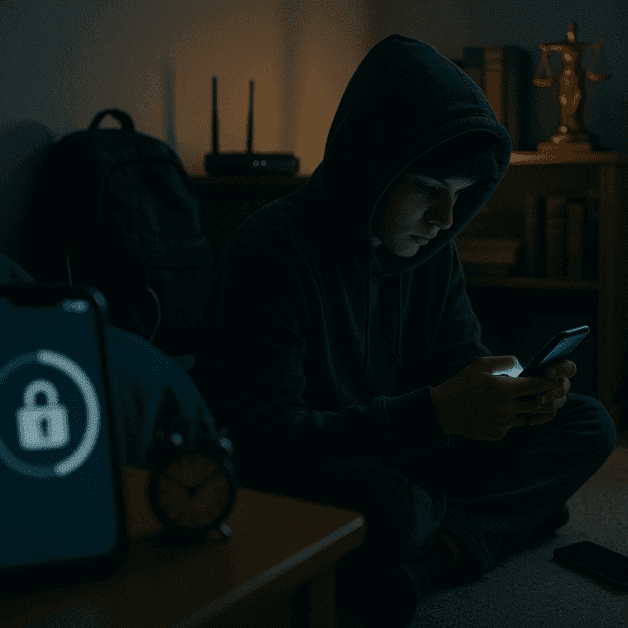
If you have a teenager at home, there’s a good chance they know something you don’t. Across the country, kids and teens are sharing tips, tricks, and workarounds that let them bypass the screen time limits their parents carefully set up. These methods are spreading fast through social media platforms, group chats, and online forums. And the surprising part? Most of these workarounds aren’t illegal. They exist in the gaps between how technology works and how the rules are written.
This isn’t just a story about clever kids outsmarting their parents. It’s a bigger conversation about the regulatory gap between what screen time laws are supposed to do and what they actually accomplish. Parents, schools, and even lawmakers are struggling to keep up.
How Screen Time Rules Are Supposed to Work
Most parents rely on built-in tools to manage how long their kids spend on devices. Apple has Screen Time. Android has Digital Wellbeing. Many routers come with parental control features. These tools let parents set daily limits, block certain apps, and even schedule device-free hours.
On a broader level, there are also regulations meant to protect children online. Laws like the Children’s Online Privacy Protection Act (COPPA) in the United States are designed to limit how companies collect data from kids under 13. Some states have gone further, pushing for stronger digital protections for minors.
The problem is that these tools and laws were designed for a world that moves slower than technology does. Every time a new restriction goes up, a new workaround tends to follow shortly after.
The Loopholes Kids Are Actually Using
So what exactly are these screen time bypass methods that are going viral? Here are some of the most common ones being shared among teens right now:
- Using a second device or account: Many kids simply use an old phone, tablet, or a friend’s device that isn’t connected to parental controls. Since screen time settings are tied to a specific device or account, a second device gets a clean slate.
- Changing the time zone: Some parental control systems calculate screen time based on the device’s clock. By switching the time zone in settings, a teen can sometimes reset or extend their available time before a parent notices.
- Using browser-based versions of blocked apps: When an app is blocked, the mobile website often still works. A blocked YouTube app, for example, doesn’t stop access through a web browser.
- Asking virtual assistants for help: Siri, Google Assistant, and other AI tools can sometimes be used to open apps or access content that has technically been restricted through normal settings.
- Exploiting app update windows: During software updates, some parental control features temporarily go offline or reset. Kids have learned to watch for these windows.
- Screen mirroring and remote access apps: Some teens use screen mirroring tools to view content on another device that isn’t restricted, even while their own screen appears inactive.
- Guest modes and factory resets: Many devices have a guest mode that bypasses account-linked restrictions. In some cases, kids have performed full factory resets on devices to remove controls entirely.
Why These Methods Spread So Fast
Teen technology sharing has always been part of growing up. But social media has turned what used to be playground whisper networks into massive information pipelines. A short video showing how to bypass a parental control can get millions of views in days. Comment sections and direct messages spread the word even further.
Platforms like TikTok, Reddit, Discord, and YouTube are full of tutorials. Some are posted by teens. Others come from tech enthusiasts who don’t necessarily think about the impact on younger audiences. Either way, the information travels faster than most parents or lawmakers can respond.
The Regulatory Gap Nobody Wants to Talk About
Here’s the uncomfortable truth: there isn’t a law that can perfectly control how a teenager uses a device inside their own home. The regulatory gap in digital parenting is real and significant.
Current laws focus mostly on what companies can do — how they collect data, what content they can show to minors, and how they market to children. They don’t have much to say about the technical workarounds that happen at the device level. And device manufacturers, while they offer parental control tools, aren’t legally required to make them impossible to bypass.
Some lawmakers have tried to push for stronger requirements. There have been proposals to make app stores verify the ages of users before allowing downloads, to require platforms to have more robust age-gating systems, and to hold tech companies more accountable for content shown to minors. But these proposals take time to become law, and technology changes faster than legislation.
Meanwhile, the gap stays open, and kids keep finding their way through it.
Is This Really the Kids’ Fault?
It’s easy to frame this as a story about misbehaving teenagers. But that’s not quite fair. Kids have always tested boundaries. That’s a normal and even healthy part of growing up. The issue isn’t that teens are unusually sneaky today — it’s that the tools available to them are more powerful than ever before.
Researchers who study teen technology use point out that restriction alone rarely works without communication. When kids understand why screen time limits exist, they are more likely to respect them. When limits feel arbitrary or overly strict, the motivation to get around them goes up.
There’s also the question of what kids are actually doing on their devices. Not all screen time is the same. A teen spending hours connecting with friends, exploring creative projects, or learning new skills is having a very different experience than one mindlessly scrolling through algorithmically driven content. Blanket time limits often don’t account for this difference.
What Parents Can Actually Do
Given all of this, what’s a parent supposed to do? The honest answer is that no tool will give you perfect control. But there are practical steps that can make a real difference:
- Have an honest conversation: Talk to your kids about why screen time limits matter. Discuss sleep, mental health, and the importance of balance. Kids who understand the reasoning are more likely to work with you instead of around you.
- Use multiple layers of control: Don’t rely on just one tool. Combine device-level settings with router-level controls and, where possible, app-level restrictions. This makes it harder to find a single workaround.
- Stay curious about technology: You don’t have to become a tech expert, but staying generally informed about what tools your kids are using puts you in a better position to notice changes.
- Keep devices in shared spaces: Physical location still matters. Devices used in common areas are easier to monitor than those used behind closed doors.
- Revisit the rules regularly: As kids get older, their needs and the technology they use both change. Rigid rules that don’t adapt tend to create more conflict without achieving better outcomes.
- Focus on quality, not just quantity: Consider having conversations about what kind of content is worth spending time on rather than only tracking how many minutes are used.
What Schools and Communities Are Doing
Some schools have started addressing the screen time bypass problem directly. A growing number of districts are banning smartphones during school hours entirely, removing the need for app-level controls during the day. Some use signal-blocking pouches where students store their phones at the start of class.
Community programs are also stepping in. Digital literacy courses that teach kids about healthy technology habits are becoming more common. These programs treat teens as people who can make informed choices rather than problems to be controlled, and early results suggest this approach can be effective.
Pediatric health organizations have also updated their guidance in recent years, moving away from strict hour-based recommendations toward a more nuanced view that considers the type of content and context of use.
What Needs to Change at the Policy Level
Closing the regulatory gap will require action from multiple directions. Tech companies need to invest more seriously in parental control systems that are harder to bypass — not because it helps their bottom line, but because regulators and the public increasingly expect it. Age verification technology, while imperfect, is improving and needs to be part of the conversation.
Lawmakers need to move faster. The pace of regulatory change has consistently lagged behind the pace of technological change, and children have paid a price for that gap. Stronger requirements around default safety settings for minors, clearer accountability for platforms that knowingly allow underage access, and funding for digital literacy education could all make a meaningful difference.
And parents need support — not judgment. Most parents trying to manage their kids’ screen time are doing the best they can with tools that weren’t designed to be fully effective. Better public education about what parental controls can and can’t do would help set realistic expectations and lead to better strategies.
The Bottom Line
The viral legal loophole kids are using isn’t really a single trick. It’s a collection of workarounds made possible by the space between how digital rules are written and how technology actually works. The screen time bypass methods spreading online aren’t going away anytime soon, and pretending that tighter rules alone will solve the problem misses the point.
The real answer is a combination of better technology, smarter policy, and honest conversations between parents and kids. None of that is as simple as setting a timer on a device. But it’s the approach most likely to actually work.
Because at the end of the day, the goal isn’t to win a battle against your teenager. The goal is to raise a young person who can navigate a digital world safely and thoughtfully — even when nobody’s watching the clock.














