Bail Bond

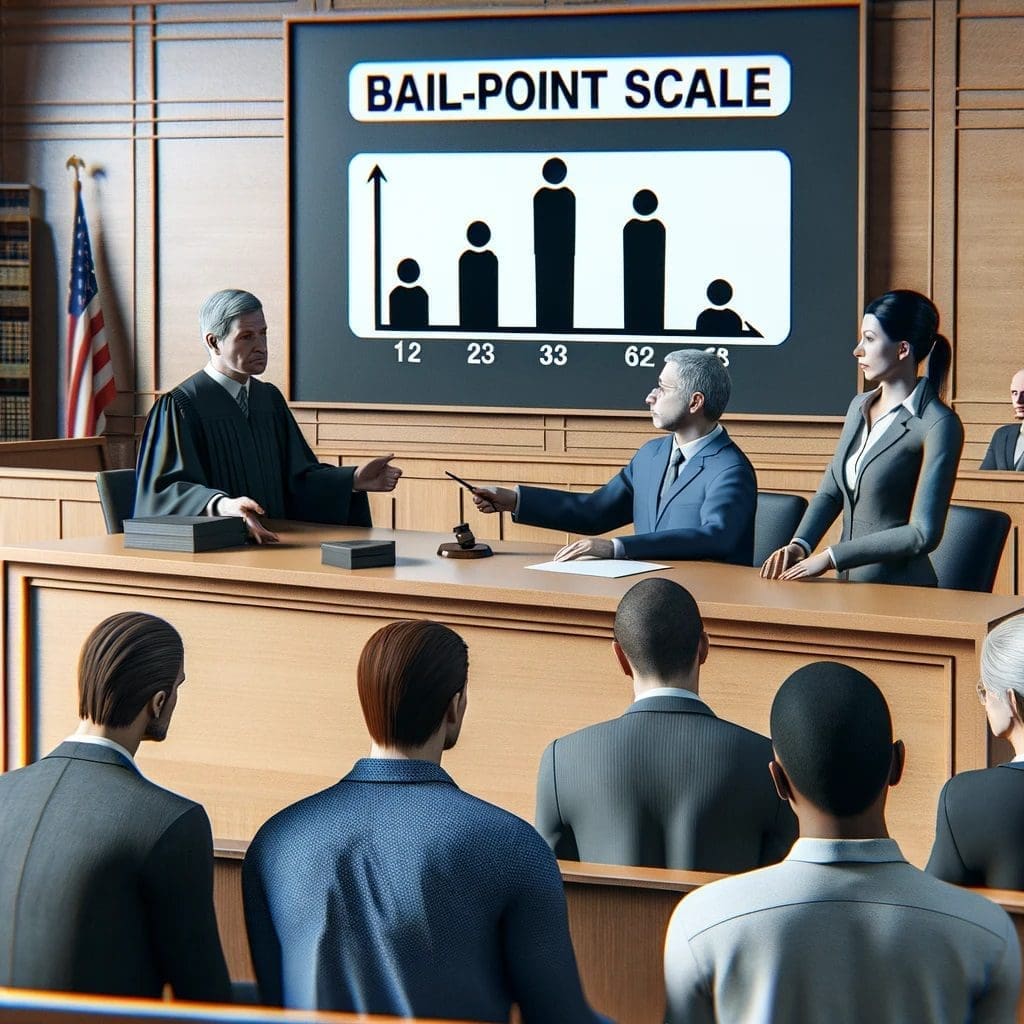
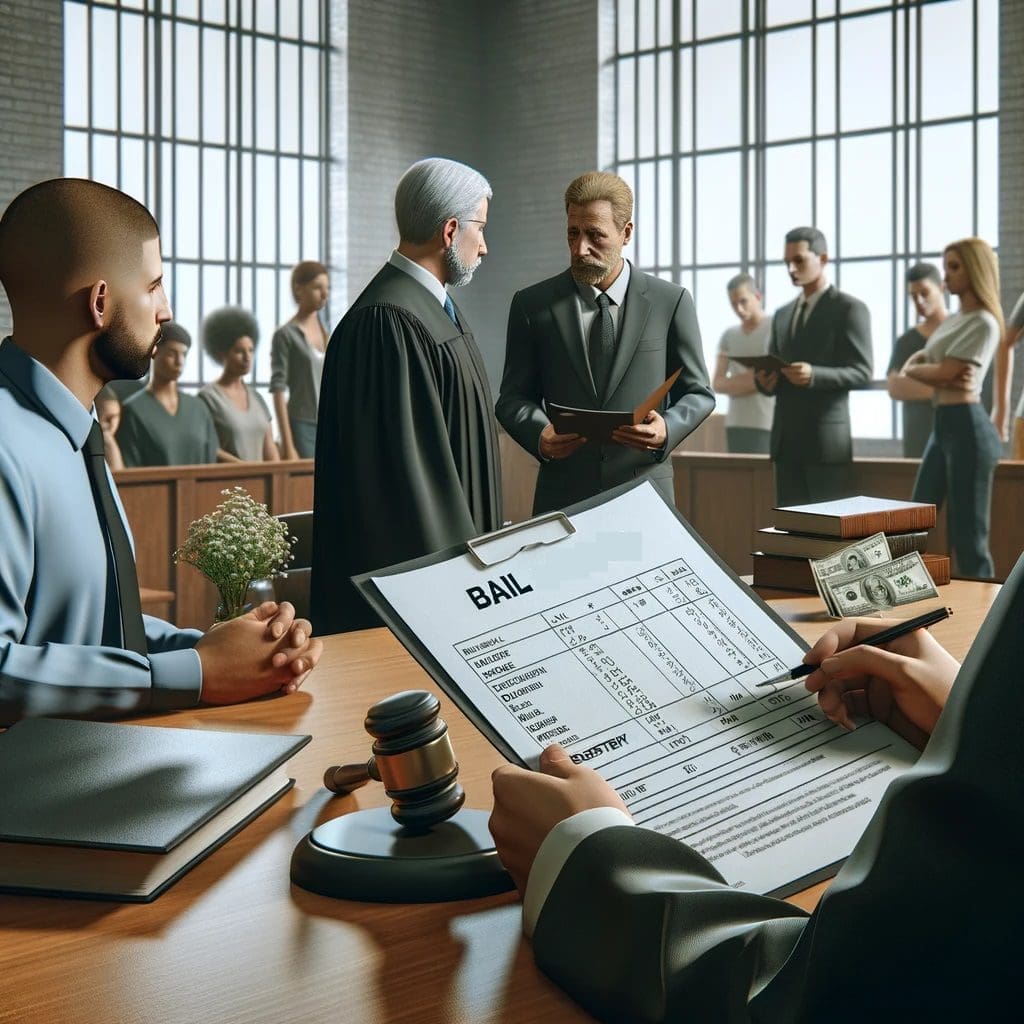
<a href="https://attorneys.media"><img class="aligncenter size-full wp-image-32427" src="http://attorneys.media/wp-content/uploads/2023/12/Bail-Bond.jpg" alt="A Realistic View of the Bail Bond System: Legal Professionals at Work" width="1024" height="1024" /></a> <h4>The Bail Bond System: Understanding Its Mechanics and Legal Implications</h4> The <strong>bail bond</strong> system plays a crucial role in the criminal justice process, providing a means for individuals accused of a crime to remain free while awaiting trial. Understanding this system is essential for navigating legal challenges that arise after an arrest. Bail is a financial arrangement that a bail bond company makes on behalf of the accused. In exchange for the release of the defendant from jail, the company guarantees payment of the full bail amount if the defendant fails to appear in court. This system ensures that the defendant can prepare for trial outside of custody while providing a financial incentive to return to court. The cost of a bail bond typically includes a non-refundable fee, usually a percentage of the total bail amount set by the court. This fee compensates the bail bond company for the risk they undertake. Factors influencing bail amounts include the severity of the crime, the defendant's criminal history, and their likelihood of fleeing. Understanding the responsibilities and obligations that come with a bail bond is vital. When someone signs a bail bond contract, they agree to specific conditions, such as appearing in all court hearings and not engaging in illegal activities. Failure to meet these conditions can result in the revocation of the bail and immediate return to custody. The bail bond process also involves legal considerations regarding the rights of the accused. The Eighth Amendment of the U.S. Constitution prohibits excessive bail, ensuring that the amount set is not punitive but rather sufficient to guarantee the defendant's return to court. For those unable to afford bail, options such as personal recognizance release or seeking a bail reduction in court are available. These alternatives depend on various factors, including the nature of the offense and community ties. The role of a bail bondsman is critical in this process. They act as a guarantor, pledging money or property as bail for the appearance of the defendant in court. Choosing a reputable and licensed bail bondsman is essential for ensuring a smooth and legally compliant process. In conclusion, the bail bond system is a complex but vital part of the criminal justice system. Understanding how it works, its costs, legal implications, and the responsibilities it entails is crucial for anyone involved in the process.

40 posts
Bail in Error: How Do You Challenge Incorrect Bail Decisions?

Bail in Error: How Do You Challenge Incorrect Bail Decisions?

You can challenge an incorrect bail decision by requesting a bail review or appeal in the appropriate court, often on grounds like legal error, new evidence, or changed circumstances. Bail outcomes can be reversed when the original decision misapplied the law or overlooked key facts affecting flight risk or public safety. This article explains who […]
Read More
Can You Challenge Your Bail-Point Score?

Can You Challenge Your Bail-Point Score?

Yes—if your bail-point score was calculated using incorrect or outdated information, you can ask the court to review and correct it, and a judge may adjust release conditions. Bail-point systems rely on arrest details, prior history, and risk factors, so even small errors can raise a score and lead to higher bail or detention. This […]
Read More
Can You Challenge a Bail Piece Decision?

Can You Challenge a Bail Piece Decision?

Yes—you can often challenge a bail piece decision, but success depends on your state’s rules, the reason for surrender, and how quickly you act. Courts may review the bondsman’s actions and your custody status, especially if procedures weren’t followed or your rights were violated. This article explains what a bail piece is, common grounds to […]
Read More
Can Bail Jumping Lead to Additional Jail Time?

Can Bail Jumping Lead to Additional Jail Time?

Yes—bail jumping can lead to additional jail time and new criminal charges, on top of any sentence for the original case. Courts treat missed court dates or violations of release conditions as separate offenses and may also revoke bail, issue a warrant, and raise future bond amounts. This article explains what legally counts as bail […]
Read More
What Happens If You Skip Bail in Criminal Court?

What Happens If You Skip Bail in Criminal Court?

Skipping bail (failing to appear in court) typically triggers an arrest warrant and can lead to forfeiting your bond and facing additional criminal charges. Courts treat missed appearances seriously because they undermine the court’s ability to proceed and can increase penalties and bail amounts. This article explains what happens after you skip bail, how warrants […]
Read More
Can You Afford Bail Under Current Schedule Rules?

Can You Afford Bail Under Current Schedule Rules?

Most people can’t afford bail under today’s schedule-based rules, where standard amounts are set by charge and often run from hundreds to tens of thousands of dollars. Because schedules rarely reflect a person’s actual income, even low-level arrests can mean paying a large sum up front or staying in jail. This article explains how bail […]
Read More
Why Is Bond Forfeiture Important for Criminal Defense?

Why Is Bond Forfeiture Important for Criminal Defense?

Bond forfeiture is important because if a defendant misses court, the judge can forfeit the full bail amount and issue a bench warrant. This protects court integrity by enforcing appearance and bail conditions while creating immediate financial and custody risks. This article explains what triggers forfeiture, consequences, and defense options to recover or mitigate the […]
Read More
Navigating the Arrest Process: Protecting Your Rights & Legal Advice

Navigating the Arrest Process: Protecting Your Rights & Legal Advice

The arrest process typically has 5 stages: stop/detention, arrest, booking, first appearance, and bail. Your key protections include the right to remain silent and the right to counsel, which you should invoke immediately. This article explains what happens at each stage and how to protect your rights throughout. Navigating the legal system can be daunting, […]
Read More
Bail Jumping: Consequences of Missing Court Dates

Bail Jumping: Consequences of Missing Court Dates

Missing a court date can trigger bail jumping charges, a bench warrant, and even jail time, with penalties varying by jurisdiction and whether the underlying case is a misdemeanor or felony. Courts may also revoke bail, forfeit bond money, and impose stricter release conditions going forward. This article explains what qualifies as bail jumping, the […]
Read More
How to Choose a DUI Lawyer in Santa Clara County

How to Choose a DUI Lawyer in Santa Clara County

Choose a Santa Clara DUI lawyer with at least 5 years of local DUI defense and proven DMV hearing experience. Prioritize attorneys who regularly handle cases in the Santa Clara County courts and can explain strategy, timelines, and fees clearly. This article covers DUI charges, defense options, and what to look for when hiring counsel. […]
Read More
Understanding Bail: Proven Steps to Secure Release

Understanding Bail: Proven Steps to Secure Release

Bail is a court-set amount or conditions that can allow a person accused of a crime to be released from jail while the case is pending. Judges weigh factors like flight risk, public safety, and the severity of the charges when deciding whether to set bail, deny it, or impose alternatives. This article explains how […]
Read More
How to Navigate Detention Rights and Guidelines

How to Navigate Detention Rights and Guidelines

If you’re detained in the U.S., you generally have the right to remain silent, ask if you’re free to leave, and request an attorney, though limits can differ by state and by whether you’re in custody. Police can briefly stop you on reasonable suspicion and detain you longer after an arrest or with probable cause. […]
Read More
Scroll to Top