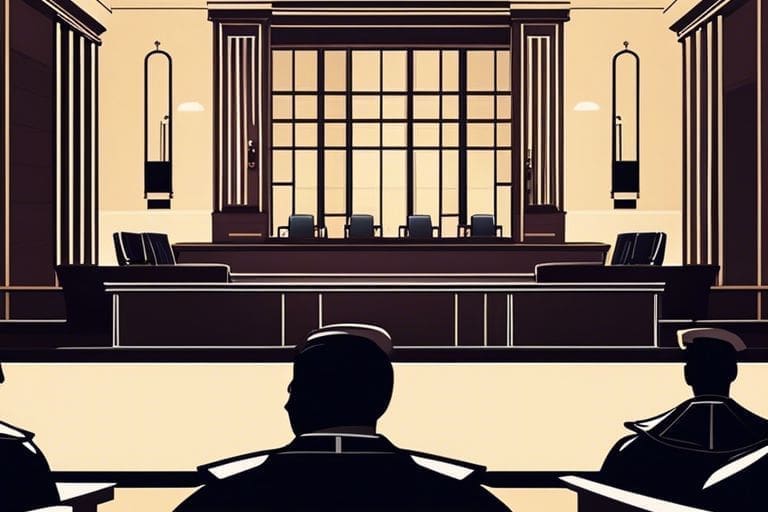
Court Procedures

<h4><a href="https://attorneys.media"><img class="aligncenter size-full wp-image-32430" src="http://attorneys.media/wp-content/uploads/2023/12/Court-Procedures.jpg" alt="Inside the Courtroom: Capturing the Essence of Court Procedures" width="1024" height="1024" /></a></h4> <h4>Navigating the Intricacies of Court Procedures: A Detailed Overview</h4>   <strong>Court procedures</strong> are the backbone of the legal system, guiding how legal cases are handled from initiation to resolution. Understanding these procedures is crucial for anyone involved in legal matters, be it as a plaintiff, a defendant, or a legal professional. The first step in any legal proceeding is filing the case, which involves preparing and submitting legal documents to the court. This step sets the stage for the entire process and requires attention to detail to ensure all legal requirements are met. Once a case is filed, the court will schedule various hearings and proceedings. These may include preliminary hearings, pre-trial conferences, and, if necessary, a trial. Each of these stages has its unique purpose and requirements, from determining the merits of the case to discussing legal strategies. One of the most critical aspects of court procedures is adhering to courtroom etiquette. This includes proper dress code, respectful behavior towards the judge and court staff, and following courtroom protocol. Understanding and respecting courtroom etiquette can significantly impact the perception of your case. Preparation for court appearances is also vital. This involves reviewing your case, understanding the relevant laws, and consulting with your attorney. Being well-prepared can help you present your case effectively and respond to legal challenges. If the case proceeds to trial, understanding the trial process is essential. Trials typically involve opening statements, the presentation of evidence, witness testimonies, cross-examinations, and closing arguments. Each stage requires strategic planning and a deep understanding of legal principles. After the trial, the judge or jury will deliberate and reach a verdict. Depending on the outcome, there may be additional steps, such as sentencing in criminal cases or awarding damages in civil cases. Post-trial procedures are also an integral part of court processes. These can include filing appeals, enforcing judgments, or negotiating settlements. Understanding your options after a trial can help you make informed decisions about the next steps in your legal journey. In conclusion, court procedures are a complex but essential aspect of the legal system. Understanding these procedures, from filing a case to post-trial steps, is crucial for effectively navigating legal challenges. With the right knowledge and preparation, individuals can confidently approach their legal matters.

475 posts

Resolving Trade Disputes: Effective Legal Strategies and Frameworks

Resolving Trade Disputes: Effective Legal Strategies and Frameworks

Most trade disputes are resolved through consultation, mediation, arbitration, or WTO dispute settlement, typically moving from talks to a binding ruling if needed. These frameworks address tariffs, subsidies, import/export barriers, and IP violations while preserving market access. This article explains core dispute types, key legal options, and practical steps for effective resolution. Resolving trade disputes […]
Read More
Countervailing Duties – Legal Tools Against Subsidized Imports

Countervailing Duties – Legal Tools Against Subsidized Imports

Countervailing duties (CVDs) are additional import tariffs imposed to offset unfair foreign government subsidies and restore competitive pricing in the U.S. market. They’re typically calculated to match the subsidy benefit and are applied after an investigation by U.S. trade authorities. This article explains how CVD cases work, who can file, key legal standards and timelines, […]
Read More
What Does the Supreme Court Actually Do? Explained

What Does the Supreme Court Actually Do? Explained

The U.S. Supreme Court has 9 justices and is the nation’s highest court, deciding which cases to hear and issuing binding rulings on federal law and the Constitution. It reviews select appeals, resolves disputes between states, and can strike down laws that violate constitutional rights. This article explains its core functions, processes, and impact on […]
Read More
What You Need to Know About Sentencing Implications

What You Need to Know About Sentencing Implications

Sentencing implications determine the penalties a court can impose after a conviction, often including jail or prison time, fines, probation, restitution, and mandatory programs. The outcome depends on factors like the offense severity, criminal history, statutory minimums or maximums, and available plea agreements. This article explains how judges calculate sentences, what aggravating or mitigating factors […]
Read More
Understanding First DUI Penalties in California: Complete Guide

Understanding First DUI Penalties in California: Complete Guide

A first DUI in California can result in up to 6 months in jail, fines and assessments totaling around $1,800–$2,000, a 6–10 month license suspension, and a DUI program of 3–9 months. Penalties vary based on BAC level, whether an accident occurred, and prior history, and administrative DMV consequences can apply separately from the criminal […]
Read More
How to Ensure Your Right to a Fair Trial

How to Ensure Your Right to a Fair Trial

The U.S. Constitution guarantees a fair trial through the Sixth Amendment and the Fourteenth Amendment’s due process protections. These rights include an impartial jury, legal counsel, and the ability to confront witnesses, but they can be compromised by unlawful procedures or bias. This article explains the core fair-trial rights, common violations, and practical steps to […]
Read More
How to Protect Your Rights After DUI Arrest in Broward

How to Protect Your Rights After DUI Arrest in Broward

After a Broward DUI arrest, you have 10 days to request a Florida DHSMV hearing to challenge an administrative license suspension. Stay calm, limit statements, and contact a DUI attorney immediately to protect your defense and driving privileges. This article covers immediate steps, your rights, and how counsel can help in Broward County. Facing a […]
Read More
How to Protect Your Rights Under Military Justice Law

How to Protect Your Rights Under Military Justice Law

Service members have at least 5 core protections under military justice law, including Article 31(b) rights, counsel, and due process. These rights apply from investigations through court-martial and can affect evidence, charges, and outcomes. This article explains the UCMJ framework, key rights, and the military courtroom and appeals process. Military law is a specialized legal […]
Read More
Will You Need to Go to Court for Your Divorce?

Will You Need to Go to Court for Your Divorce?

Most divorces don’t require a full court trial—many are resolved through settlement or mediation, with only brief court involvement for approval. Whether you’ll need to appear in court depends on your state’s rules, whether the divorce is contested, and disputes over custody, support, or property. This article explains when court is required, how uncontested vs. […]
Read More
Understanding Rules of Evidence: What You Need to Know

Understanding Rules of Evidence: What You Need to Know

The rules of evidence determine what information a judge or jury may legally consider in court, including when testimony, documents, or physical items can be admitted or excluded. They aim to keep trials fair and reliable by filtering out irrelevant, prejudicial, or unreliable proof while enforcing requirements like relevance, authentication, and hearsay exceptions. This article […]
Read More
How is child custody determined in a divorce case?

How is child custody determined in a divorce case?

Child custody in a divorce is determined under the “best interests of the child” standard, with courts weighing multiple factors such as each parent’s caregiving history, stability, and the child’s needs. Judges may consider parenting plans, evidence of cooperation, safety concerns, and in some cases the child’s preferences depending on age and maturity. This article […]
Read More
Scroll to Top