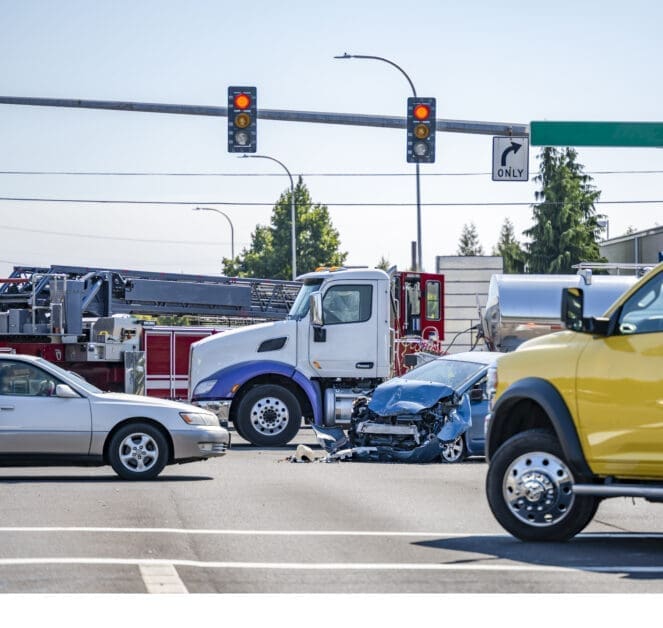
How to Preserve Evidence After a Commercial Truck Accident
A collision with a commercial truck changes everything in a split second. New York City sees tens of thousands of motor vehicle crashes each year, and many involve commercial transport. One multi-vehicle wreck on the Cross Bronx Expressway involving a tractor-trailer crushed two passenger cars, sending victims to the hospital with devastating injuries.
For anyone facing the aftermath of a crash like this, securing proof of liability is vital. Getting help from a qualified personal injury lawyer in the first critical hours can make or break your claim. The steps you take to preserve evidence must happen quickly.
Why Evidence Preservation Matters So Much
Commercial truck collisions aren’t like fender benders. These cases involve federal transportation regulations, well-funded corporate insurers, and the kind of damage that happens when an 80,000-pound rig hits a passenger car. The legal complexity is on a different level entirely.
Modern commercial trucks act as “rolling computers,” capturing enormous amounts of driver data, from braking to steering patterns. But trucking companies can legally erase or overwrite this data within weeks if no demand is made to keep it. Acting quickly is essential.
Step 1: Take Immediate Action at the Scene
Safety and Medical Documentation
Call 911 first. That’s non-negotiable. Securing the area and having medical personnel on scene creates a documented baseline for your injuries. These records matter because corporate insurers will almost certainly try to argue that your injuries happened after the accident, not during it.
Capture Physical Evidence Quickly
Skid marks, debris, vehicle positioning; all of it can vanish within hours. A New York enforcement operation found over 200 violations targeting overweight and garbage trucks, including 34 out-of-service violations. That’s a sobering reminder of how many dangerous trucks share the road with everyday commuters.
To get the incident officially on record, check out this police report filing guide. A solid police narrative forms the backbone of any trucking claim. First responders will log weather conditions, traffic signals, and driver sobriety, all of which become part of your case.
Step 2: Secure Digital and Regulatory Evidence
The Truck’s Black Box and ELD
Every commercial truck carries an electronic logging device (ELD), which is a digital tool that tracks whether drivers comply with FMCSA (Federal Motor Carrier Safety Administration) hours-of-service rules—regulations that limit how long a driver can be behind the wheel without rest. The truck’s engine control module, often called the “black box,” is a specialized computer that also records speed, braking, and steering data leading up to the crash.
Extracting this information requires specialized software and immediate legal action before the carrier resets the system. A thorough investigation also means reviewing the driver’s past citations. Patterns of violations can show routine neglect of safety protocols.
Company Maintenance and Driver Records
Liability doesn’t always stop with the person behind the wheel. Trucking companies, third-party cargo loaders, and parts manufacturers can all share responsibility. So who else dropped the ball?
Resources on traffic court self-representation may provide insight into how prior citations and driver records are handled. Proving corporate negligence often means uncovering ignored maintenance requests or inadequate safety training files. Accessing those internal documents prevents the company from hiding safety failures.
| Evidence Type | Source | What It Proves | Risk of Loss |
| Physical | Crash scene (debris, skid marks, vehicle damage) | Point of impact, collision severity | High; cleared within hours |
| Digital (black box/ELD) | Truck’s onboard computer systems | Speed, braking, hours-of-service compliance | Medium; can be overwritten quickly |
| Regulatory | Trucking company headquarters | Negligent hiring, poor maintenance protocols | Low to medium; protected by legal holds |
Step 3: Handle Legal Deadlines and Spoliation Letters
Spoliation Letters
Ever heard of a spoliation letter? It’s a formal legal notice requiring the trucking company to preserve all evidence linked to the crash. The “rule of spoliation” (the legal principle governing destroyed or lost evidence) can result in harsh penalties for companies that fail to comply.
If a commercial carrier tampers with evidence before inspection, they risk severe court sanctions. A spoliation letter requires the company to preserve all maintenance logs, digital records, and even the physical vehicle itself.
Working with a Personal Injury Lawyer
Handling all of this on your own while recovering from serious injuries? That’s a tall order. Partnering with an experienced New York City personal injury lawyer means someone is immediately issuing those spoliation letters and coordinating an independent investigation before critical data disappears.
Jacoby & Meyers, LLP, for example, has spent nearly 50 years handling cases involving negligent trucking companies and corporate insurers. Commercial carriers often send their own rapid-response teams to crash sites to minimize liability, so having a firm with the resources to bring in accident reconstruction experts and subpoena federal compliance records can level the playing field. The firm has contributed to over $3 billion in recoveries for its clients.
Taking prompt legal action also helps you stay on top of New York’s statute of limitations and other procedural deadlines, so you can focus on healing instead of paperwork.
Step 4: Document Damages and Notify Insurance Carriers
Long-Term Economic and Physical Impact
Truck crashes almost always cause catastrophic, life-altering injuries that affect your ability to earn a living for years. Proving those long-term financial damages takes thorough medical records and, often, expert economic testimony. Track every bill, rehab costs, and missed paychecks; they all add up.
Communicating with Corporate Insurers
Here’s something most people don’t realize: trucking insurance adjusters are specifically trained to minimize payouts. Anything you say in a recorded statement can be twisted to shift blame onto you.
Keep these ground rules in mind when dealing with corporate carriers:
- Stick to the basics: Give only your name, contact information, and the date and location of the crash.
- Don’t agree to recorded statements: Decline until you’ve spoken with a lawyer.
- Don’t admit fault: Avoid apologizing or guessing about what caused the accident. Even offhand comments can be used against you.
- Redirect all communication: Tell insurance representatives to contact your attorney going forward.
Protecting Your Future After a Truck Collision
The hours and days after a serious collision mark a race against trucking companies. Quickly securing physical, digital, and regulatory evidence through proper legal channels establishes the strongest foundation for your claim.
Without aggressive evidence preservation, critical data can vanish along with your chance at fair compensation. If you or a loved one has been hit by a commercial truck, don’t wait. Contact a qualified legal professional to start an independent investigation and protect your rights.