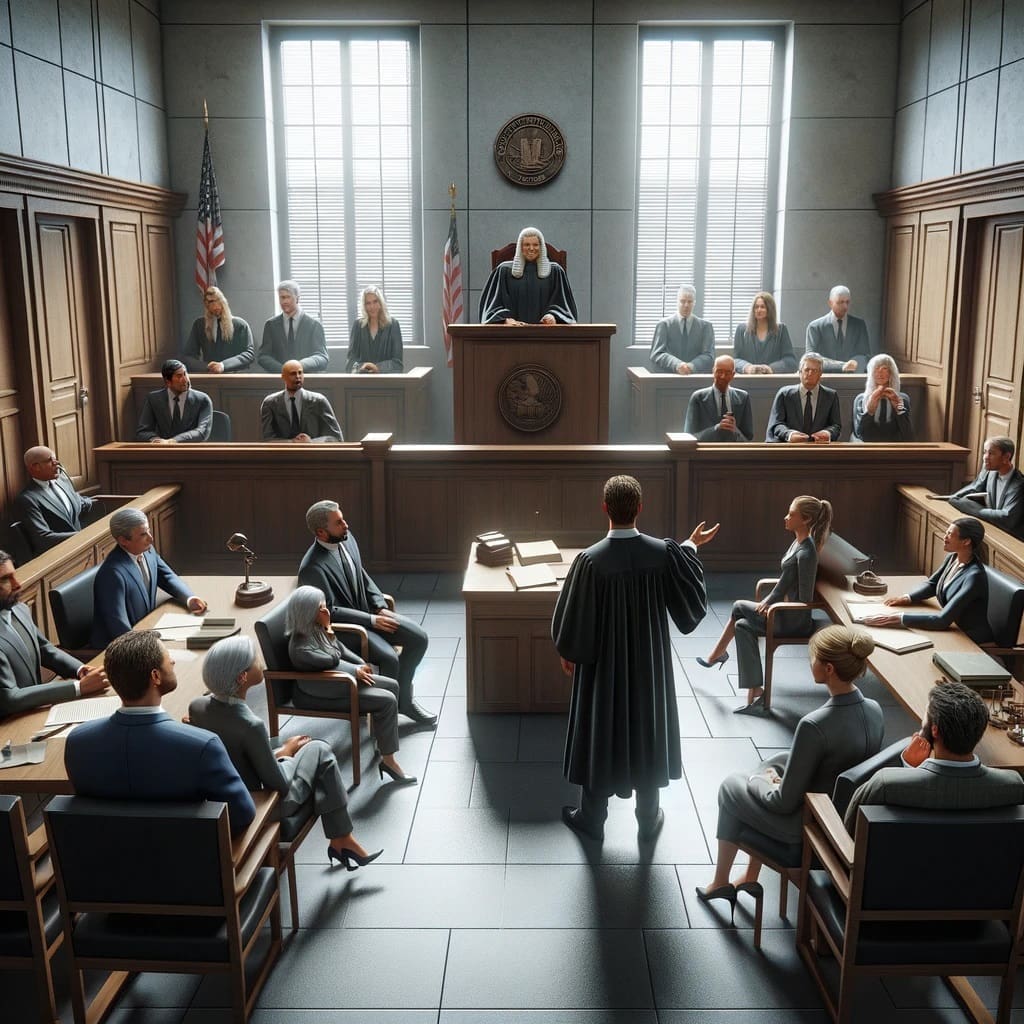
criminal sentencing

Explore comprehensive resources discussing the processes, factors, and guidelines involved in determining punishments for criminal offenses. Under this category, visitors will find video interviews with experienced criminal defense attorneys, in-depth articles on sentencing laws, and discussions on key topics such as mandatory minimums and plea bargains. This content is designed to offer a clear understanding of the complexities surrounding the sentencing phase in criminal cases, ensuring individuals seeking legal information are well-informed.

Timeline infographic of Gypsy Rose Blanchard case events

Gypsy Rose Blanchard Case Timeline – What to Expect

The Gypsy Rose Blanchard case timeline centers on Dee Dee Blanchard’s June 2015 murder and Gypsy’s 2016 guilty plea, followed by her December 2023 release. It traces years of alleged medical abuse and coercive control leading to the crime and prosecution. This article summarizes the major milestones and what to expect from ongoing public and […]

Gypsy Rose Blanchard Case Timeline – What to Expect Read More »

Federal sentencing attorney consulting with client

How to Find the Best Federal Sentencing Guidelines Calculator Attorney

The best federal sentencing guidelines calculator attorney is a federal criminal defense lawyer who can accurately apply the U.S. Sentencing Guidelines to your case and explain your likely sentencing range. Because guideline calculations hinge on offense level, criminal history, and specific enhancements or departures, small errors can significantly change exposure. This article explains what to

How to Find the Best Federal Sentencing Guidelines Calculator Attorney Read More »

Federal sentencing guidelines calculator with legal books

Understanding Federal Sentencing Guidelines Calculator – Attorney Insights

Federal sentencing guidelines calculators estimate a defendant’s recommended prison range by applying the U.S. Sentencing Guidelines’ offense level and criminal history category. While they provide a structured starting point, the final sentence can differ based on departures, variances, and case-specific facts. This article explains how the calculator works, what inputs matter most, and how an

Understanding Federal Sentencing Guidelines Calculator – Attorney Insights Read More »

Justice through Victim Compensation

Criminal Restitution: Compensating Victims of Crime

Criminal restitution is a court-ordered payment from a convicted offender to a victim to repay measurable, out-of-pocket losses caused by the crime. Amounts vary by case and typically cover direct economic harms like medical bills, property damage, or lost wages, rather than pain and suffering. This article explains who qualifies for restitution, how courts calculate

Criminal Restitution: Compensating Victims of Crime Read More »

Understanding Sentencing Outcomes in Court

Sentencing Guidelines: Understanding Potential Punishments

Sentencing guidelines typically use a grid that combines offense severity and criminal history to produce a recommended sentencing range in months. Judges usually follow the range but may depart based on legally recognized aggravating or mitigating factors. This article explains how guidelines work, what affects departures, and how they influence plea deals and sentencing. Sentencing

Sentencing Guidelines: Understanding Potential Punishments Read More »

The Impact of Aggravating Circumstances on Criminal Sentencing: A Comprehensive Analysis

The Significance of Aggravating Circumstances in Criminal Sentencing

Aggravating circumstances are legally recognized factors that can increase a criminal sentence beyond the base range under statutes or sentencing guidelines. Courts consider elements like victim vulnerability, use of a weapon, prior convictions, or extreme cruelty to justify harsher penalties. This article explains what counts as aggravation, how it’s proven, and its impact on sentencing

The Significance of Aggravating Circumstances in Criminal Sentencing Read More »

Three Strikes Get a Second Look

“Three strikes” laws impose life or near-life prison sentences after a third qualifying felony in many states, but courts and legislatures have increasingly narrowed who qualifies and how prior convictions count. Recent reforms and appellate decisions have expanded options to challenge strikes, seek resentencing, or reduce enhancements based on the nature of the offenses and

Three Strikes Get a Second Look Read More »

Scroll to Top