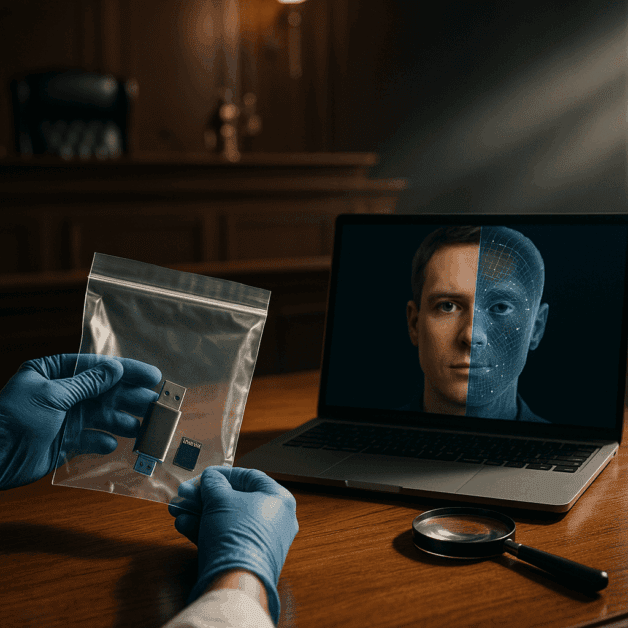
digital forensics

Explore comprehensive content on the intricate processes involved in uncovering digital evidence within legal cases, featuring expert video interviews and in-depth articles. Visitors will find resources that delve into the role of digital forensics experts in litigation, including the techniques used to analyze electronic data and the legal standards governing them. Enhance your understanding of how technological advancements impact evidence collection and legal proceedings.

Gavel beside a glowing AI digital screen in court

When AI-Generated Evidence Is Admissible in Court — and When It Isn’t

AI-generated evidence is admissible only if it meets 4 core requirements: relevance, authentication, reliability, and surviving Rule 403 prejudice concerns. Courts typically require metadata, chain of custody, and sometimes expert testimony to show how the AI content was created and whether it was altered. This article explains when AI outputs can be used at trial […]

When AI-Generated Evidence Is Admissible in Court — and When It Isn’t Read More »

Digital forensics evolution timeline visualization

Digital Forensics Evolution: From PCs to Blockchain

Digital forensics has evolved from simple hard drive analysis to complex investigations spanning mobile devices, cloud storage, and blockchain technology. Today’s cyber forensics experts face unprecedented digital forensics challenges, requiring expertise in cryptocurrency transactions and distributed systems beyond traditional computer forensics.

Digital Forensics Evolution: From PCs to Blockchain Read More »

Strategic Defense Meeting for Armed Robbery Charges in Action

How to Protect Your Rights During Armed Robbery Prosecutions?

Protect your rights during armed robbery prosecutions by invoking the 5th Amendment and hiring counsel immediately—armed robbery can carry 10+ years or more depending on the state and weapon allegations. A tailored defense can challenge identification and intent and emphasize mitigating facts like no prior record or lack of violent intent. This article covers case

How to Protect Your Rights During Armed Robbery Prosecutions? Read More »

Essential Proof for Winning Cybercrime Defense Cases

What Evidence is Crucial in Cybercrime Defense Cases?

Crucial cybercrime defense evidence typically includes 5 core categories: device images, network logs, cloud/app records, account/authentication data, and chain-of-custody documentation. Defense teams use this to test attribution, integrity, and whether searches and seizures were lawful. This article explains what to preserve, how digital forensics is challenged, and which records most often change outcomes. In the

What Evidence is Crucial in Cybercrime Defense Cases? Read More »

Legal Help for Identity Theft Recovery

Can a cybercrime defense attorney help with identity theft cases?

Yes—identity theft is criminalized in all 50 states, and a cybercrime defense attorney can help. They defend against allegations by challenging digital evidence, negotiating with prosecutors, and protecting your rights, or help victims pursue reports and restitution. This article explains when to hire one, what they do, and what to expect. In the digital age,

Can a cybercrime defense attorney help with identity theft cases? Read More »

Digital Defense in the Courtroom

How does a cybercrime defense differ from traditional criminal defense?

A cybercrime defense differs from traditional criminal defense by focusing on digital evidence—logs, metadata, device forensics, and network activity—and on proving attribution and intent in online conduct. These cases often turn on complex technical analysis, data preservation issues, and laws like the Computer Fraud and Abuse Act alongside state statutes. This article explains key strategy

How does a cybercrime defense differ from traditional criminal defense? Read More »

Guide to Finding Your Cybercrime Attorney

How do I choose the right cybercrime defense attorney?

Choose a cybercrime defense attorney with at least 5 years of cyber law casework and proven digital forensics results. Verify relevant certifications, prior outcomes, and their ability to work with forensic experts and prosecutors. This article explains the key criteria, questions to ask, and red flags to avoid when hiring counsel. Selecting the right cybercrime

How do I choose the right cybercrime defense attorney? Read More »

Cutting-Edge Forensic Science: Experts Conduct DNA Analysis in Lab

Exploring the Critical Role of Forensics in Modern Law Enforcement

Forensic science helps law enforcement identify suspects, connect people to crime scenes, and verify events using physical and digital evidence. By applying methods like DNA profiling, fingerprint analysis, toxicology, and digital forensics, investigators can strengthen cases while reducing reliance on unreliable testimony. This article explains how modern forensic techniques work, where they are used in

Exploring the Critical Role of Forensics in Modern Law Enforcement Read More »

Scroll to Top