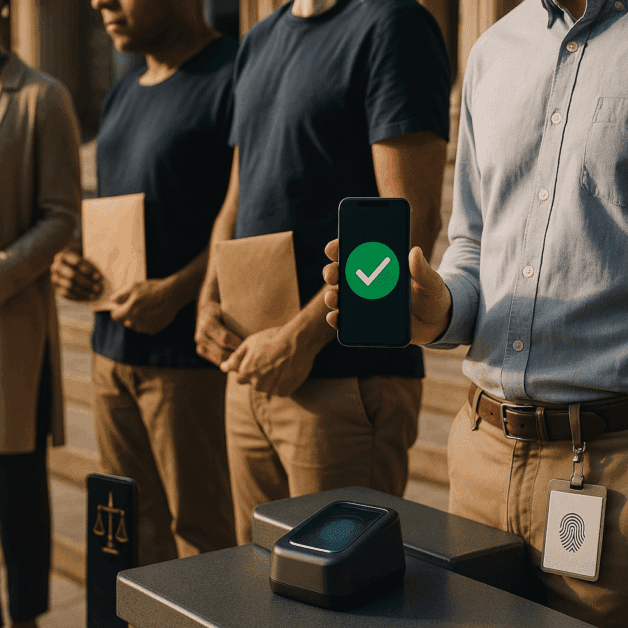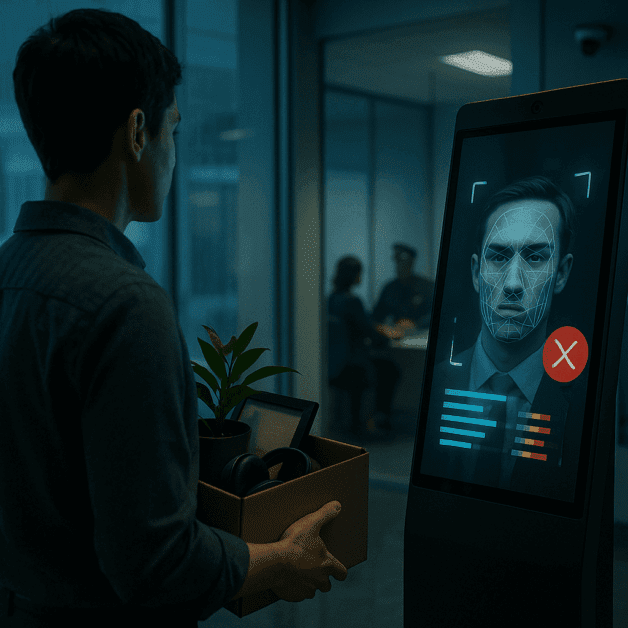
facial recognition

Facial recognition refers to technology that analyzes a person’s face to identify or verify who they are, often by comparing their image to photos in a database. In law, it commonly involves rules about when governments or private companies can collect and use facial data, what consent or notice is required, and how misuse, bias, or security risks are regulated.

Watch: Lawyer Explains Criteria for Taking on Personal Injury Claims

How to Enforce Your Right to Opt Out of AI Model Training Using Illinois Biometric Data Under BIPA in 2026

Illinois residents can seek statutory damages of $1,000 per negligent violation and $5,000 per reckless/intentional violation under the Biometric Information Privacy Act (BIPA). In 2026, that leverage increasingly applies to AI systems trained on “biometric identifiers” or “biometric information,” including face geometry extracted from images and videos. This guide explains how to opt out, preserve […]

How to Enforce Your Right to Opt Out of AI Model Training Using Illinois Biometric Data Under BIPA in 2026 Read More »

Police camera with AI surveillance overlay

The New AI Surveillance Tools Police Are Using — And What You Can Refuse

Police now use at least 5 major AI surveillance tools—facial recognition, ALPR/license-plate readers, predictive policing, social media monitoring, and cell-site simulators—to identify and track people. Many uses require a warrant or your consent, and you can refuse searches, questioning, and phone unlocks in most situations. This article explains the tech, your constitutional rights, and practical

The New AI Surveillance Tools Police Are Using — And What You Can Refuse Read More »

Biometric data privacy lawsuit settlement

The Biometric Privacy Lawsuit That Paid Out $18,000 Per Person

In the Facebook Illinois BIPA class action, eligible claimants received average payouts of about $18,000 per person from a $650 million settlement. The case alleged Facebook collected and used facial recognition biometric data without proper notice and consent under Illinois’ Biometric Information Privacy Act. This article explains how BIPA works, who qualified, and what similar

The Biometric Privacy Lawsuit That Paid Out $18,000 Per Person Read More »

Facial recognition algorithm scanning a human face

Can You Be Fired Because an Algorithm Didn’t Like Your Face?

Yes—facial recognition and AI scoring can factor into termination decisions, and at least 20 U.S. states plus D.C. have biometric privacy laws that may limit such use. If an algorithm triggers firing, employers still must comply with anti-discrimination and privacy rules, and flawed tools can create liability. This article explains when AI-based firing may be

Can You Be Fired Because an Algorithm Didn’t Like Your Face? Read More »

Government controlling AI facial recognition data

Can the Government Delete Your Face From an AI Model? The Surprising Answer

Sometimes—but there is no single U.S. law that guarantees your face can be deleted from an AI model. Deletion depends on the agency, the data source, and applicable state privacy/biometric laws, and trained models often can’t be cleanly “untrained.” This article explains when removal is possible, how to request it, and what legal options exist

Can the Government Delete Your Face From an AI Model? The Surprising Answer Read More »

Scroll to Top