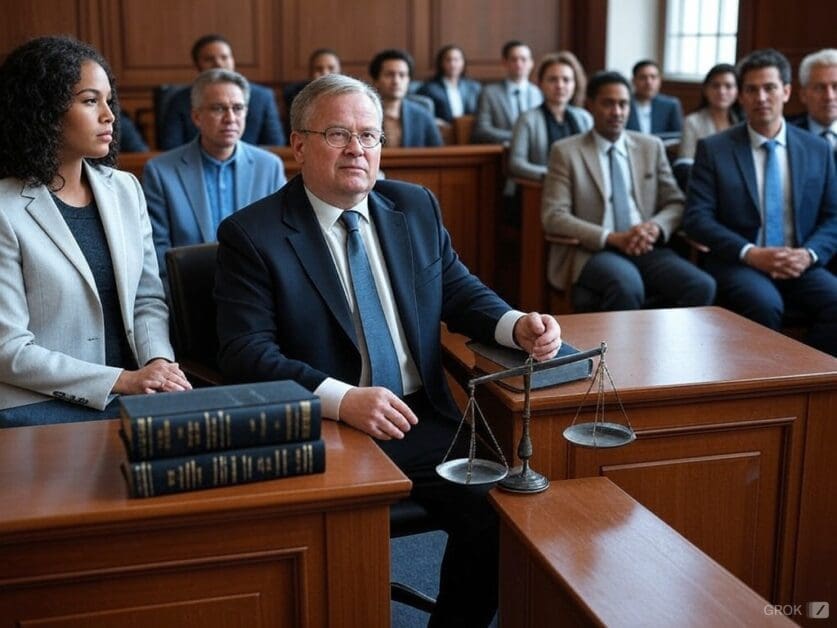
Judicial Discretion

Explore content that delves into the authority granted to judges to make decisions based on their own judgment, within the bounds of the law. Visitors will find articles and video interviews with legal experts discussing how this flexibility impacts sentencing, evidence rulings, and case outcomes. Enhance your understanding of courtroom dynamics through resources that clarify the scope and limitations of judicial authority in the legal process.

Judge's gavel with handcuffs on wooden surface

What is mandatory minimum sentencing?

Mandatory minimum sentencing is a law that requires judges to impose at least a fixed minimum prison term (or other penalty) for certain crimes. It limits judicial discretion by setting a statutory “floor,” often tied to drug, firearm, and repeat-offender offenses. This article explains how mandatory minimums work, which crimes commonly trigger them, key exceptions […]

What is mandatory minimum sentencing? Read More »

Exploring the Complexities of Bail Forfeiture with Legal Experts

How Do Attorneys Challenge Bail Forfeiture Orders?

Bail forfeiture is a critical process in both civil and criminal law that plays a pivotal role in maintaining the integrity of the legal system. When an individual, or a third party on their behalf, posts bail, it serves as a financial commitment to ensure the accused’s appearance in court. However, if the defendant fails

How Do Attorneys Challenge Bail Forfeiture Orders? Read More »

Navigating the Legalities of Bail: A Police Station Scenario

Why Is the Bailable Process Important for Defendants?

In the sphere of criminal law, understanding the bailable process is vital for both legal professionals and those navigating the legal system. This comprehensive article aims to provide an in-depth understanding of the procedures and legal nuances associated with the bailable process. Right to Bail and Initial Steps When a person is arrested, particularly for

Why Is the Bailable Process Important for Defendants? Read More »

Courtroom Analysis of a Bailable Offense Case

Can All Bailable Offenses Avoid Jail Time?

The concept of bailable offenses in criminal law is a pivotal element of the justice system, ensuring fairness and the right to liberty until proven guilty. This expanded discussion delves deeper into the complexities of bailable offenses, their impact on legal proceedings, and the broader implications in the criminal justice system. Understanding Bailable Offenses Bailable

Can All Bailable Offenses Avoid Jail Time? Read More »

Witness Credibility Under Scrutiny

Impeachment of Witnesses: Challenging Credibility in Court

Witness impeachment uses 5 core methods—prior inconsistent statements, bias, character for untruthfulness, contradiction, and sensory or capacity limits—to attack credibility. These tools help juries and judges weigh testimony accurately and expose unreliable accounts. This article explains the rules, tactics, and limits of impeaching witnesses in court. The impeachment of witnesses stands as a cornerstone of

Impeachment of Witnesses: Challenging Credibility in Court Read More »

New Rules in Civil Procedure Alter Results

How are changes in civil procedure affecting case outcomes?

Recent FRCP amendments—most notably the 2015 proportionality changes to Rule 26 and the narrowed spoliation sanctions in Rule 37(e)—are measurably shifting outcomes by reducing discovery costs and limiting sanctions leverage. Courts are enforcing earlier case management and targeted ESI discovery, which can speed settlements or increase dismissal pressure. This article explains the key rule changes

How are changes in civil procedure affecting case outcomes? Read More »

Can Controversy Overturn Court Rulings

Can a decision be overturned simply because it is unpopular or controversial?

No—0 U.S. court decisions can be overturned solely because they are unpopular or controversial. Reversal generally requires legal error, constitutional conflict, new controlling precedent, or proper appellate or legislative action. This article explains how appeals, precedent, and public opinion interact in overturning rulings. The question of whether a judicial decision can be overturned solely based

Can a decision be overturned simply because it is unpopular or controversial? Read More »

Jury Power to Override Legal Decisions

Jury Nullification: When Juries Ignore the Law

Jury nullification occurs when a jury returns a not guilty verdict even though the prosecution proved guilt beyond a reasonable doubt. It’s not a formal legal right jurors are told about, but it can happen because juries generally can’t be punished for verdicts. This article explains what it is, its historical use, and key legal

Jury Nullification: When Juries Ignore the Law Read More »

Tough Penalties for Repeat Offenders

Three Strikes Laws: Harsh Penalties for Repeat Offenders

Three strikes laws typically impose a mandatory sentence of 25 years to life after a third qualifying felony conviction. Enacted widely in the 1990s, these statutes aim to incapacitate habitual offenders but raise concerns about proportionality and fairness. This article explains their origins, how states apply them, and major reforms and criticisms. Three strikes laws

Three Strikes Laws: Harsh Penalties for Repeat Offenders Read More »

Understanding Mandatory Minimum Sentences

Mandatory Minimum Sentences: Navigating Strict Penalties

Mandatory minimum sentences impose fixed prison terms for specific crimes, often preventing judges from reducing penalties below the statutory floor. These laws can sharply increase incarceration exposure based on the charge, drug quantity, or use of a firearm, making early defense strategy critical. This article explains how mandatory minimums work, common triggers and exceptions, and

Mandatory Minimum Sentences: Navigating Strict Penalties Read More »

Scroll to Top