Labor Laws

Explore a comprehensive range of content related to employment regulations, including video interviews with attorneys specializing in workplace rights and detailed articles on wage and hour laws. Visitors will find in-depth resources on topics such as employee discrimination, wrongful termination, and the Family and Medical Leave Act, all designed to enhance understanding of how federal and state labor laws impact both employees and employers. This section serves as an authoritative guide for those seeking clarity on crucial employment legalities without offering specific legal advice.

Workplace rights and labor law documents on desk

Essential Employee Rights: Labor Laws You Must Know

Understanding key labor laws protects workers from unfair treatment. From FLSA minimum wage rules to OSHA safety standards and FMLA leave rights, knowing these laws helps you recognize violations. For complex issues, seek {legal advice}, {attorney consultation}, or {legal representation} from qualified professionals.

Essential Employee Rights: Labor Laws You Must Know Read More »

Band Administrators Tackling Legal Challenges: A Realistic View

Who Handles Licensing for Professional Music Bands?

Licensing for professional music bands is typically handled by a band manager or designated band administrator, often with an entertainment attorney reviewing agreements. They coordinate performance, mechanical, and synchronization rights with PROs, publishers, labels, and venues to keep the band compliant. This article explains the legal responsibilities, risks, and best practices for managing band licensing.

Who Handles Licensing for Professional Music Bands? Read More »

Environmental Law Attorney: When Do You Need One?

Why Is the EEOA Essential for Fair Workplace Treatment?

The Equal Employment Opportunity Act (EEOA) is essential because it strengthens enforcement of anti-discrimination laws and helps ensure employees aren’t denied jobs, promotions, or fair treatment based on protected characteristics. By empowering federal oversight and providing clearer remedies, it promotes consistent, lawful workplace practices. This article explains what the EEOA does, who it protects, key

Why Is the EEOA Essential for Fair Workplace Treatment? Read More »

Corporate Social Responsibility Legal Measures Guide for Ethical Business Practices

What Legal Measures Are in Place for Corporate Social Responsibility?

Corporate social responsibility (CSR) is enforced through a mix of mandatory disclosure laws, sector-specific regulations, and enforcement of duties under corporate, labor, environmental, and anti-corruption rules. Depending on the jurisdiction, companies may also face reporting mandates on ESG risks, supply-chain due diligence requirements, and penalties or civil liability for misleading statements or harmful impacts. This

What Legal Measures Are in Place for Corporate Social Responsibility? Read More »

Combatting Unjust Dismissal in the Workplace

Wrongful Termination: Recognizing and Fighting Back

Wrongful termination occurs when an employer fires you for an illegal reason under federal or state law, an employment contract, or public policy. Common examples include retaliation, discrimination, or whistleblowing. This article explains how to recognize wrongful termination, what evidence to gather, and how to pursue a claim. In the complex landscape of employment law,

Wrongful Termination: Recognizing and Fighting Back Read More »

Steps to Combat Office Harassment

How do I file a complaint about workplace harassment?

To file a workplace harassment complaint, start by documenting incidents and reporting them to your employer’s HR or designated complaint channel, then consider filing with the EEOC (typically within 180 days, or up to 300 days in some states). Acting quickly and following internal procedures can help preserve evidence, trigger an investigation, and protect your

How do I file a complaint about workplace harassment? Read More »

Identify if You've Been Unfairly Dismissed

How do I know if I’ve been wrongfully terminated?

You may have been wrongfully terminated if your firing involved 1 illegal motive—such as discrimination, retaliation, or a contract violation. Warning signs include termination after protected complaints, inconsistent discipline, or reasons that shift over time. This article explains common indicators, key evidence to gather, and when to contact an employment lawyer. Losing your job can

How do I know if I’ve been wrongfully terminated? Read More »

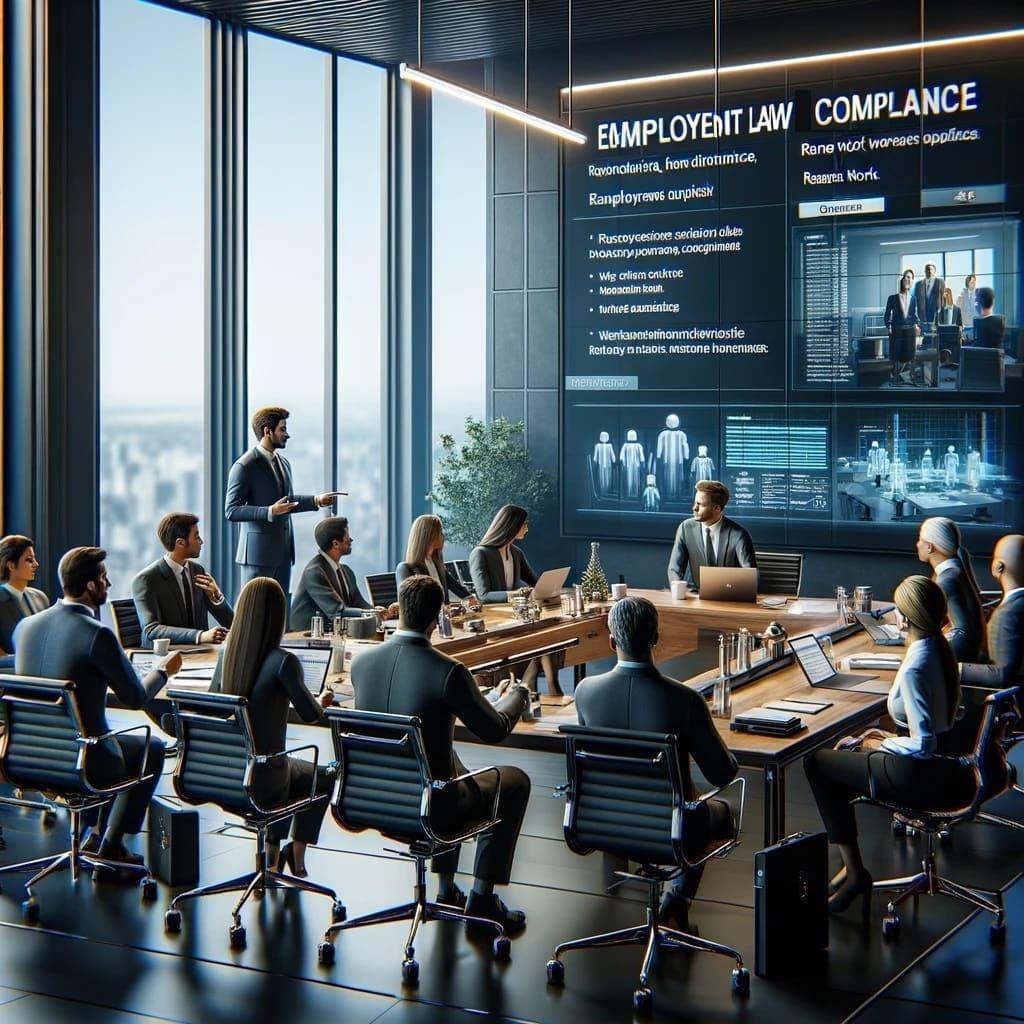
Meeting on Post-Pandemic Employment Law Compliance

Employment Law in the Post-Pandemic Era: Key Changes and Compliance Tips

Post-pandemic employment law now requires employers to update at least 3 core areas: remote work policies, workplace safety protocols, and leave/accommodation compliance. These shifts reflect new guidance and enforcement trends affecting both in-office and distributed teams. This article explains the key legal changes and provides practical compliance tips for businesses. In the wake of the

Employment Law in the Post-Pandemic Era: Key Changes and Compliance Tips Read More »

Scroll to Top