legal proceedings

Explore comprehensive resources covering court processes, including trial procedures, litigation steps, and courtroom protocols. Visitors will find informative articles, video interviews with seasoned attorneys, and detailed explanations of various stages involved in civil and criminal cases. Enhance your understanding of legal processes with expertly curated content designed to clarify complex legal proceedings.

Navigating Legal Complexity: A Visual Representation

What Should Lawyers Know About Background Research?

Lawyers should treat background research as a core case step: gather and verify at least 3 independent sources for every key background fact. Strong background facts give judges and juries essential context without arguing the ultimate legal issue. This article explains what background facts are, where to find them, and how to use them persuasively […]

What Should Lawyers Know About Background Research? Read More »

Legal Defense in Action: Attorney-Client Confidential Consultation

How Your Attorney’s Advice Shields You After Arrest

Attorney advice after an arrest can protect you by invoking your right to remain silent, preventing self-incrimination, and challenging unlawful searches or questioning. From the first police contact, what you say and consent to can shape bail, charging decisions, and the admissibility of evidence. This article explains how legal counsel guides your interactions with law

How Your Attorney’s Advice Shields You After Arrest Read More »

Exploring the Complexities of Bail Forfeiture with Legal Experts

How Do Attorneys Challenge Bail Forfeiture Orders?

Attorneys challenge bail forfeiture orders by filing a motion to set aside/vacate the forfeiture—often within 30–180 days depending on the jurisdiction—and showing good cause or procedural defects. Common arguments include lack of proper notice, a legally excused failure to appear, or surrender/return of the defendant within the statutory window. This article covers key grounds, deadlines,

How Do Attorneys Challenge Bail Forfeiture Orders? Read More »

Expert Legal Consultation on Bail Clause in Action in Court

How Can Attorneys Challenge Unfair Bail Orders?

Attorneys can challenge unfair bail orders by filing a motion to reduce bail and requesting a prompt bail review hearing—often within 24–72 hours, depending on local rules. They can present evidence on ability to pay, flight risk, and community safety, and argue excessive bail under the Eighth Amendment plus state constitutional and statutory standards. This

How Can Attorneys Challenge Unfair Bail Orders? Read More »

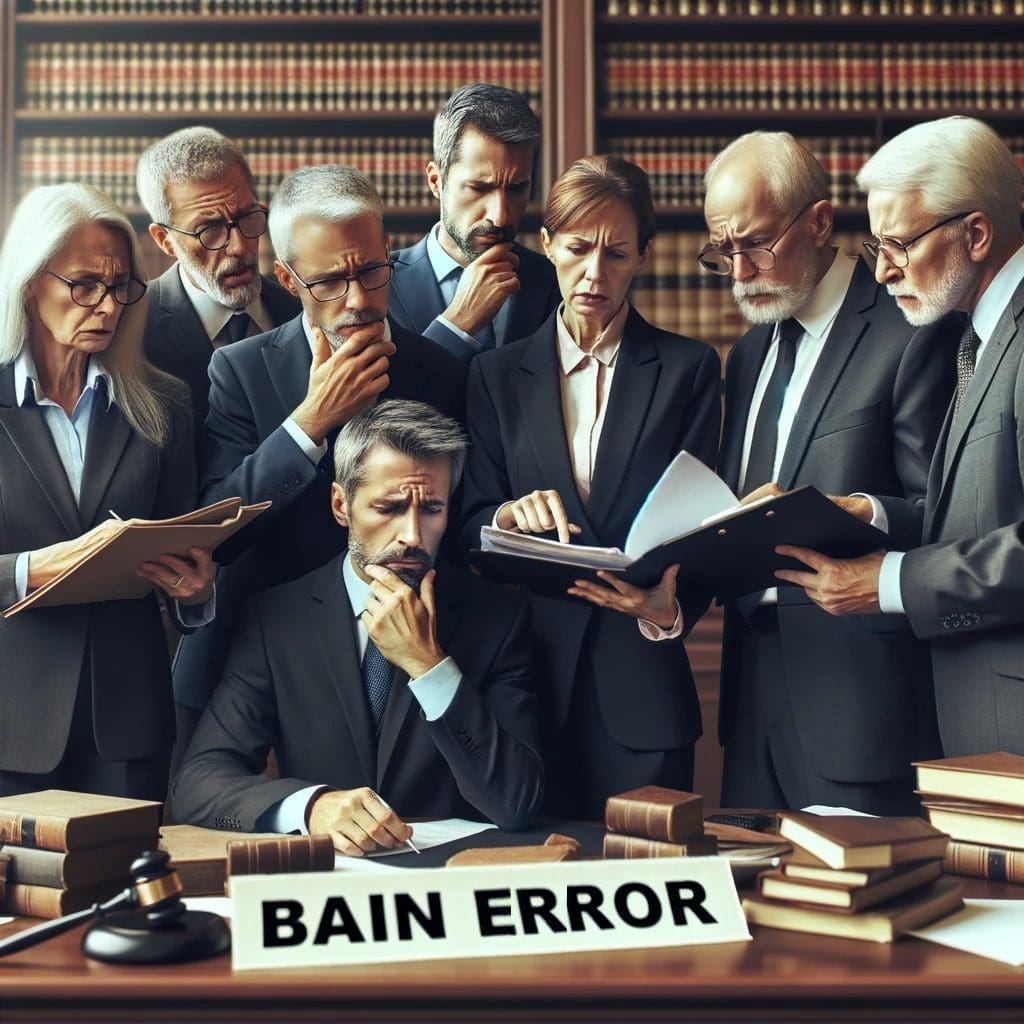
Analyzing Bain Error: A Critical Moment in Criminal Law

How Defense Attorneys Challenge Bain Error on Appeal

Defense attorneys challenge Bain Error on appeal by showing 2 key points: improper prosecutorial vouching occurred and it likely affected the verdict. They cite trial transcripts and controlling precedent to argue prejudice and request reversal, a new trial, or other relief. This article explains the legal standard, preservation issues, and best appellate strategies. In the

How Defense Attorneys Challenge Bain Error on Appeal Read More »

Illustrating the Impact of Arbitrary and Capricious in Judicial Decisions

Arbitrary and Capricious Standard: Complete Guide for Legal Decisions

The arbitrary and capricious standard is a deferential judicial review test requiring agencies to show a rational connection between the facts found and the decision made. Courts typically uphold the action if it considered relevant factors and explained its reasoning, but will vacate decisions that ignore evidence or rely on improper factors. This article defines

Arbitrary and Capricious Standard: Complete Guide for Legal Decisions Read More »

The Pillars of Justice: DAs Upholding Law and Order

Why Are Prosecutors So Important to Fair Trials?

Prosecutors handle the state’s case in 100% of criminal trials, deciding charges, presenting evidence, and meeting constitutional duties. Their disclosure obligations and ethical rules help protect due process and prevent wrongful convictions. This article explains what district attorneys do, how they shape outcomes, and why their role matters to fair trials. In the intricate tapestry

Why Are Prosecutors So Important to Fair Trials? Read More »

The Intricacies of Property Disposition in Trusts and Estates Law

Why Is Disposition Important for Criminal Records?

A disposition is the final outcome of a criminal case on your record—e.g., dismissed, acquitted, or convicted with sentence—and it determines what appears in most background checks. It can also control eligibility for expungement/sealing and future charging or sentencing impacts. This article explains common dispositions, where to find them, and why they matter. In the

Why Is Disposition Important for Criminal Records? Read More »

Legal Term Spotlight: Understanding 'Dismissed With Prejudice

When Does a Dismissal With Prejudice End a Lawsuit?

A dismissal with prejudice ends the lawsuit immediately and permanently—meaning the same claim cannot be refiled in that court. It typically acts as a final judgment and may be appealed, but only rarely can it be reopened (e.g., fraud or lack of jurisdiction). This article explains what it means, when it applies, and the limited

When Does a Dismissal With Prejudice End a Lawsuit? Read More »

A Fresh Start Unfolds: Advocacy and Hope in Bankruptcy Court

Reveals a Judge’s Ultimate Say in Bankruptcy

In bankruptcy, the judge has final authority to approve or deny key actions, even when creditors and the trustee agree. That power affects outcomes on matters like plan confirmation, asset sales, exemptions, and discharge disputes. This article explains where a judge’s discretion is strongest, what standards guide those rulings, and how to position your case

Reveals a Judge’s Ultimate Say in Bankruptcy Read More »

Scroll to Top