legal proceedings

Explore comprehensive resources covering court processes, including trial procedures, litigation steps, and courtroom protocols. Visitors will find informative articles, video interviews with seasoned attorneys, and detailed explanations of various stages involved in civil and criminal cases. Enhance your understanding of legal processes with expertly curated content designed to clarify complex legal proceedings.

Preparation in Action: Legal Team Discussing En Banc Case

What Is En Banc Review: Complete Guide to Appellate Court Proceedings

En banc review is when an appellate court rehearing is decided by all active judges instead of the usual 3-judge panel. It’s typically granted to resolve intra-circuit conflicts or address exceptionally important questions of law. This guide explains when en banc is requested, the standards courts apply, and what it means for precedent and appeals. […]

What Is En Banc Review: Complete Guide to Appellate Court Proceedings Read More »

Explore the Laci Peterson Murder Case: Key Evidence and Trial Outcomes

Inside The Laci Peterson Murder

Laci Peterson, a 27-year-old from Modesto, California, was murdered in 2002, and her husband Scott Peterson was convicted in 2004. The case drew national attention after Laci and her unborn son, Conner, disappeared on Christmas Eve and their remains were later found along the San Francisco Bay. This article explains the timeline, key evidence, major

Inside The Laci Peterson Murder Read More »

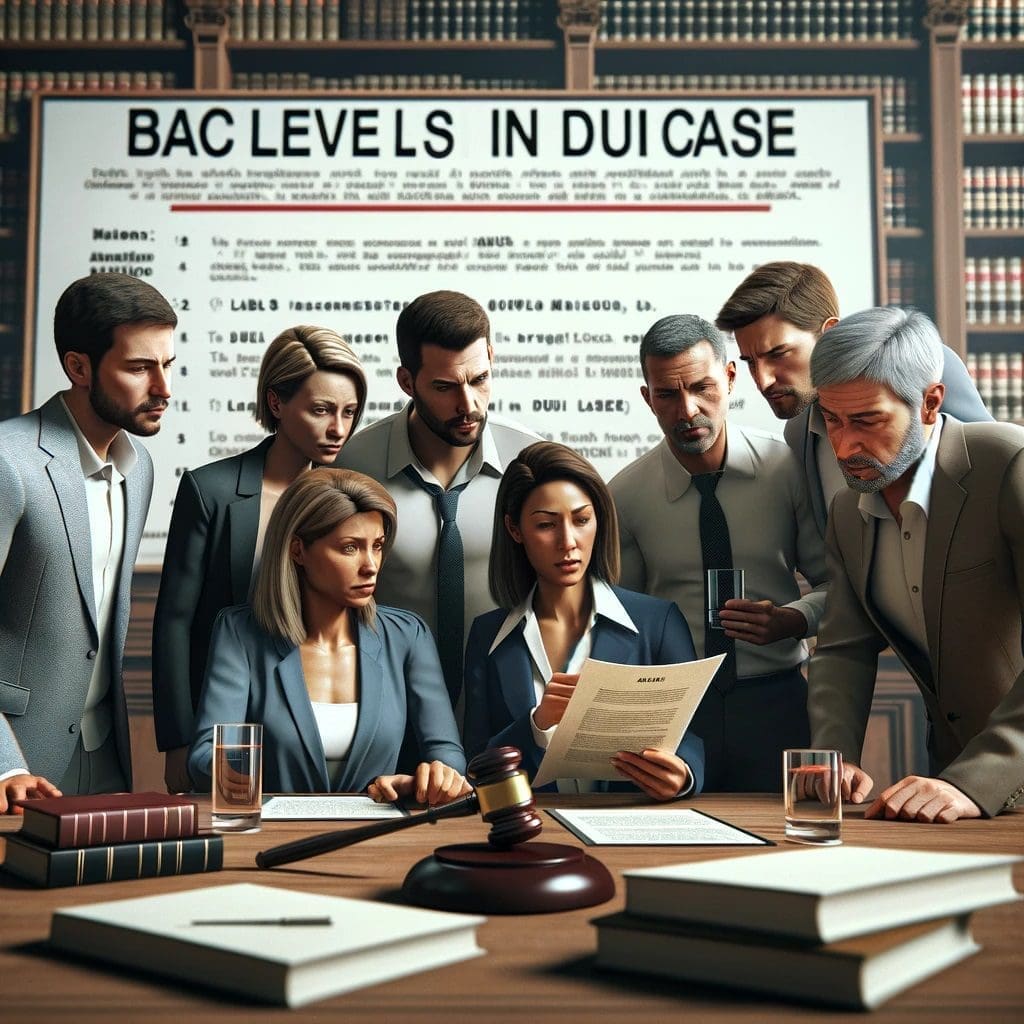
Attorneys Discussing Blood Alcohol Content Implications in Legal Proceedings

How Can You Challenge a High BAC Test?

You can challenge a high BAC test by attacking accuracy factors like calibration records, maintenance logs, chain of custody, and timing—especially around the 0.08% legal limit. Errors in collection, storage, or analysis (or a “rising BAC” after driving) can inflate results. This article explains key BAC rules, common test flaws, and defense strategies used in

How Can You Challenge a High BAC Test? Read More »

Understanding Plea Bargain Negotiations Legally

Plea Bargains: Understanding the Negotiation Process

Plea bargains resolve about 90–95% of U.S. criminal cases without trial. They involve defense and prosecutors negotiating reduced charges, fewer counts, or sentencing recommendations in exchange for a guilty plea, subject to court approval. This article explains how plea bargaining works, key stages, and what defendants should consider before accepting a deal. The plea bargain

Plea Bargains: Understanding the Negotiation Process Read More »

Comparing Arbitration and Litigation in Legal Battles

Arbitration vs. Litigation: Pros and Cons in Legal Disputes

Arbitration is usually faster and more private than litigation, but it typically offers limited discovery and few appeal rights. Litigation provides full procedural safeguards, public precedent, and broader appeals, but often takes longer and costs more. This article compares the key pros and cons to help you choose the best dispute-resolution path. The choice between

Arbitration vs. Litigation: Pros and Cons in Legal Disputes Read More »

Comparing Jury and Bench Trials for Your Case

Jury Trial vs. Bench Trial: Which Is Better for Your Case?

In the U.S., jury trials are usually decided by 6–12 jurors, while bench trials are decided by one judge. A bench trial is often faster and may suit technical disputes, but a jury may be better when credibility and community perspective matter. This article explains key differences, pros/cons, and case factors to guide the choice.

Jury Trial vs. Bench Trial: Which Is Better for Your Case? Read More »

Navigating Your Personal Injury Case Journey

Personal Injury Timeline: What to Expect During Your Case

Most personal injury cases resolve in about 6–18 months, though complex or litigated claims can take 1–3 years. Timing depends on medical treatment, evidence gathering, insurance negotiations, and court schedules. This article walks through each step from the accident through settlement or trial so you know what to expect. The personal injury timeline is a

Personal Injury Timeline: What to Expect During Your Case Read More »

Choosing Your Court Trial Type

Bench Trials vs. Jury Trials: Choosing Your Best Option

Bench trials are decided by a judge alone, while jury trials are decided by a panel of typically 6–12 jurors who must reach a verdict. Your choice can affect everything from trial length and cost to how evidence and credibility are evaluated. This article compares bench vs. jury trials, explains key pros and cons, and

Bench Trials vs. Jury Trials: Choosing Your Best Option Read More »

Criminal Intent in Legal Battle

Mens Rea: Proving Criminal Intent in Court

In most U.S. criminal cases, prosecutors must prove mens rea—one of four mental states: intent, knowledge, recklessness, or negligence—beyond a reasonable doubt. This requirement separates accidental conduct from culpable wrongdoing and can be challenged with evidence of mistake, lack of awareness, or diminished capacity. This article explains mens rea standards, proof methods, and defenses. The

Mens Rea: Proving Criminal Intent in Court Read More »

Courtroom Arraignment Essentials Explained

Arraignment Process: Your First Court Appearance Explained

An arraignment is your first court appearance after an arrest, where the judge reads the charges, advises your rights, takes your plea, and may set bail. It typically happens within 24–72 hours, depending on the jurisdiction and weekends/holidays. This article explains each step, what to bring, and how an attorney can protect you. The arraignment

Arraignment Process: Your First Court Appearance Explained Read More »

Scroll to Top