trial preparation

Discover comprehensive insights and resources on how attorneys meticulously prepare for court proceedings, ensuring they are fully equipped with evidence, strategies, and legal arguments. Visitors will find video interviews with experienced attorneys, in-depth articles, and expert commentary focused on the crucial steps of case analysis, witness preparation, and jury selection—all essential elements for effective courtroom advocacy. This tag provides valuable information for understanding the intricacies of navigating the trial process within the legal system.

What is a Bench Trial? Key Insights and Legal Considerations

When Is a Bench Trial Better Than a Jury Trial?

A bench trial is often better than a jury trial when your case turns on complex legal issues, technical evidence, or sensitive facts that may unfairly sway jurors. Because the judge serves as fact-finder, bench trials can be faster, less expensive, and more predictable in certain disputes. This article explains key differences, when a bench […]

When Is a Bench Trial Better Than a Jury Trial? Read More »

Expert Testimony: Legal Rights and Key Considerations in Court Trials

Understanding Expert Testimony: Legal Rights and Implications in Court Cases

Expert testimony is admissible in court when a qualified specialist’s opinion is relevant and meets reliability standards (commonly the Daubert or Frye test). Courts use these rules to ensure expert evidence helps the judge or jury without relying on unsupported science or speculation. This article explains how experts are qualified and challenged, what rights parties

Understanding Expert Testimony: Legal Rights and Implications in Court Cases Read More »

Understand Your Rights with Ballistics Evidence in Legal Cases

Navigating Ballistics Evidence in Legal Cases: Your Rights

Ballistics evidence is typically admissible only when collected lawfully and preserved through a documented chain of custody. Police generally need a warrant or a valid exception to seize firearms or bullets, and defendants can challenge testing, handling, and expert methods in court. This article explains key rights, proper procedures, and who has authority in ballistics

Navigating Ballistics Evidence in Legal Cases: Your Rights Read More »

Legal Defense in Action: A Courtroom Drama Unfolds

Strategic Defense: Navigating the Complexities of Criminal Defense Law

Criminal defense law ensures every accused person receives a fair trial under constitutional protections like due process and the right to counsel. Defense attorneys challenge evidence, negotiate pleas, and present defenses to reduce or dismiss charges. This article explains core doctrines, defense strategies, and lawyer responsibilities across misdemeanors and felonies. Criminal defense is a cornerstone

Strategic Defense: Navigating the Complexities of Criminal Defense Law Read More »

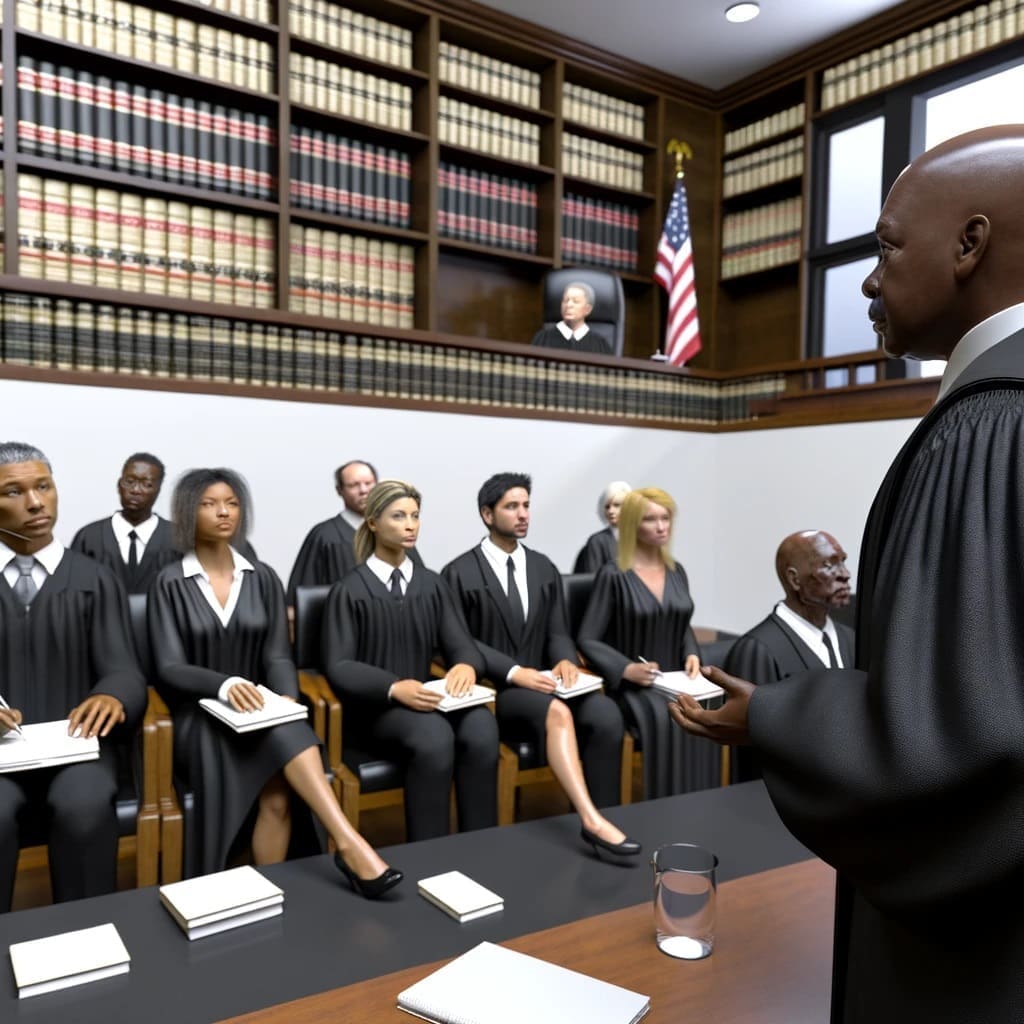
Multi-Ethnic Jury Engages in Critical Deliberation Following Allen Charge

Effective Jury Deliberation Strategies: Utilizing the Allen Charge in Court

The Allen Charge is a judicial instruction used when a jury reports it is deadlocked after substantial deliberations to encourage continued discussion toward a unanimous verdict. Judges must deliver it in a balanced, non-coercive way to protect juror independence and avoid reversible error. This article explains when it’s given, how it’s worded, and the legal

Effective Jury Deliberation Strategies: Utilizing the Allen Charge in Court Read More »

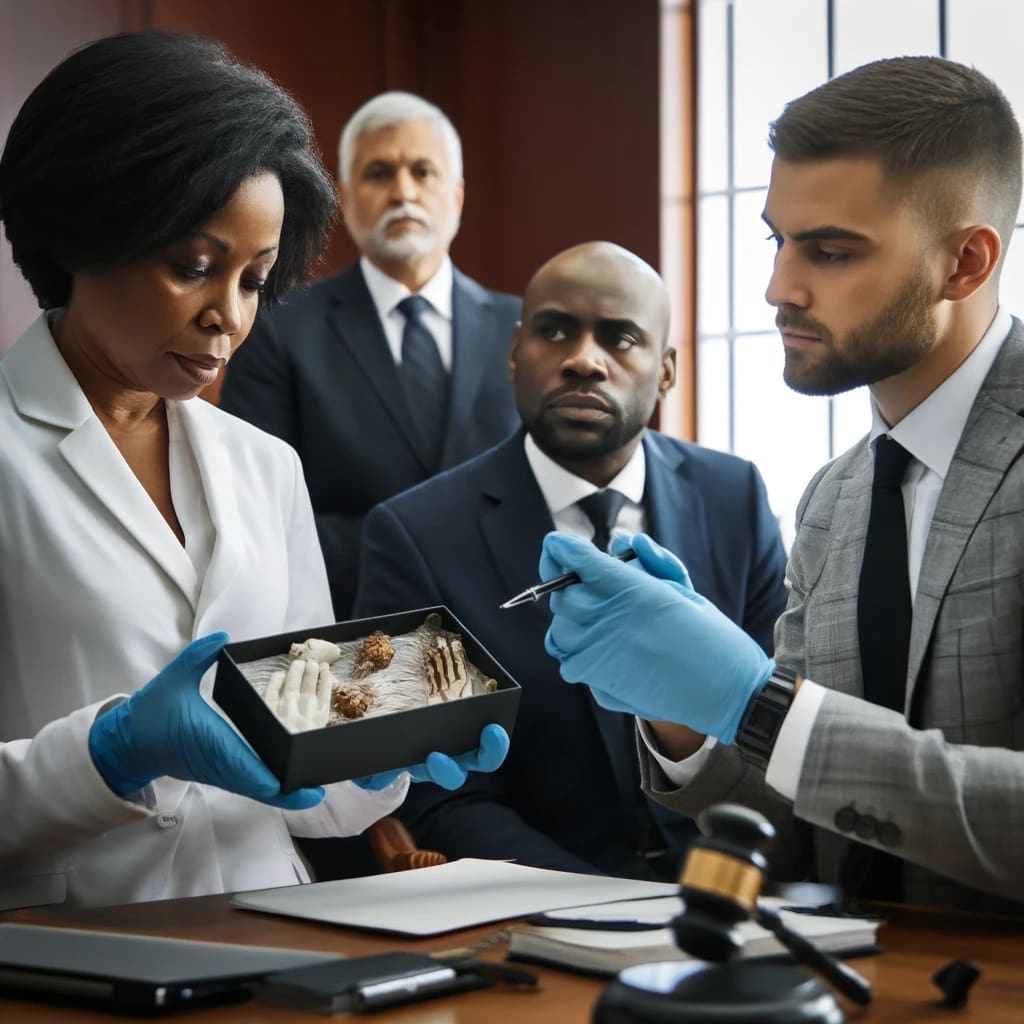
Forensic Expert Explains Evidence at High-Stakes Trial

Navigating the Intricacies of Admissible Evidence in Legal Proceedings

Admissible evidence is proof a court allows because it meets rules of relevance and reliability, and avoids exclusions like hearsay or improper privilege. Judges apply evidence codes and case law to decide what the jury may hear, often through pretrial motions and in-court objections. This article explains the main categories, standards, and common challenges to

Navigating the Intricacies of Admissible Evidence in Legal Proceedings Read More »

Swear To Tell The Truth

This guide lists 16 must-follow do’s and don’ts for testifying on the witness stand. It explains how careful preparation and disciplined answering can protect credibility and reduce cross-examination damage. It covers essentials like listening to the question, staying calm, and following counsel’s advice before and during testimony. The 16 Most Important Things To Do –

Swear To Tell The Truth Read More »

Scroll to Top