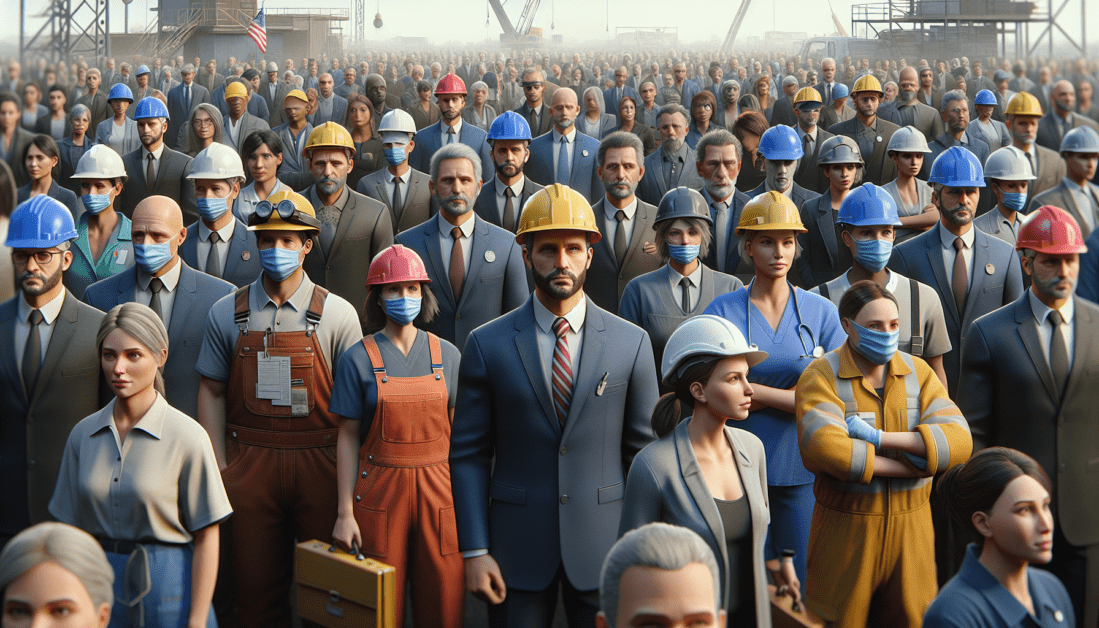
Workplace Discrimination

Explore a range of informative resources addressing various aspects of unlawful treatment in employment settings, including video interviews with employment law attorneys and detailed articles on employee rights. Understand key legal concepts such as harassment, wrongful termination, and equal employment opportunity, all crafted to enhance your knowledge about legal protections against bias in the workplace. This authoritative content is designed to help you navigate the complexities of employment discrimination without offering specific legal advice.

Stressed employee facing workplace hostility

What is hostile work environment?

A hostile work environment exists when unwelcome conduct based on a protected characteristic is so severe or pervasive that it alters the conditions of employment. It’s more than rude behavior—it typically involves ongoing harassment or discrimination that interferes with work or creates an intimidating, offensive, or abusive atmosphere. This article explains the legal definition, examples, […]

What is hostile work environment? Read More »

Diverse employees facing workplace discrimination

What is workplace discrimination?

Workplace discrimination is illegal under U.S. federal law when an employee is treated unfairly because of a protected trait, including race, sex, age (40+), or disability. It can affect hiring, pay, promotions, job assignments, harassment, or termination, and workers may file agency complaints or lawsuits. This article explains protected classes, common forms of discrimination, and

What is workplace discrimination? Read More »

Employee being dismissed from office desk

What is wrongful termination?

Wrongful termination is when an employer fires you for an illegal reason, such as discrimination or retaliation, despite at-will employment rules. Federal and state laws and, sometimes, contracts or company policies can limit when a firing is lawful. This article explains the definition, common illegal reasons, and steps to protect your rights. Wrongful termination happens

What is wrongful termination? Read More »

Workplace rights and labor law documents on desk

Essential Employee Rights: Labor Laws You Must Know

Understanding key labor laws protects workers from unfair treatment. From FLSA minimum wage rules to OSHA safety standards and FMLA leave rights, knowing these laws helps you recognize violations. For complex issues, seek {legal advice}, {attorney consultation}, or {legal representation} from qualified professionals.

Essential Employee Rights: Labor Laws You Must Know Read More »

Adapting to Change: Employment Law in the Age of Digital Transformation

Why Is Compliance So Important in Employment Law?

Employment law compliance is critical because violations can trigger government penalties, back pay, and costly lawsuits. Staying compliant also reduces discrimination and wage-hour risk while improving workplace safety and trust. This article explains core employment law requirements, common compliance pitfalls, and practical steps employers can take to meet legal standards. In today’s dynamic workplace environment,

Why Is Compliance So Important in Employment Law? Read More »

Environmental Law Attorney: When Do You Need One?

Why Is the EEOA Essential for Fair Workplace Treatment?

The Equal Employment Opportunity Act (EEOA) is essential because it strengthens enforcement of anti-discrimination laws and helps ensure employees aren’t denied jobs, promotions, or fair treatment based on protected characteristics. By empowering federal oversight and providing clearer remedies, it promotes consistent, lawful workplace practices. This article explains what the EEOA does, who it protects, key

Why Is the EEOA Essential for Fair Workplace Treatment? Read More »

Understand Your Rights After Wrongful Termination

Wrongful Termination: Know Your Rights and Options

Wrongful termination occurs when an employee is fired for an illegal reason, such as discrimination, retaliation, or breaching an employment contract. Proof often relies on timelines, written records, and comparisons to how others were treated. This article explains common types, warning signs, evidence to gather, and legal remedies. In the complex landscape of employment law,

Wrongful Termination: Know Your Rights and Options Read More »

Championing Rights Against Unfair Workplace Treatment

Workplace Discrimination Attorney: Fighting Unfair Treatment

A workplace discrimination attorney can help you pursue remedies under federal laws like Title VII, which applies to employers with 15+ employees. They assess evidence, meet filing deadlines (often 180–300 days for an EEOC charge), and negotiate or litigate for damages and reinstatement. This article explains discrimination types, attorney roles, and key 2025 legal trends.

Workplace Discrimination Attorney: Fighting Unfair Treatment Read More »

Empowering Gig Workers with Legal Knowledge

Video – Gig Economy Workers: Understanding Your Legal Rights

Gig workers are often classified as independent contractors, meaning most don’t receive benefits like minimum wage, overtime, or unemployment insurance. However, misclassification laws and local rules can grant protections depending on your work and control level. This article explains key rights, common disputes, and how to protect or enforce your claims. In recent years, the

Video – Gig Economy Workers: Understanding Your Legal Rights Read More »

Combatting Age Bias at Work Legal Rights and Actions

Age Discrimination at Work: Legal Protections and Remedies

Age discrimination at work is illegal for employees and job applicants age 40 and older under the federal Age Discrimination in Employment Act (ADEA). Many states extend protections to younger workers, additional employers, and broader workplace practices beyond hiring and firing. This article explains what counts as age discrimination, how to prove it, deadlines for

Age Discrimination at Work: Legal Protections and Remedies Read More »

Scroll to Top