
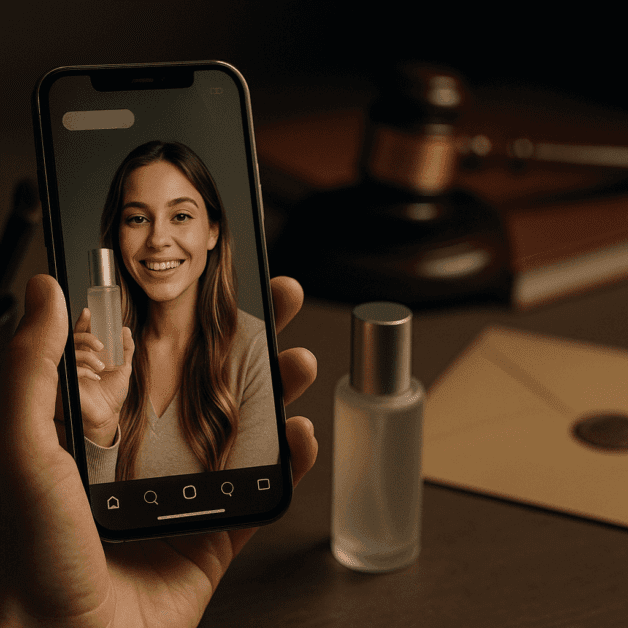
The $1,000 Fine for Not Labeling This One Thing in Your Next Instagram Ad
You can face civil penalties up to $1,000 for failing to clearly label an Instagram post as a paid ad or sponsored partnership. The FTC requires “clear and conspicuous” disclosures (like “Ad” or “Paid partnership”) when there’s a material connection, and missing labels can trigger enforcement. This article explains what must be labeled, how to disclose, and how to avoid common compliance errors.
What You Don’t Label Could Cost You Big
Imagine posting what you think is a simple Instagram photo, only to find out weeks later that you owe up to $1,000 in fines — or even more. Sounds extreme, right? But this is exactly the kind of situation that thousands of content creators and brands are walking into every single day. The reason? Failing to properly label paid partnerships and sponsored content.
The rules around advertising on social media are not new, but many people still don’t fully understand them. The Federal Trade Commission, better known as the FTC, has made it crystal clear: if you are being paid — in cash, free products, discounts, or any other benefit — to promote something online, you must say so. And you must say it in a way that people can actually see and understand.
Understanding the FTC Regulations
The FTC has been regulating advertising in the United States for decades. Their main goal is simple: make sure consumers know when they are being sold to. When the internet and social media changed how advertising works, the FTC updated its rules to keep up.
The key document guiding all of this is the FTC’s Endorsement Guides. These guides were most recently updated in 2023, and they now specifically address influencer marketing, social media posts, and online reviews. The message is straightforward — if there is a connection between you and a brand that could affect how people view your recommendation, that connection must be disclosed clearly.
Here are some situations that require a disclosure according to FTC regulations:
- You received payment to post about a product or service
- You were given free products in exchange for a review or mention
- You have a family or personal relationship with a brand you are promoting
- You are an employee or part-owner of the company you are recommending
- You received a discount or other benefit tied to your promotion
What surprises many people is that even receiving a free gift without being asked to post about it can still require a disclosure if you choose to share it online.
The One Thing You Absolutely Must Label
The specific thing that can trigger a fine is any paid partnership or sponsored content on Instagram that is not clearly labeled as an advertisement. This means if a brand pays you — or gives you anything of value — to post on Instagram, that post needs to have a clear and obvious disclosure.
Instagram does offer a built-in “Paid Partnership” label that appears right below your username on a post. However, simply using that feature is not always enough on its own. The FTC wants disclosures that are easy to understand for the average person. Labels like “partner,” “collab,” or even “sp” are considered too vague or confusing.
The only language the FTC considers clear enough includes:
- #ad
- #sponsored
- Paid advertisement
- “This is a paid promotion”
These labels must appear at the beginning of your post caption — not buried at the end, not hidden among a wall of hashtags, and not placed somewhere people would have to scroll or tap to see.
How Much Are the Fines, Really?
Here is where things get serious. Under FTC rules, individual violations can result in civil penalties of up to $51,744 per violation. But for influencers and smaller creators, fines in the range of $1,000 to $10,000 per post are more commonly discussed in enforcement actions and warning letters.
For brands and companies, the fines can be much steeper. Some high-profile cases have resulted in settlements worth millions of dollars. The FTC has the power to fine both the influencer and the brand that hired them, meaning the responsibility is shared.
Even if you never face an actual fine, being caught violating FTC regulations can lead to:
- Public warning letters that can damage your reputation
- Being banned or suspended from brand partnership programs
- Legal trouble from the brand you were working with
- Loss of trust from your audience, which is hard to rebuild
Why Instagram Rules Are Not Enough on Their Own
Many creators assume that using Instagram’s built-in “Paid Partnership” tag is all they need to do to stay compliant. The truth is more complicated than that.
Instagram’s advertising compliance tools were designed to work alongside FTC rules, not replace them. While using the platform’s paid partnership feature is a good start, it does not guarantee that your post meets FTC standards. The FTC looks at the full picture — including where the disclosure appears, how visible it is, and whether the average viewer would clearly understand it.
Instagram Stories, Reels, and live videos all come with their own set of challenges. For Stories, the disclosure needs to appear on screen long enough for viewers to actually read it. For Reels, verbal disclosures said at the beginning of the video combined with on-screen text are recommended. Simply flashing a small text tag for half a second does not cut it.
Common Mistakes Influencers Make
Even well-intentioned creators make mistakes when it comes to influencer disclosure. Here are some of the most common ones:
- Using vague language: Tags like “collab,” “partner,” or “sp” are not considered clear enough by the FTC.
- Hiding disclosures in hashtags: Putting #ad at the end of a long list of hashtags makes it easy to overlook.
- Only disclosing in the bio: A disclosure in your profile bio does not count for individual sponsored posts.
- Not disclosing gifted items: Even if you weren’t paid cash, receiving free products still requires a disclosure when you post about them.
- Forgetting about Stories: Instagram Stories are just as subject to FTC rules as regular posts.
- Assuming the brand will handle it: The FTC holds both the influencer and the brand responsible. You cannot outsource this obligation.
What Brands Need to Know
If you are a business that works with influencers, you carry just as much responsibility as the creators themselves. The FTC expects brands to educate the influencers they hire, include disclosure requirements in their contracts, and monitor the content that is posted on their behalf.
Companies that ignore this responsibility have faced significant FTC enforcement actions. In several well-known cases, brands were required to pay large sums and implement company-wide compliance programs simply because they failed to properly instruct their influencer partners.
Best practices for brands include:
- Including clear disclosure language requirements in every influencer contract
- Reviewing influencer posts before and after they go live
- Providing influencers with easy-to-use templates and guidance
- Keeping records of all agreements and communications with influencers
How to Stay Compliant Without Hurting Your Content
A lot of creators worry that adding a disclosure will make their content feel less authentic or turn off their audience. The good news is that most people actually appreciate honesty. Studies have shown that followers tend to trust influencers more — not less — when they are upfront about paid partnerships.
Here are some simple and natural ways to include disclosures without it feeling forced:
- Start your caption with “Ad:” or “#ad” right at the beginning
- Say it naturally in the first few seconds of a video, such as “This video is sponsored by…”
- Use on-screen text in Stories and Reels that stays visible long enough to read
- Combine the platform’s paid partnership tag with a written disclosure in your caption
Being transparent with your audience does not have to disrupt your style or voice. It just needs to be clear, honest, and placed where people will actually see it.
The FTC Is Paying Attention
Some creators still believe that the FTC only goes after big names or that small accounts fly under the radar. This way of thinking is becoming more dangerous as the FTC ramps up its enforcement efforts.
In recent years, the FTC has sent warning letters to hundreds of influencers across various industries, including fashion, beauty, fitness, and finance. These letters are not just a slap on the wrist — they are official notices that can lead to formal investigations and fines if the behavior continues.
The FTC also accepts consumer complaints, which means your audience, your competitors, or even a disgruntled brand could report you. You do not need to have millions of followers to end up on the FTC’s radar.
Final Thoughts on Advertising Compliance
The world of social media advertising moves fast, but the rules around honesty and transparency are not going anywhere. If anything, they are getting stricter. Whether you are a full-time influencer, a small business owner, or someone who occasionally shares brand partnerships online, understanding and following FTC regulations is not optional — it is the law.
The cost of a single unlabeled Instagram ad is not worth the fine, the reputation damage, or the legal headache that can follow. A simple #ad at the start of your caption takes two seconds to add. That two seconds could save you thousands of dollars and a whole lot of trouble.
Stay informed, stay honest, and make sure every paid partnership you share is clearly labeled. Your audience will respect you for it, and the FTC certainly expects it.














