
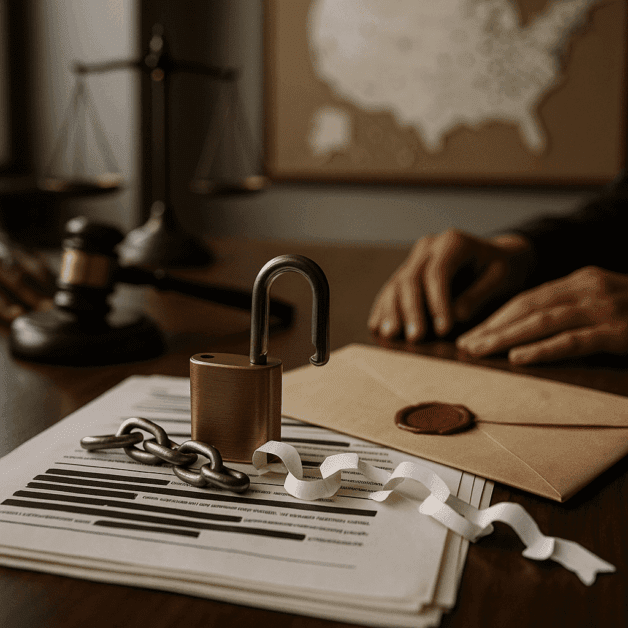
Why NDA Clauses on Harassment Are Unenforceable in 14 States
NDA clauses covering harassment are unenforceable or heavily restricted in 14 states. These laws limit “gag clauses” that hide harassment allegations, especially in employment and settlement agreements. This article explains which restrictions apply, key exceptions, and what parties should do before signing.
What You Need to Know About NDAs and Harassment Laws
Non-disclosure agreements, commonly known as NDAs, have been a standard tool in legal settlements for decades. Companies and individuals use them to keep the details of disputes private. But when it comes to harassment cases, the rules around NDAs have changed significantly in recent years. Today, 14 states have laws that make NDA clauses on harassment either fully unenforceable or heavily restricted. If you have been involved in a harassment case or are navigating an employment law dispute, understanding these protections could make a real difference.
Why NDAs in Harassment Cases Became Such a Big Problem
For a long time, NDAs were used to silence victims of workplace harassment. When a company settled a harassment claim, the settlement agreement almost always included a clause requiring the victim to stay quiet. This meant that the same harasser could continue their behavior with new victims who had no way of knowing what had happened before.
The #MeToo movement, which gained widespread attention starting in 2017, brought this problem into public view. High-profile cases showed how powerful individuals and corporations used NDAs to cover up repeated patterns of harassment. Lawmakers across the country took notice and began pushing for change in both state and federal employment law.
The Federal Foundation: SPEAK OUT Act and Tax Code Changes
Before diving into the state-level rules, it helps to understand what happened at the federal level. Two major changes set the stage for state laws to follow:
- The SPEAK OUT Act (2022): This federal law limits the enforceability of pre-dispute NDAs in cases involving sexual harassment and sexual assault. It means that if an NDA was signed before any dispute arose, it cannot be used to silence someone who later comes forward with a harassment claim.
- Tax Code Changes (Section 162(q)): Changes made to the federal tax code in 2017 removed tax deductions for settlements related to sexual harassment when those settlements included NDAs. This made it financially less appealing for companies to use NDAs in harassment settlements.
These federal measures were important steps, but they did not go as far as many advocates wanted. That is where state laws came in to fill the gaps.
The 14 States With Strong NDA Restrictions on Harassment
As of now, 14 states have passed laws that go further than federal rules in restricting or banning NDA clauses in harassment-related settlements. These states include:
- California
- New York
- Illinois
- Washington
- New Jersey
- Maryland
- Vermont
- Nevada
- Maine
- Hawaii
- Louisiana
- Arizona
- Oregon
- Tennessee
The specific rules vary from state to state, but the common thread is that they all place meaningful limits on how non-disclosure agreements can be used when harassment is involved.
What Makes These NDA Clauses Unenforceable?
The reasons these NDA clauses are considered unenforceable vary depending on the state, but several common legal principles apply across most of these laws:
1. Public Policy Violations
Courts and lawmakers have increasingly found that using NDAs to silence harassment victims goes against public policy. When a legal agreement harms the public interest, it can be struck down even if both parties signed it willingly. Protecting people from serial harassers is seen as a matter of public safety and welfare.
2. Lack of Voluntary Consent
Many harassment victims feel pressured to sign NDAs as a condition of receiving any settlement money at all. When consent is not truly free, the agreement may not hold up in court. Some state laws now specifically address this by requiring that victims have time to review any agreement and consult with a lawyer before signing.
3. Broad Scope of Coverage
Several states have expanded harassment law protections beyond just sexual harassment. Some laws now cover discrimination based on race, gender, religion, disability, and other protected characteristics. This wider scope means more NDA clauses fall under the umbrella of unenforceable settlement restrictions.
4. Pre-Dispute vs. Post-Dispute Agreements
Many state laws specifically target pre-dispute NDAs — agreements signed before any complaint has been made. The idea is that no one should be required to give up their right to speak about potential future harassment as a condition of employment or any other relationship.
How California Leads the Way
California has some of the strongest employment law protections in the country when it comes to NDAs and harassment. Under California law, NDAs that prevent someone from discussing harassment, discrimination, or retaliation in the workplace are not enforceable. The state also prohibits employers from requiring employees to sign such agreements as a condition of employment or of receiving a raise or promotion.
California’s law also protects a person’s ability to speak with law enforcement, government agencies, or a lawyer about harassment, regardless of what any NDA says. This means that even if someone signed an NDA, they can still report illegal behavior without fear of being sued for breaking the agreement.
New York’s Approach to Settlement Restrictions
New York took strong action following several high-profile harassment cases in the state. Under New York law, NDA clauses in harassment settlements are void and unenforceable unless the victim themselves chooses to include a confidentiality clause. In other words, the victim gets to decide whether the settlement is kept private — not the accused party or the company.
New York law also requires a waiting period before any settlement agreement with an NDA clause can be finalized. This gives the victim time to think clearly and consult with legal counsel before agreeing to stay silent.
What This Means for Employees and Employers
If you are an employee who has experienced harassment, these laws give you real power. Here is what you should keep in mind:
- An NDA you signed before any harassment occurred may not prevent you from speaking out.
- Even if you signed an NDA as part of a settlement, your state’s law may make that clause invalid.
- You generally still have the right to report harassment to government agencies like the Equal Employment Opportunity Commission (EEOC), regardless of any NDA.
- Consulting with an employment law attorney in your state is the best way to understand your specific rights.
For employers, these laws signal a clear direction in how harassment law is evolving. Trying to use NDAs to cover up workplace misconduct is not only becoming legally risky — it can also lead to serious reputational damage if the strategy backfires.
Common Misconceptions About NDAs and Harassment
There is a lot of confusion around this topic, so it helps to clear up some of the most common misunderstandings:
Myth: Signing an NDA means you can never talk about what happened.
Reality: In many states, NDA clauses related to harassment are simply not enforceable, even if you signed them. You may have more freedom to speak than you think.
Myth: Only sexual harassment is covered by these laws.
Reality: Many state laws cover a wide range of harassment and discrimination, including cases involving race, gender identity, age, disability, and religion.
Myth: NDAs are always bad in harassment cases.
Reality: Some victims actually prefer confidentiality for personal reasons, such as protecting their privacy. The key difference is that the choice should belong to the victim, not the company or the accused.
The Bigger Picture: Where Harassment Law Is Headed
The trend is clear. More states are expected to pass similar laws in the coming years, and there are ongoing efforts to strengthen federal protections as well. The goal is to make sure that non-disclosure agreements are used fairly — as tools for legitimate privacy protection, not as weapons to silence victims.
Public awareness has grown significantly, and lawmakers are responding to that pressure. As more people understand their rights under current employment law, the power of improperly used NDAs continues to shrink.
Final Thoughts
Non-disclosure agreements still serve a legitimate purpose in many legal situations. But using them to silence harassment victims is increasingly being treated as both illegal and unacceptable. If you live in one of the 14 states with strong restrictions on NDA clauses in harassment cases, you may have far more rights than you realize.
Whether you are an employee trying to understand your options or an employer looking to stay on the right side of the law, staying informed about these settlement restrictions and employment law changes is essential. When in doubt, speaking with a qualified attorney who specializes in harassment law is always the best first step.














