criminal investigation

Explore a comprehensive collection of resources delving into the intricacies of how criminal cases are investigated by law enforcement, including video interviews with experienced criminal defense attorneys and articles detailing the stages of criminal investigations. Visitors will gain insights into the role of evidence, the procedures of law enforcement agencies, and the rights of individuals under investigation. This section is an essential hub for understanding the legal processes that occur during the investigation phase of criminal proceedings.

Expert Defense Attorney for Embezzlement and Fraud White Collar Crimes

White Collar Crime Defense Attorney: Embezzlement & Fraud Cases

Embezzlement and fraud charges can carry years in prison plus restitution and heavy fines if convicted. A white collar defense attorney can challenge financial records, intent, and prosecutorial assumptions while negotiating to reduce or dismiss charges. This article explains key defenses, investigation steps, and what to expect in federal and state cases. Navigating the complex […]

White Collar Crime Defense Attorney: Embezzlement & Fraud Cases Read More »

From Investigation to Formal Indictment

Indictment Process: From Investigation to Formal Charges

An indictment is a formal criminal charge approved by a grand jury, typically requiring agreement from at least 12 of 23 jurors in federal cases. Prosecutors present evidence to show probable cause, and the accused usually has limited ability to participate at this stage. This article explains the steps from investigation through grand jury proceedings

Indictment Process: From Investigation to Formal Charges Read More »

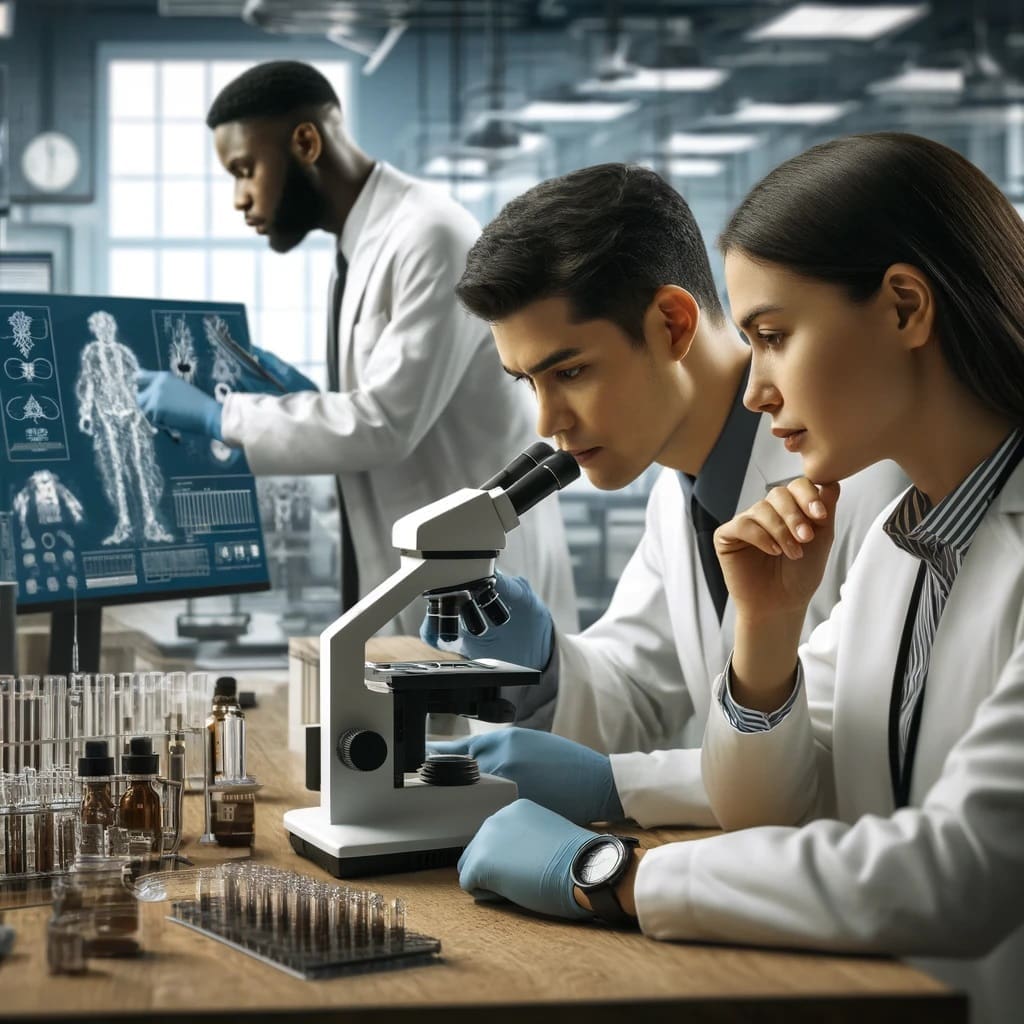
Cutting-Edge Forensic Science: Experts Conduct DNA Analysis in Lab

Exploring the Critical Role of Forensics in Modern Law Enforcement

Forensic science helps law enforcement identify suspects, connect people to crime scenes, and verify events using physical and digital evidence. By applying methods like DNA profiling, fingerprint analysis, toxicology, and digital forensics, investigators can strengthen cases while reducing reliance on unreliable testimony. This article explains how modern forensic techniques work, where they are used in

Exploring the Critical Role of Forensics in Modern Law Enforcement Read More »

Sketch Cops

Sketch cops are police artists who create suspect likenesses from witness descriptions to help identify and locate offenders. Their drawings can generate investigative leads, support photo lineups, and sometimes become evidence discussed in court. This article explains what sketch cops do, how sketches are produced and used in investigations, and the legal issues around accuracy,

Sketch Cops Read More »

DNA GOES TO COURT – ll

DNA has been used in law enforcement since 1985 to identify individuals through unique genetic profiles. In court, it can strongly link a suspect to evidence, but experts still dispute interpretation, lab practices, and statistical certainty. This article reviews those debates and how DNA testimony impacts criminal prosecutions. Second Of A Three-Part Series By John

DNA GOES TO COURT – ll Read More »

DNA Gets Criminal

DNA became a near-certain identification tool in 1985 when it helped identify Josef Mengele’s remains. The article explains how DNA evidence quickly expanded from scientific labs into criminal investigations and courtroom proof. This first installment traces early milestones and sets up a three-part series on DNA’s legal impact. First Of A Three-Part Series By John

DNA Gets Criminal Read More »

DNA Goes To Court

DNA evidence is now used in thousands of court cases each year, often providing strong identification when collected and analyzed correctly. But its power depends on lawful collection, reliable lab methods, and clear presentation that avoids overstating matches. This article explains how DNA enters a case, common challenges to admissibility and interpretation, and what judges

DNA Goes To Court Read More »

Scroll to Top