Criminal Justice

<a href="https://attorneys.media"><img class="aligncenter size-full wp-image-32437" src="http://attorneys.media/wp-content/uploads/2023/12/Criminal-Justice.jpg" alt="Inside the Courtroom: A Glimpse into the Criminal Justice Process" width="1024" height="1024" /></a> <h4><strong>Criminal Justice: A Comprehensive Legal Guide</strong></h4>   The <strong>criminal justice</strong> system represents a complex network of legal institutions and processes aimed at maintaining social control, deterring crime, and sanctioning those who violate laws with criminal penalties and rehabilitation efforts. Understanding this system is crucial for anyone involved in legal matters or interested in criminal law. At the heart of criminal justice is the principle of fairness. The system is designed to ensure that justice is served while respecting the rights of the accused. This involves a meticulous legal process, from investigation and arrest to trial and sentencing. A key component of criminal justice is the legal representation of the accused. The right to an attorney is fundamental, ensuring that individuals have access to legal advice and advocacy. Criminal defense attorneys play a vital role in the system, representing their clients' interests and ensuring that their rights are protected. The prosecution, on the other hand, represents the state or community in bringing charges against the accused. Their role is to prove beyond a reasonable doubt that the accused committed the crime. This process is critical in ensuring that justice is served while upholding the rights of the accused. Another critical aspect is the trial process. Trials in the criminal justice system are designed to be fair and impartial, with a jury of peers or a judge determining the guilt or innocence of the accused based on the evidence presented. In conclusion, the criminal justice system is a cornerstone of a democratic society, ensuring that laws are upheld and rights are protected. Whether you are a legal professional, a student, or simply someone interested in the law, understanding this system is essential for navigating legal challenges and contributing to a just society. Moreover, the criminal justice system includes various stages, each with its own legal significance. The investigation process, often involving law enforcement agencies, is the first step in determining whether a crime has been committed. Following this, the arrest and charging process initiates formal legal proceedings. The role of the judiciary in criminal justice cannot be overstated. Judges oversee the legal process, ensuring that the law is applied fairly and consistently. They make crucial decisions regarding bail, trial proceedings, and sentencing, among other aspects. Sentencing in criminal justice serves multiple purposes: punishment, deterrence, rehabilitation, and restitution. The nature of the sentence often depends on the severity of the crime, the defendant's criminal history, and the circumstances of the case. Lastly, the correctional system plays a role in the rehabilitation of offenders. It includes incarceration, probation, and parole, each aimed at reintegrating individuals into society as law-abiding citizens. In summary, the criminal justice system is a multifaceted and dynamic entity, central to the functioning of the legal system and the maintenance of social order.

86 posts

How to Appeal Back-to-Back Life Sentences

How to Appeal Back-to-Back Life Sentences

You can appeal back-to-back life sentences, but you must act fast—most states impose strict deadlines, often as short as 30 days after sentencing. These consecutive life terms are commonly challenged for legal error, constitutional violations, or improper sentencing procedures, though standards and remedies vary by jurisdiction. This article explains who can appeal, key grounds and […]
Read More
Why Is Bail Exoneration Important for Defendants?

Why Is Bail Exoneration Important for Defendants?

Bail exoneration is important because it ends the bail obligation and triggers the return of posted bail (often minus court fees) once the case concludes. It protects defendants, co-signers, and sureties from continued financial liability after compliance or custody. This article explains when exoneration happens, how it differs from forfeiture, and what defendants should expect. […]
Read More
Why Should Defendants Use a Bail Bondsman Now?

Why Should Defendants Use a Bail Bondsman Now?

Defendants can usually secure release by paying a bail bondsman about 10% of the full bail amount instead of the entire sum. This helps families avoid large upfront costs and speeds the jail release process with surety support. This article explains how bail bonds work, key benefits, and what to expect from the bondsman. Navigating […]
Read More
How Much Do Bail Bond Agents Charge Now?

How Much Do Bail Bond Agents Charge Now?

Bail bond agents usually charge about 10% of the total bail (often 8%–15% depending on the state) and that premium is typically nonrefundable. Additional fees may apply for payment plans, travel, or collateral handling. This article explains how bail bond pricing works, what affects the cost, and what to expect in the process. When it […]
Read More
How Do New Laws Impact Criminal Sentencing?

How Do New Laws Impact Criminal Sentencing?

New laws can change criminal sentencing by adjusting sentence ranges, mandatory minimums, eligibility for probation or diversion, and credit for time served—sometimes cutting months or years off a term. Whether the change applies to your case depends on the statute’s effective date, any retroactivity provision, and constitutional limits on increasing punishment after the fact. This […]
Read More
How Much Jail Time Can Court Sentences Impose?

How Much Jail Time Can Court Sentences Impose?

Court sentences can impose anything from a few days in a local jail to decades in state or federal prison, and in rare cases life. The maximum depends on the charge, sentencing guidelines, criminal history, and any mandatory minimums. This article explains typical jail-time ranges, how judges calculate sentences, when alternatives like probation apply, and […]
Read More
Can All Bailable Offenses Avoid Jail Time?

Can All Bailable Offenses Avoid Jail Time?

Most bailable offenses can avoid jail time if you secure bail promptly and comply with all court conditions, but bail does not automatically end the case or eliminate penalties. Whether you actually stay out of custody depends on factors like the charges, your criminal history, and any risk of flight or danger findings. This article […]
Read More
Bail in Error: How Do You Challenge Incorrect Bail Decisions?

Bail in Error: How Do You Challenge Incorrect Bail Decisions?

You can challenge an incorrect bail decision by requesting a bail review or appeal in the appropriate court, often on grounds like legal error, new evidence, or changed circumstances. Bail outcomes can be reversed when the original decision misapplied the law or overlooked key facts affecting flight risk or public safety. This article explains who […]
Read More
Can You Challenge Your Bail-Point Score?

Can You Challenge Your Bail-Point Score?

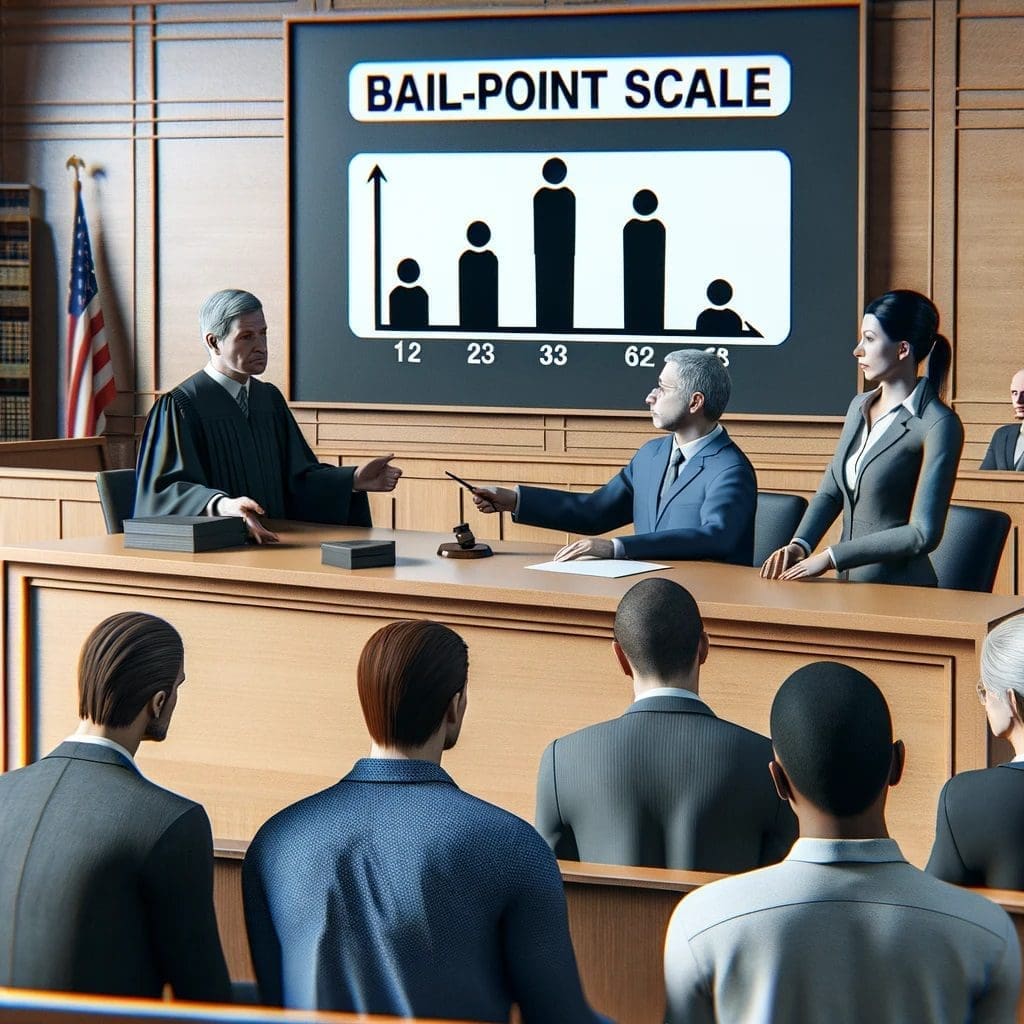
Yes—if your bail-point score was calculated using incorrect or outdated information, you can ask the court to review and correct it, and a judge may adjust release conditions. Bail-point systems rely on arrest details, prior history, and risk factors, so even small errors can raise a score and lead to higher bail or detention. This […]
Read More
Inside The Laci Peterson Murder

Inside The Laci Peterson Murder

Laci Peterson, a 27-year-old from Modesto, California, was murdered in 2002, and her husband Scott Peterson was convicted in 2004. The case drew national attention after Laci and her unborn son, Conner, disappeared on Christmas Eve and their remains were later found along the San Francisco Bay. This article explains the timeline, key evidence, major […]
Read More
What Is the Crime Control Model in Practice?

What Is the Crime Control Model in Practice?

The crime control model prioritizes fast, efficient case processing and public safety, often favoring early police discretion and guilty pleas over extended litigation. In practice, it emphasizes swift investigation, charging, and conviction while limiting procedural delays. This article explains the model’s core principles, how it shapes policing and prosecution decisions, and the constitutional and fairness […]
Read More
Scroll to Top