Other Legal Issues

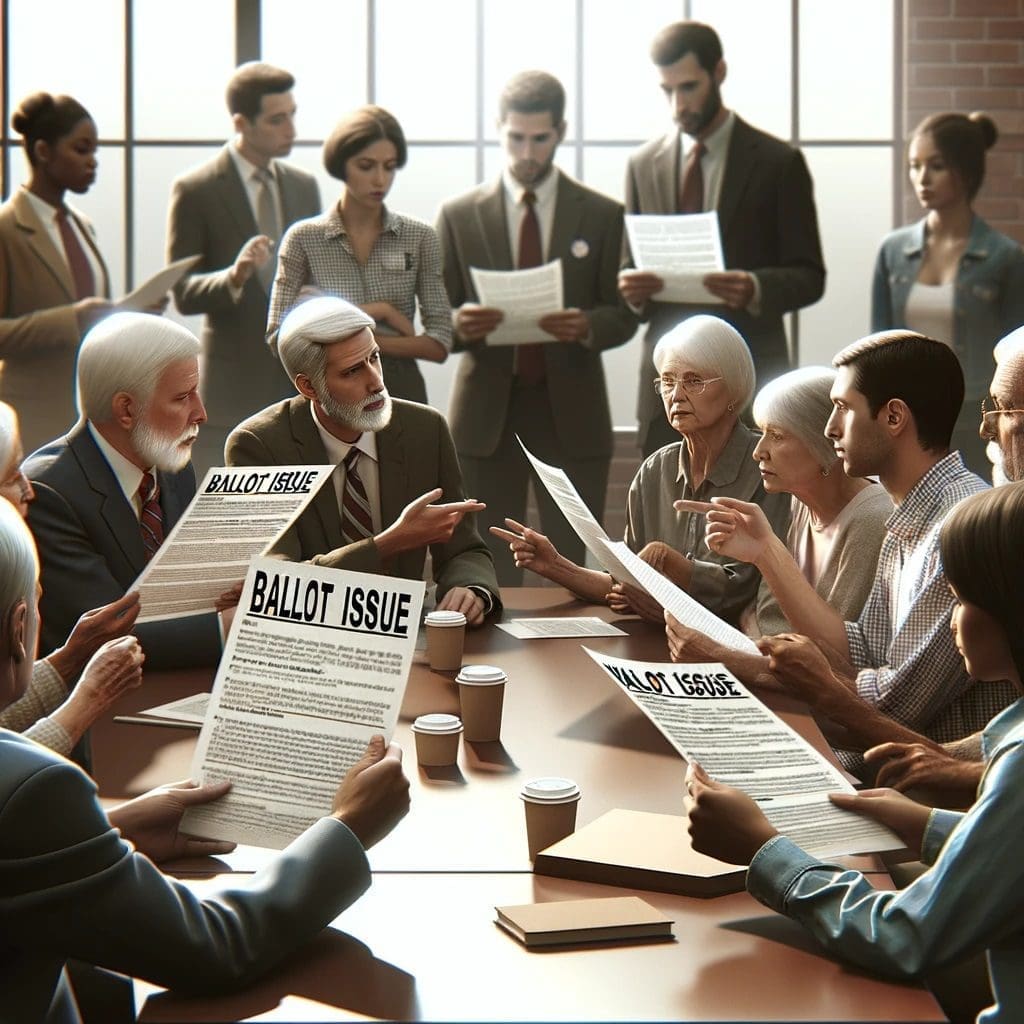
<a href="https://attorneys.media"><img class="aligncenter size-full wp-image-32424" src="http://attorneys.media/wp-content/uploads/2023/12/Other-Legal-Issues.jpg" alt="Expert Legal Team Tackling Diverse Legal Challenges: A Comprehensive Approach" width="1024" height="1024" /></a> <h4>Understanding the Spectrum of Legal Issues: Beyond Criminal and Civil Law</h4>   The realm of law extends far beyond the familiar territories of criminal and civil issues. A vast array of <strong>legal matters</strong> falls outside these categories, encompassing everything from administrative law to intellectual property, environmental regulations, and beyond. Understanding these diverse legal areas is crucial for navigating the intricate world of law effectively. One significant area often overlooked is administrative law. This branch deals with the rules and regulations that govern federal and state agencies. Issues like zoning laws, licensing, and regulatory compliance are central to this field. Navigating administrative law requires an understanding of how government agencies operate and the processes involved in administrative decision-making. Intellectual property law is another crucial area, especially in our technology-driven age. It encompasses the protection of inventions, trademarks, copyrights, and patents. Understanding intellectual property rights is vital for creators, innovators, and businesses looking to protect their unique ideas and products. Environmental law is increasingly significant in today's eco-conscious world. It involves regulations and policies aimed at protecting the environment, including laws related to pollution, natural resource management, and sustainability. Navigating these laws requires not only legal expertise but also an understanding of environmental science and public policy. Family law, dealing with matters like divorce, child custody, and adoption, is another critical area. These issues require a delicate balance of legal knowledge and emotional intelligence, as they often involve complex family dynamics and deeply personal matters. Estate planning and probate law are also essential, involving the management and distribution of an individual's estate after death. This field requires knowledge of tax laws, trusts, wills, and estate administration processes. The legal landscape also includes emerging areas like cybersecurity law, which deals with issues related to data protection, privacy, and digital rights. As technology evolves, so does the legal framework surrounding it, making continual education and adaptation essential for legal professionals. In conclusion, the spectrum of legal issues is broad and varied, extending well beyond criminal and civil law. Understanding these diverse legal areas is crucial for individuals seeking legal advice and for professionals aiming to provide comprehensive legal services.

115 posts

Why Are Balance Billing Laws Changing Now?

Why Are Balance Billing Laws Changing Now?

Balance billing laws are changing now because the federal No Surprises Act (effective Jan. 1, 2022) and newer state reforms restrict out-of-network surprise bills and require set payment-dispute processes. Regulators are tightening enforcement as complaints and high-cost medical billing disputes persist. This article explains balance billing, key legal rules, and how consumers and providers navigate […]
Read More
How to Fight Google’s Controversial Content Restrictions

How to Fight Google’s Controversial Content Restrictions

Google can restrict, downrank, or remove content it deems unsafe or policy‑violating across Search, Ads, YouTube, and Play, even when the content is otherwise legal. These enforcement decisions can affect visibility, revenue, and account standing, and the appeals process often depends on clear evidence and precise policy arguments. This article explains Google’s key content rules, […]
Read More
What Happens When a Dog Bites Someone Legally?

What Happens When a Dog Bites Someone Legally?

After a dog bite, the owner is often legally responsible for the victim’s injuries under strict liability laws in about 36 states. Other states use a “one-bite” or negligence standard, plus local leash and dangerous-dog ordinances. This article explains liability rules, reporting steps, damages, defenses, and how dog bite claims are handled. In the realm […]
Read More
Why Are Prosecutors So Important to Fair Trials?

Why Are Prosecutors So Important to Fair Trials?

Prosecutors handle the state’s case in 100% of criminal trials, deciding charges, presenting evidence, and meeting constitutional duties. Their disclosure obligations and ethical rules help protect due process and prevent wrongful convictions. This article explains what district attorneys do, how they shape outcomes, and why their role matters to fair trials. In the intricate tapestry […]
Read More
Can Drug Possession Charges Lead to Jail Time?

Can Drug Possession Charges Lead to Jail Time?

Yes—drug possession charges can lead to jail time, often up to 1 year for a misdemeanor and 5+ years for felony possession depending on drug and quantity. Penalties vary by state and federal law and are affected by prior convictions, intent to distribute, and whether the substance is controlled. This article explains possession laws, sentencing […]
Read More
Are Preparer Errors Easy to Fix in Bankruptcy?

Are Preparer Errors Easy to Fix in Bankruptcy?

Yes—many bankruptcy preparer errors can be fixed by filing amended schedules, and courts commonly allow corrections within about 14 days. However, missing signatures, incomplete disclosures, or wrong exemptions can still trigger delays, extra fees, or dismissal. This article explains what petition preparers can do, common mistakes, and how to correct them. With the complexity of […]
Read More
Why Is Contract Discharge Important for Businesses?

Why Is Contract Discharge Important for Businesses?

Contract discharge is important because it legally ends a contract—by performance, agreement, breach, or legal impossibility—so businesses can limit liability and close out obligations. When a contract is discharged, parties’ duties are typically released, helping prevent ongoing disputes, unexpected costs, or enforcement actions. This article explains the main types of discharge, common business scenarios, and […]
Read More
How Much Does a Bail Bondsman Charge Now?

How Much Does a Bail Bondsman Charge Now?

A bail bondsman typically charges a nonrefundable premium of 10%–15% of the total bail amount, depending on the state. You may also pay additional court-related fees and may need collateral for higher bonds or flight-risk cases. This article explains how bail bond pricing works, what affects the cost, and what to expect when using a […]
Read More
What You Need to Know About Settlements and Lawsuits

What You Need to Know About Settlements and Lawsuits

Most civil lawsuits end in settlement rather than a trial verdict, allowing parties to resolve disputes faster and with more control over cost and risk. A settlement is a negotiated agreement that can happen at any stage of a case, often in exchange for payment and a release of claims. This article explains how settlements […]
Read More
Tips to Keep in Mind if You Are Ever Arrested for a DWI

Tips to Keep in Mind if You Are Ever Arrested for a DWI

In Texas, you can be arrested for DWI at a BAC of 0.08% or higher. In Houston, a DWI arrest can trigger jail time, fines, and license suspension, so your choices during the stop matter. This article covers practical tips to protect your rights and reduce harm after a DWI arrest. DWI, Driving While Intoxicated, […]
Read More
Why Are Disability Law Protections So Important?

Why Are Disability Law Protections So Important?

Disability law protections are crucial because they help prevent discrimination and ensure equal access to jobs, education, housing, and public services for the 1 in 4 U.S. adults living with a disability. These laws set enforceable standards for reasonable accommodations and accessibility, holding employers, businesses, and government agencies accountable. This article explains why these protections […]
Read More
How to Avoid Losing Your Case for Inactivity and Dismissal

How to Avoid Losing Your Case for Inactivity and Dismissal

A court can dismiss a lawsuit for want of prosecution when the plaintiff fails to take required action for an extended period or misses procedural deadlines. Keeping the case active through timely filings, hearings, discovery responses, and status updates typically prevents dismissal. This article explains common triggers, practical prevention steps, and what to do if […]
Read More
Scroll to Top