expert testimony

Visitors exploring this section will discover a wealth of content related to the role and significance of expert witnesses in legal proceedings. You will find video interviews with seasoned attorneys discussing how expert testimony can influence the outcome of trials, alongside articles detailing the qualifications and procedures for admitting such testimony in court. This resource serves as a comprehensive guide for understanding the impact of specialized knowledge on legal cases and the intricacies of courtroom dynamics.

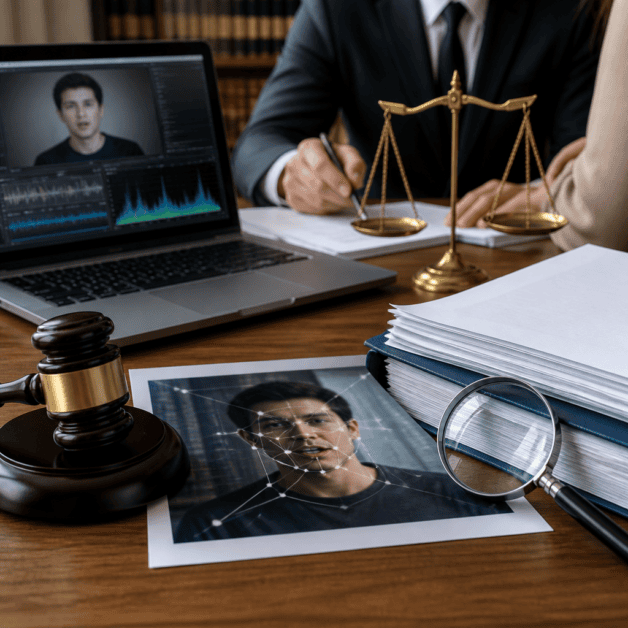
Gavel beside a glowing AI digital screen in court

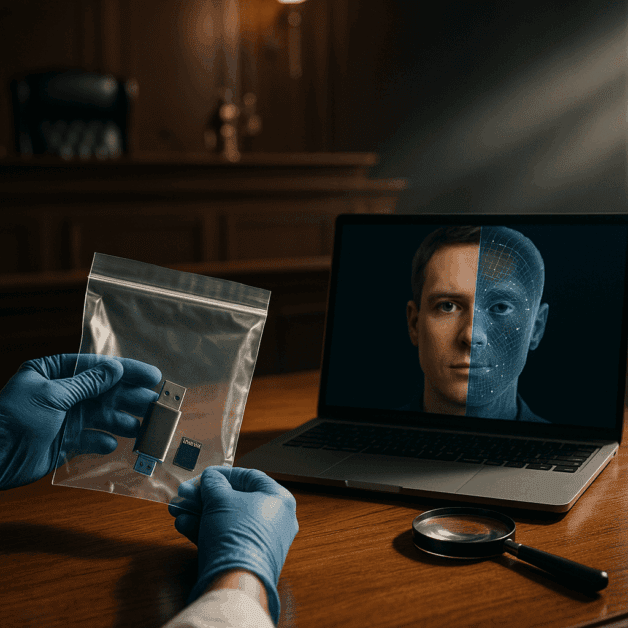
How to Challenge an Opponent’s AI-Generated Evidence in California State Court (2026 Guide)

Challenging AI-generated evidence in California state court typically requires 5 moves: early preservation demands, targeted discovery, authentication objections, expert-driven reliability attacks, and tailored motions in limine. California’s Evidence Code and Civil Discovery Act already provide strong tools to expose how a model produced (or fabricated) an output. This guide explains practical objections, discovery requests, expert […]

How to Challenge an Opponent’s AI-Generated Evidence in California State Court (2026 Guide) Read More »

Local SEO strategies for law firms in 2024

How to Challenge AI-Generated Risk Assessment Scores in California Criminal Sentencing Hearings

AI risk scores can affect bail and sentencing outcomes, and California courts must protect a defendant’s due process rights when such tools are used. Across California criminal sentencing hearings, judges increasingly encounter algorithmic “risk assessment” inputs from probation or pretrial services. This article explains practical, California-focused ways to challenge AI-generated risk scores through discovery, evidentiary

How to Challenge AI-Generated Risk Assessment Scores in California Criminal Sentencing Hearings Read More »

AI robot witness testifying in a courtroom

Can AI Testify in Court? A Judge Just Said Yes.

Yes—an AI-generated witness statement can be admitted in court, as a judge has now allowed such evidence in at least one case. The ruling signals that AI outputs may be treated like other digital records, but only if parties can meet authentication, reliability, and hearsay requirements. This article explains what the decision means, the legal

Can AI Testify in Court? A Judge Just Said Yes. Read More »

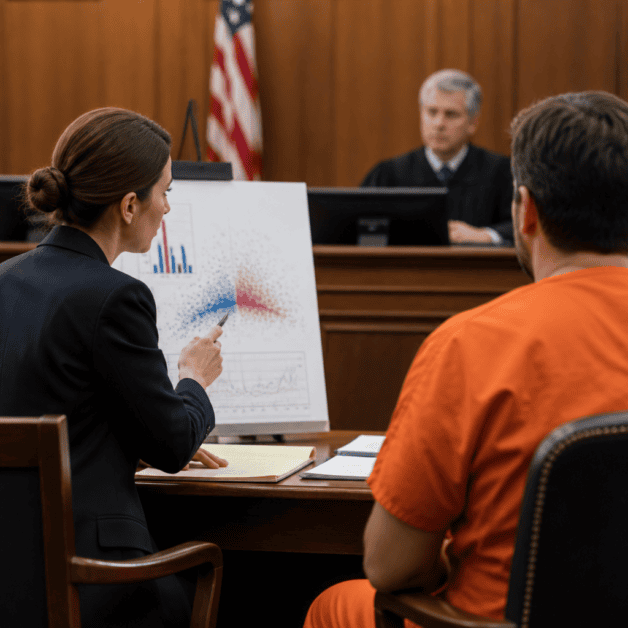
Expert witness testifying in courtroom trial

What is expert testimony?

Expert testimony is evidence from a qualified specialist who can give opinion testimony based on training, education, or experience. It helps judges and juries understand technical or scientific issues beyond common knowledge. This article explains what expert testimony is, how experts are qualified, and how their opinions are used in court. Expert testimony plays a

What is expert testimony? Read More »

Slip and Fall Lawyer Aid in Negligence Cases Today

How Can a Slip and Fall Lawyer Help Prove the Property Owner’s Negligence in My Case?

A slip and fall lawyer can prove negligence by establishing the four elements of premises liability: duty, breach, causation, and damages. They collect surveillance video, incident reports, witness statements, and maintenance records to show the owner knew or should have known about the hazard. This article explains the evidence and legal strategies used to secure

How Can a Slip and Fall Lawyer Help Prove the Property Owner’s Negligence in My Case? Read More »

Building Robust Medical Claims Defense

Medical Negligence Claims: Building a Strong Legal Case

A strong medical negligence claim typically requires 4 elements: duty, breach, causation, and damages. Proving these depends on timely records collection, qualified medical expert testimony, and clear linkage between the error and the injury. This article explains how to gather evidence, meet legal standards, and structure a persuasive malpractice case. In the realm of medical

Medical Negligence Claims: Building a Strong Legal Case Read More »

Evidence Needed for Medical Negligence Claims

How do you prove negligence in a medical malpractice case?

To prove negligence in a medical malpractice case, you must establish 4 elements: duty, breach of the standard of care, causation, and damages. This is typically supported by medical records and qualified expert testimony comparing the provider’s conduct to accepted practice. This article explains each element and the evidence and strategies used to build a

How do you prove negligence in a medical malpractice case? Read More »

Exploring Legal Limits of Criminal Profiling

Criminal Profiling: Legal Uses and Limitations in Investigations

Criminal profiling is an investigative aid, not standalone proof, and it can narrow suspect pools by analyzing crime-scene and victim patterns. U.S. courts generally admit profiling testimony only when it meets expert-evidence reliability standards and does not imply guilt. This article explains how profiling is used, where it fails, and the legal limits in investigations.

Criminal Profiling: Legal Uses and Limitations in Investigations Read More »

Proving Capricious Conduct Legally

What Types of Evidence Are Essential to Support Claims of Arbitrary and Capricious Behavior?

To support a claim that an agency acted arbitrarily and capriciously, the most essential evidence is a complete administrative record showing the decision lacked a rational connection between the facts found and the choice made. Strong support typically includes key documents, data, internal communications, departures from past practice, and proof the agency ignored important factors

What Types of Evidence Are Essential to Support Claims of Arbitrary and Capricious Behavior? Read More »

Essential Evidence for Personal Injury

What evidence do I need to support a personal injury compensation claim?

To support a personal injury compensation claim, you typically need medical records, evidence of how the accident happened (photos/video, witness statements, police or incident reports), and proof of financial losses like payslips and receipts. Strong, contemporaneous documentation helps establish liability, causation, and the value of your damages. This article explains the key types of evidence

What evidence do I need to support a personal injury compensation claim? Read More »

Scroll to Top