legal consequences

Explore a collection of informative articles and video interviews with attorneys discussing various outcomes stemming from legal actions and violations. Visitors will gain insights into potential ramifications in areas such as criminal law, civil litigation, and regulatory compliance. This content aims to enhance understanding of how different legal issues might impact individuals and businesses.

Navigate the Consequences of Sexual Misconduct with Expert Advice - Attorneys.Media

What Laws Govern Sexual Misconduct Investigations Now?

Sexual misconduct investigations are now governed primarily by Title IX (for schools), Title VII (for workplaces), state civil rights laws, and institutional policies, with procedures shaped by recent federal regulatory changes. Which rules apply depends on the setting, the parties involved, and where the conduct occurred. This article explains the current legal framework, key procedural […]

What Laws Govern Sexual Misconduct Investigations Now? Read More »

Bad Checks and Banks: Navigate the Legal Ramifications

How to Avoid Legal Trouble From Bad Check Issues

In most states, writing a bad check can trigger civil collection plus criminal charges if prosecutors can prove intent to defraud. Banks may return the check NSF and assess fees, while payees can issue a demand letter or pursue court action. This article explains how banks handle bad checks, common legal consequences, and practical ways

How to Avoid Legal Trouble From Bad Check Issues Read More »

Deceptive Marketing in a Busy Marketplace: Consumer Awareness

How to Identify Bait and Switch Tactics: Consumer Protection Guide

Bait and switch is a deceptive advertising tactic where a seller promotes a low-priced offer but then pushes a higher-priced or unavailable substitute. It can violate federal and state consumer protection laws and may trigger refunds, damages, or enforcement actions. This guide explains red flags, legal consequences, and steps to protect yourself and report misconduct.

How to Identify Bait and Switch Tactics: Consumer Protection Guide Read More »

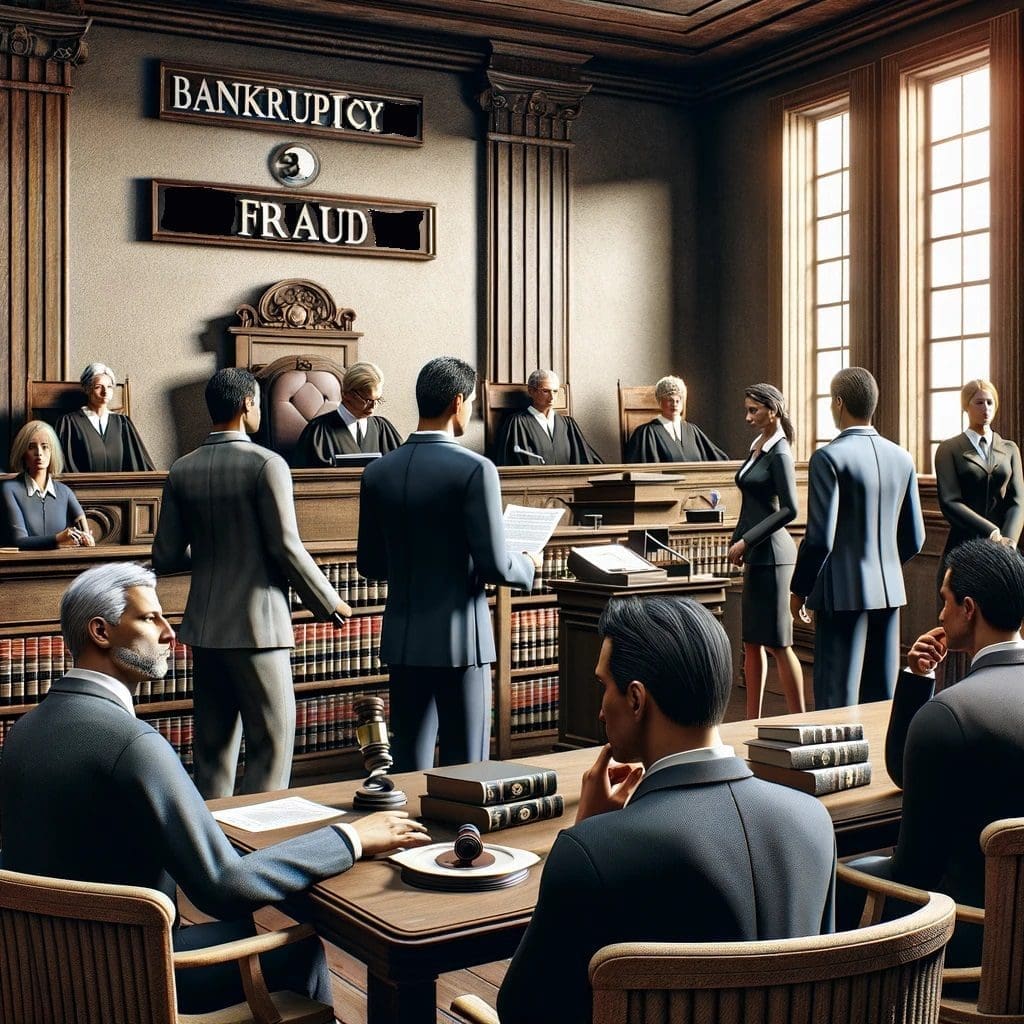
The Grave Impacts of Bankruptcy Fraud: What You Must Know

How Can Bankruptcy Fraud Lead to Prison Time?

Bankruptcy fraud can lead to federal prison time—often up to 5 years per offense—and significant fines. Courts may prosecute actions like hiding assets, lying on schedules, transferring property to evade creditors, or filing false documents during a bankruptcy case. This article explains what counts as bankruptcy fraud, how investigations and charges arise, potential penalties, and

How Can Bankruptcy Fraud Lead to Prison Time? Read More »

Weapons charges in California are among the most severe offenses. In the state, the law prohibits the use, possession, and sales of certain weapons. When individuals violate these laws, they may face serious consequences, including enhanced sentencing. This paper discusses some of the weapons charges that may result in enhanced sentencing in California

Can Weapon Violations Add Years to Prison in California?

Yes—California weapon enhancements can add 1, 3, 4, 5, 10, 20, or even 25 years to life to a prison sentence, depending on the weapon and how it was used. These penalties are often imposed on top of the base offense for guns, knives, or other “deadly weapon” allegations. This article explains common California weapon

Can Weapon Violations Add Years to Prison in California? Read More »

Judicial Sentencing in Action: A Glimpse Inside the Courtroom

How Much Jail Time Can Court Sentences Impose?

Court sentences can impose anything from a few days in a local jail to decades in state or federal prison, and in rare cases life. The maximum depends on the charge, sentencing guidelines, criminal history, and any mandatory minimums. This article explains typical jail-time ranges, how judges calculate sentences, when alternatives like probation apply, and

How Much Jail Time Can Court Sentences Impose? Read More »

Real-Life Interaction on Bail Jumping in a Police Setting

Can Bail Jumping Lead to Additional Jail Time?

Yes—bail jumping can lead to additional jail time and new criminal charges, on top of any sentence for the original case. Courts treat missed court dates or violations of release conditions as separate offenses and may also revoke bail, issue a warrant, and raise future bond amounts. This article explains what legally counts as bail

Can Bail Jumping Lead to Additional Jail Time? Read More »

Inside the Courtroom: The Serious Implications of Bankruptcy Fraud

What Are Hidden Signs of Bankruptcy Fraud?

Bankruptcy fraud often shows up as missing assets, false income disclosures, or unusual transfers—federal law can penalize it with fines and up to five years in prison per offense. Common red flags include last-minute gifts to family, undervalued property sales, incomplete schedules, and inconsistent financial records. This article outlines hidden signs to watch for, how

What Are Hidden Signs of Bankruptcy Fraud? Read More »

A Glimpse Beyond the Threshold: The Quiet Reality of Breaking and Entering

Can You Be Charged With B&E Without Actually Breaking?

Yes—many jurisdictions allow breaking and entering (B&E) charges even if no door or window is physically broken, so long as you entered (or tried to enter) a building unlawfully, often with criminal intent. “Breaking” can include minimal force like opening an unlocked door, raising a window, or pushing past a barrier. This article explains how

Can You Be Charged With B&E Without Actually Breaking? Read More »

Understand Negligence and Recklessness in Criminal Law

Criminal Negligence vs. Recklessness: Legal Definitions & Examples

Criminal negligence involves failing to perceive a substantial, unjustifiable risk, while recklessness means consciously disregarding that same risk. Recklessness is typically treated as the more blameworthy mental state because the defendant knew the danger and proceeded anyway. This article defines both standards, contrasts their elements, and gives practical examples in common criminal charges. The legal

Criminal Negligence vs. Recklessness: Legal Definitions & Examples Read More »

Scroll to Top