
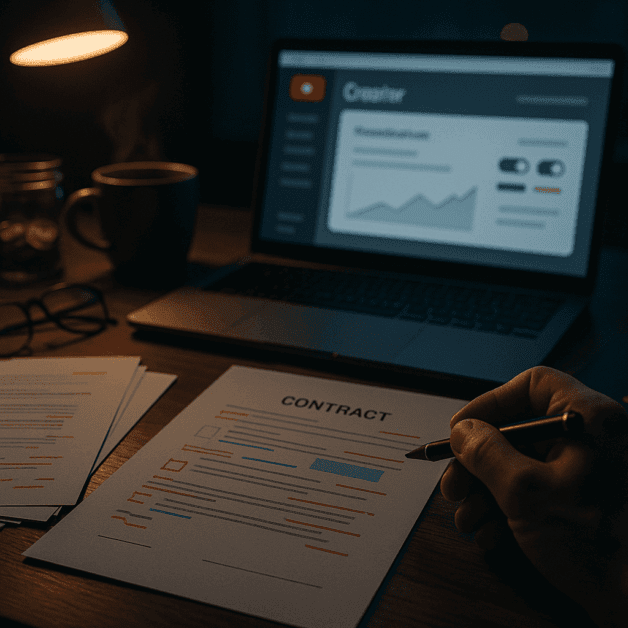
Why YouTube Is Quietly Rewriting Its Monetization Contract — And What You Should Sign
YouTube’s monetization contract is changing via updated Partner Program terms, ad formats, and expanded rights to run ads and use content. These updates can affect eligibility, revenue share, and what permissions you grant YouTube when you accept new terms. This article explains what’s changing, what to sign, and how to protect your channel’s money and rights.
What’s Actually Changing With YouTube’s Monetization Rules
If you’ve been creating content on YouTube for any amount of time, you’ve probably noticed some quiet but significant shifts in how the platform handles money, rights, and creator agreements. YouTube has been updating its monetization policies in ways that don’t always make headlines — but they absolutely affect your bottom line and your rights as a creator.
Understanding these changes isn’t just for lawyers or big-name influencers. Whether you have 500 subscribers or 5 million, knowing what you’re agreeing to when you upload content could make a real difference in your career and your wallet.
The Old Deal vs. The New Deal
For years, the basic YouTube monetization agreement was fairly straightforward. You create content, ads run on it, and you receive a cut of the revenue — traditionally around 55% for standard creators, with YouTube keeping the rest. That model made sense when ad revenue was the only game in town.
But YouTube’s revenue streams have grown massively. Now there’s:
- YouTube Premium subscription revenue
- Super Chats and Super Stickers during live streams
- Channel memberships
- YouTube Shopping affiliate features
- Shorts monetization through the ad revenue sharing model
With each new income stream comes a new set of terms — and those terms haven’t always been made crystal clear to creators. The platform has been quietly revising how revenue is calculated, how it’s split, and what rights YouTube holds over your content in connection with those earnings.
YouTube Shorts and the Revenue Sharing Shift
One of the biggest recent changes came with how YouTube handles Shorts monetization. In early 2023, YouTube replaced the Shorts Fund with an ad revenue sharing model for Shorts creators. On the surface, this sounds like a win — creators now get a direct share of ad money generated from Shorts content.
However, the contract terms behind this shift are worth reading carefully. Under the new model, YouTube pools all ad revenue from Shorts, then distributes a portion to eligible creators based on their share of total Shorts views. That means your individual video’s ad performance isn’t the only factor. You’re competing in a shared pool.
This approach changes things significantly compared to traditional long-form video monetization, where your video’s own ad revenue is more directly tied to your earnings. For creators heavily invested in Shorts, understanding this pooling system matters when planning content strategy and income projections.
What the YouTube Partner Program Agreement Actually Says
The YouTube Partner Program (YPP) agreement is the core contract that governs your relationship with YouTube as a monetized creator. Most people click through it quickly. That’s understandable — it’s long and written in legal language. But some of its key provisions deserve attention.
Here are a few content creator rights and obligations that often go unnoticed:
- License grants: When you upload content, you grant YouTube a broad license to use, reproduce, and distribute your videos globally. This isn’t new, but recent updates have broadened how that license applies across YouTube’s expanding product ecosystem.
- Ad placement control: YouTube reserves the right to place or remove ads on your content at its own discretion. You can set preferences, but the final call belongs to the platform.
- Revenue withholding: YouTube can withhold payments if it believes your content violates policies — even before a formal review is complete.
- Policy change authority: YouTube can modify monetization terms with relatively short notice. Continuing to use the platform after changes take effect is typically considered acceptance of the new terms.
None of these are necessarily shocking, but being aware of them helps you make smarter decisions about your content and how you protect yourself.
Why YouTube Is Making These Changes
YouTube’s parent company, Google, is a publicly traded business with shareholders expecting consistent growth. As the advertising market has faced pressure in recent years, YouTube has had to find new ways to generate and distribute revenue while keeping creators happy enough to stay on the platform.
At the same time, YouTube faces growing competition from TikTok, Instagram Reels, and newer platforms that are actively courting creators with competing revenue sharing deals. This competitive pressure has actually worked in some creators’ favor — YouTube has been forced to offer better monetization options to avoid losing top talent.
But the policy updates aren’t purely generous. Many of the changes also give YouTube more flexibility to manage its costs, shift risk onto creators, and expand what it can do with creator content commercially. Understanding both sides of this equation is essential for anyone building a business on the platform.
Red Flags to Watch in Any YouTube Policy Update
When YouTube announces a policy change — whether through email, the Creator Insider channel, or its help pages — there are specific things worth looking for before you assume it’s good news.
- Changes to revenue split percentages: Even a small shift in the percentage you receive can add up to significant money over time, especially for larger channels.
- New eligibility requirements: YouTube has raised and restructured YPP eligibility thresholds before. Make sure you understand what’s required to stay monetized.
- Expanded license language: Watch for any language that expands YouTube’s right to use your content in new ways — especially in connection with AI training, new products, or third-party partnerships.
- Changes to payment timelines: How and when YouTube pays creators can change. Slower payment cycles or new thresholds affect your cash flow.
- Policy enforcement updates: New content rules that affect monetization eligibility — particularly around advertiser-friendly content guidelines — can quietly reduce your earning potential without a formal announcement.
What You Should Actually Sign — And What to Think Twice About
Most creators don’t have the luxury of negotiating YouTube’s standard terms. You either accept them or you don’t use monetization. That’s the reality. But that doesn’t mean you have no agency.
Here’s a practical approach to protecting yourself within the system:
- Read the terms when they update. YouTube does notify creators of major changes. Take 20 minutes to actually go through what changed. YouTube’s help center often provides plain-language summaries alongside the legal text.
- Diversify your income streams. Don’t let YouTube’s contract terms be your only financial relationship. Patreon, merchandise, brand deals, newsletters, and other platforms give you options if YouTube changes something that hurts your earnings.
- Document your content ownership. Keep records of your original creative work — scripts, raw files, timestamps. If a dispute ever arises about content rights or monetization, having clear documentation of your ownership matters.
- Stay connected to creator communities. Groups of YouTubers often catch and flag policy changes faster than any official announcement. Being plugged into those communities gives you early warning on changes that affect you.
- Consult a professional if your channel is your business. If YouTube is a significant source of your income, spending money on a consultation with an entertainment or digital media lawyer can be worth it. They can help you understand what agreements you’re entering into and how to protect yourself.
The Bigger Picture: Creator Rights Are Still Evolving
The conversation around content creator rights and revenue sharing is still very much in progress. Creators have more collective voice now than they did five years ago — and platforms know it. When major creators push back on policy changes publicly, YouTube has shown it will sometimes respond.
That doesn’t mean the system is fair or balanced. YouTube still holds enormous power in this relationship. But staying informed, staying organized, and staying connected to other creators gives you a stronger position than simply clicking “agree” and hoping for the best.
The monetization contract you enter into with YouTube is a real legal agreement with real financial consequences. Treating it that way — rather than as just another terms-of-service checkbox — is one of the most important things you can do for your channel’s long-term health.
Final Thoughts
YouTube’s ongoing policy changes aren’t random. They reflect a platform that is growing, competing, and trying to balance the needs of advertisers, shareholders, and creators all at once. As a creator, your job is to stay aware of where you fit into that equation.
Read the contracts. Notice the changes. Protect your work. And make sure the deal you’re signing is one you actually understand — because YouTube’s monetization terms are only going to keep evolving, and the creators who thrive long-term will be the ones who stayed informed every step of the way.














