Squatters can have legal protection because many states recognize “adverse possession,” allowing an occupier to gain ownership after openly and continuously possessing property for a statutory period—often 5 to 20 years—while meeting strict requirements. These laws evolved to promote productive land use and require owners to act promptly to enforce their rights, alongside due-process limits […]
Read More
What Resources Offer Free Legal Help Now?
You can get free legal help now from 5 main sources: legal aid, pro bono clinics, court self-help centers, law school clinics, and state bar referrals. Many offer same-day phone or online intake and free forms or brief advice. This article lists trustworthy resources and how to choose the right option for your issue. Just […]
Read More
How Do I Choose the Best Injury Lawyer Near Me?
The best injury lawyer near you is one with proven results in cases like yours, strong client reviews, and a fee structure you understand (often no fee unless you win). Local experience matters because deadlines, insurance practices, and court procedures vary by state and county. This article explains what to look for, what questions to […]
Read More
How Do Precedents Shape Legal Decisions Now?
Legal precedents shape legal decisions now by requiring courts to follow binding higher-court rulings while treating similar past cases as persuasive authority. This reliance on case law promotes consistent outcomes, narrows judicial discretion, and helps lawyers predict results. This article explains how precedent works, when it can be distinguished or overruled, and its impact on […]
Read More
Are Civil and Criminal Law Services Profitable Together?
Yes—many law firms can increase profitability by offering civil and criminal law services together, diversifying revenue and smoothing cash flow across case types. While criminal work often moves faster and civil matters can produce larger but slower-paying fees, combining them can balance risk and capacity. This article explains profit drivers, pricing and billing models, ethical […]
Read More
How Much Proof Do You Need in a Tort Claim?
In a tort claim, you generally must prove your case on the balance of probabilities—more than 50% likely to be true. That means your evidence must show it’s more likely than not the defendant caused your harm and you suffered damages. This article explains the civil standard of proof and how it applies to tort […]
Read More
How to Choose the Right Bailee Insurance for Your Needs
Bailee insurance typically costs about $500–$2,500 per year for small businesses, depending on limits, property values, and risk class. The right policy covers customer property in your care, custody, or control and aligns with your contracts and exclusions. This article explains bailee legal duties, key coverage features, and how to compare policies for your needs. […]
Read More
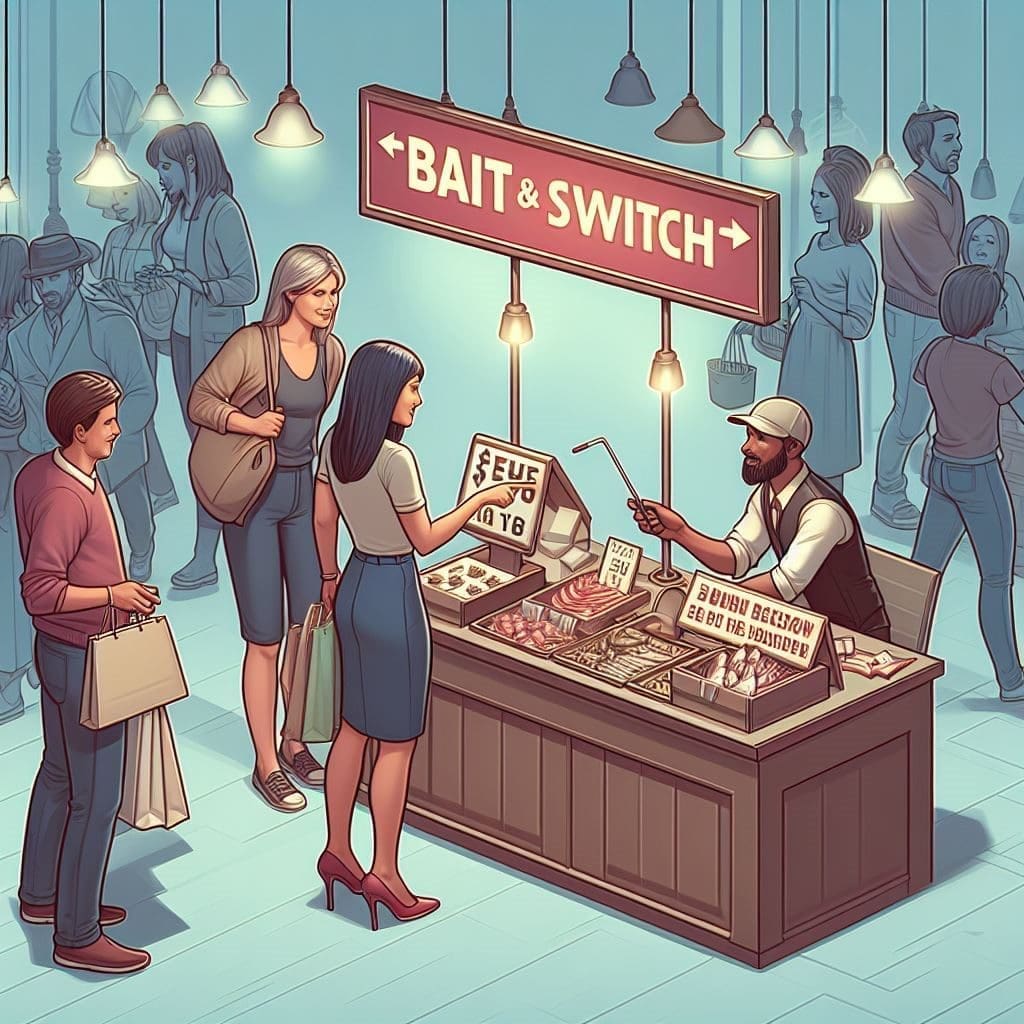
How to Identify Bait and Switch Tactics: Consumer Protection Guide
Bait and switch is a deceptive advertising tactic where a seller promotes a low-priced offer but then pushes a higher-priced or unavailable substitute. It can violate federal and state consumer protection laws and may trigger refunds, damages, or enforcement actions. This guide explains red flags, legal consequences, and steps to protect yourself and report misconduct. […]
Read More
How to Choose the Right Bailee Insurance Policy
Choose a bailee insurance policy by confirming it covers 100% of the maximum customer property value you hold at one time. Match covered perils (theft, fire, water) and exclusions to your operations, and ensure the policy applies on- and off-premises if needed. This article explains duties of care, coverage options, limits, and common pitfalls for […]
Read More
Why Is Contract Discharge Important for Businesses?
Contract discharge is important because it legally ends a contract—by performance, agreement, breach, or legal impossibility—so businesses can limit liability and close out obligations. When a contract is discharged, parties’ duties are typically released, helping prevent ongoing disputes, unexpected costs, or enforcement actions. This article explains the main types of discharge, common business scenarios, and […]
Read More
How Much Do Bail Bond Agents Charge Now?
Bail bond agents usually charge about 10% of the total bail (often 8%–15% depending on the state) and that premium is typically nonrefundable. Additional fees may apply for payment plans, travel, or collateral handling. This article explains how bail bond pricing works, what affects the cost, and what to expect in the process. When it […]
Read More
Understanding Bad Faith: Its Role in Civil and Criminal Law
Bad faith is the intentional dishonesty or unfair dealing that can trigger civil liability and, in some cases, criminal charges. Courts look for evidence of intent—such as deception, concealment, or willful disregard of legal duties—when deciding remedies or penalties. This article explains how bad faith is defined, where it arises in civil and criminal law, […]
Read More