Court Procedures

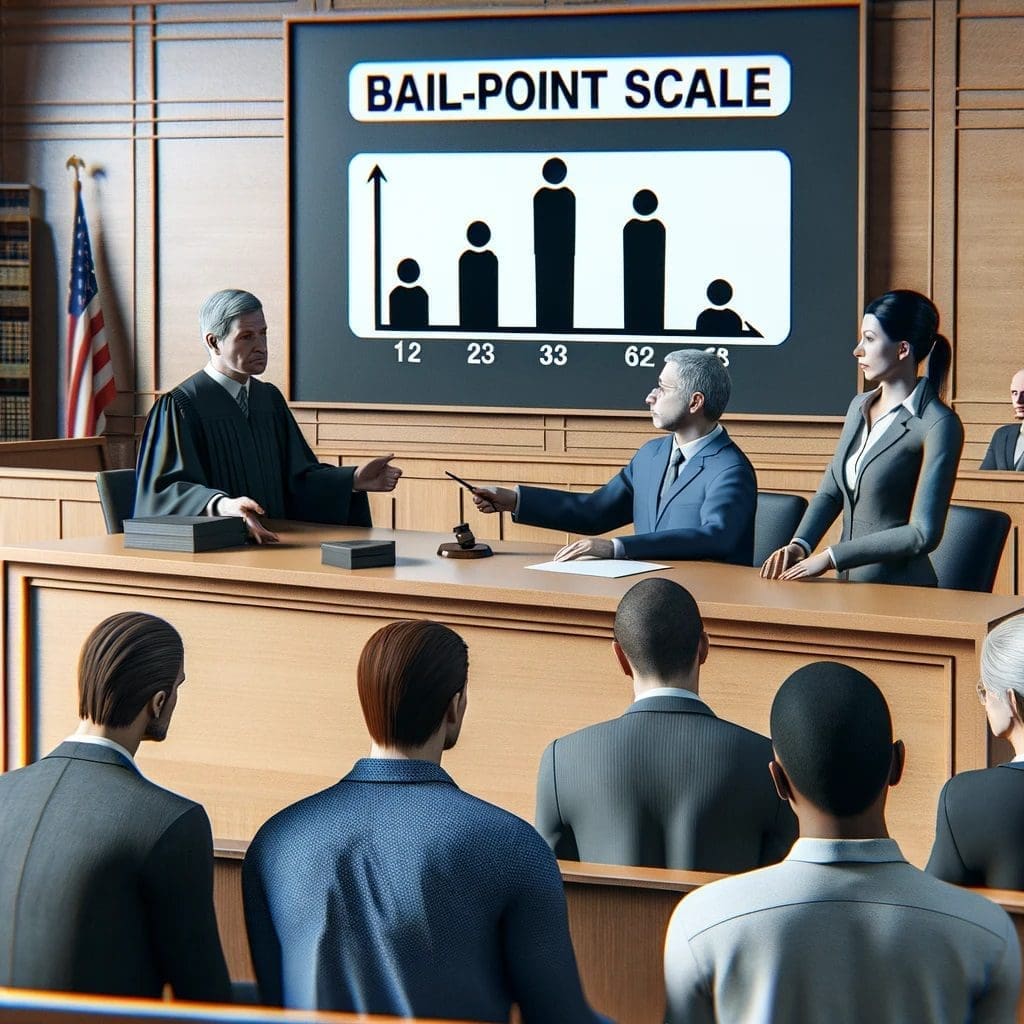
<h4><a href="https://attorneys.media"><img class="aligncenter size-full wp-image-32430" src="http://attorneys.media/wp-content/uploads/2023/12/Court-Procedures.jpg" alt="Inside the Courtroom: Capturing the Essence of Court Procedures" width="1024" height="1024" /></a></h4> <h4>Navigating the Intricacies of Court Procedures: A Detailed Overview</h4>   <strong>Court procedures</strong> are the backbone of the legal system, guiding how legal cases are handled from initiation to resolution. Understanding these procedures is crucial for anyone involved in legal matters, be it as a plaintiff, a defendant, or a legal professional. The first step in any legal proceeding is filing the case, which involves preparing and submitting legal documents to the court. This step sets the stage for the entire process and requires attention to detail to ensure all legal requirements are met. Once a case is filed, the court will schedule various hearings and proceedings. These may include preliminary hearings, pre-trial conferences, and, if necessary, a trial. Each of these stages has its unique purpose and requirements, from determining the merits of the case to discussing legal strategies. One of the most critical aspects of court procedures is adhering to courtroom etiquette. This includes proper dress code, respectful behavior towards the judge and court staff, and following courtroom protocol. Understanding and respecting courtroom etiquette can significantly impact the perception of your case. Preparation for court appearances is also vital. This involves reviewing your case, understanding the relevant laws, and consulting with your attorney. Being well-prepared can help you present your case effectively and respond to legal challenges. If the case proceeds to trial, understanding the trial process is essential. Trials typically involve opening statements, the presentation of evidence, witness testimonies, cross-examinations, and closing arguments. Each stage requires strategic planning and a deep understanding of legal principles. After the trial, the judge or jury will deliberate and reach a verdict. Depending on the outcome, there may be additional steps, such as sentencing in criminal cases or awarding damages in civil cases. Post-trial procedures are also an integral part of court processes. These can include filing appeals, enforcing judgments, or negotiating settlements. Understanding your options after a trial can help you make informed decisions about the next steps in your legal journey. In conclusion, court procedures are a complex but essential aspect of the legal system. Understanding these procedures, from filing a case to post-trial steps, is crucial for effectively navigating legal challenges. With the right knowledge and preparation, individuals can confidently approach their legal matters.

475 posts

Why Was the Badger Game Popular in the 1920s?

Why Was the Badger Game Popular in the 1920s?

The badger game gained popularity in the 1920s because Prohibition and booming urban nightlife created more vulnerable “vice” encounters, making blackmail easy and profitable. Hotels offered anonymity and victims feared scandal, so many paid rather than report it. This article explains the scheme’s origins, how it worked, and how modern law treats related extortion. The […]
Read More
How to Protect Yourself from Identity Impersonation

How to Protect Yourself from Identity Impersonation

Identity impersonation can lead to fraudulent accounts, stolen funds, and damaged credit—often before you realize it. It typically starts with exposed personal data (like Social Security numbers, passwords, or ID images) and escalates through quick misuse across banks, email, and government services. This article explains practical steps to prevent impersonation, spot warning signs early, and […]
Read More
How Do Courts Excuse Waived Objections Under Harvey Waiver?

How Do Courts Excuse Waived Objections Under Harvey Waiver?

Courts may excuse waived objections under a Harvey waiver by applying plain-error review when an error is obvious and affects substantial rights. Even without a timely objection, appellate courts can correct mistakes that seriously undermine fairness or the integrity of the proceeding. This article explains what counts as waiver, when courts will still review, and […]
Read More
What Are Pro Bono Legal Services Now?

What Are Pro Bono Legal Services Now?

Pro bono legal services are free legal help provided by attorneys for people who can’t afford representation, often through legal aid groups, nonprofits, or court programs. Today, many lawyers also offer limited-scope pro bono assistance and virtual clinics to expand access to justice. This article explains what pro bono means now, who qualifies, what services […]
Read More
Mastering Court Procedures: A Comprehensive Guide to Navigating Legal Systems

Mastering Court Procedures: A Comprehensive Guide to Navigating Legal Systems

Navigating court procedures means following a structured sequence of filings, deadlines, hearings, and evidence rules that govern how a case moves from start to finish. Missing a required step—such as proper service of process or a key deadline—can delay your case or lead to dismissal. This guide explains the court process from filing and service […]
Read More
How Lawyers Prepare Clients for Important Hearings

How Lawyers Prepare Clients for Important Hearings

Lawyers typically use a 10-step preparation process to get clients ready for important hearings. It includes reviewing evidence, practicing testimony, explaining courtroom procedure, and planning responses to likely questions. This article covers practical strategies for civil and criminal hearings, from pre-hearing meetings to day-of-court tips. Navigating the complexities of a court hearing can be daunting, […]
Read More
Estate Planning Red Flags That Could Lead to Legal Disputes in New York

Estate Planning Red Flags That Could Lead to Legal Disputes in New York

In New York, even 1 signing or wording mistake can make a will vulnerable to a probate contest and delay distribution. Common red flags include unclear terms, improper execution under EPTL rules, sudden late-life changes, and executor conflicts. This article explains key dispute triggers and practical steps to reduce challenges. Estate plans are essential to […]
Read More
What Gun Crimes Carry Mandatory Prison Time?

What Gun Crimes Carry Mandatory Prison Time?

Several gun crimes carry mandatory prison time, including using or carrying a firearm during a federal “crime of violence” or drug trafficking offense, which typically triggers a **minimum 5-year** consecutive sentence. Many states also impose mandatory minimums for offenses like unlawful possession by a felon, armed robbery, or firing a gun during certain crimes, with […]
Read More
Can All Bailable Offenses Avoid Jail Time?

Can All Bailable Offenses Avoid Jail Time?

Most bailable offenses can avoid jail time if you secure bail promptly and comply with all court conditions, but bail does not automatically end the case or eliminate penalties. Whether you actually stay out of custody depends on factors like the charges, your criminal history, and any risk of flight or danger findings. This article […]
Read More
Bail in Error: How Do You Challenge Incorrect Bail Decisions?

Bail in Error: How Do You Challenge Incorrect Bail Decisions?

You can challenge an incorrect bail decision by requesting a bail review or appeal in the appropriate court, often on grounds like legal error, new evidence, or changed circumstances. Bail outcomes can be reversed when the original decision misapplied the law or overlooked key facts affecting flight risk or public safety. This article explains who […]
Read More
Can You Challenge Your Bail-Point Score?

Can You Challenge Your Bail-Point Score?

Yes—if your bail-point score was calculated using incorrect or outdated information, you can ask the court to review and correct it, and a judge may adjust release conditions. Bail-point systems rely on arrest details, prior history, and risk factors, so even small errors can raise a score and lead to higher bail or detention. This […]
Read More
Scroll to Top