Court Sentencing

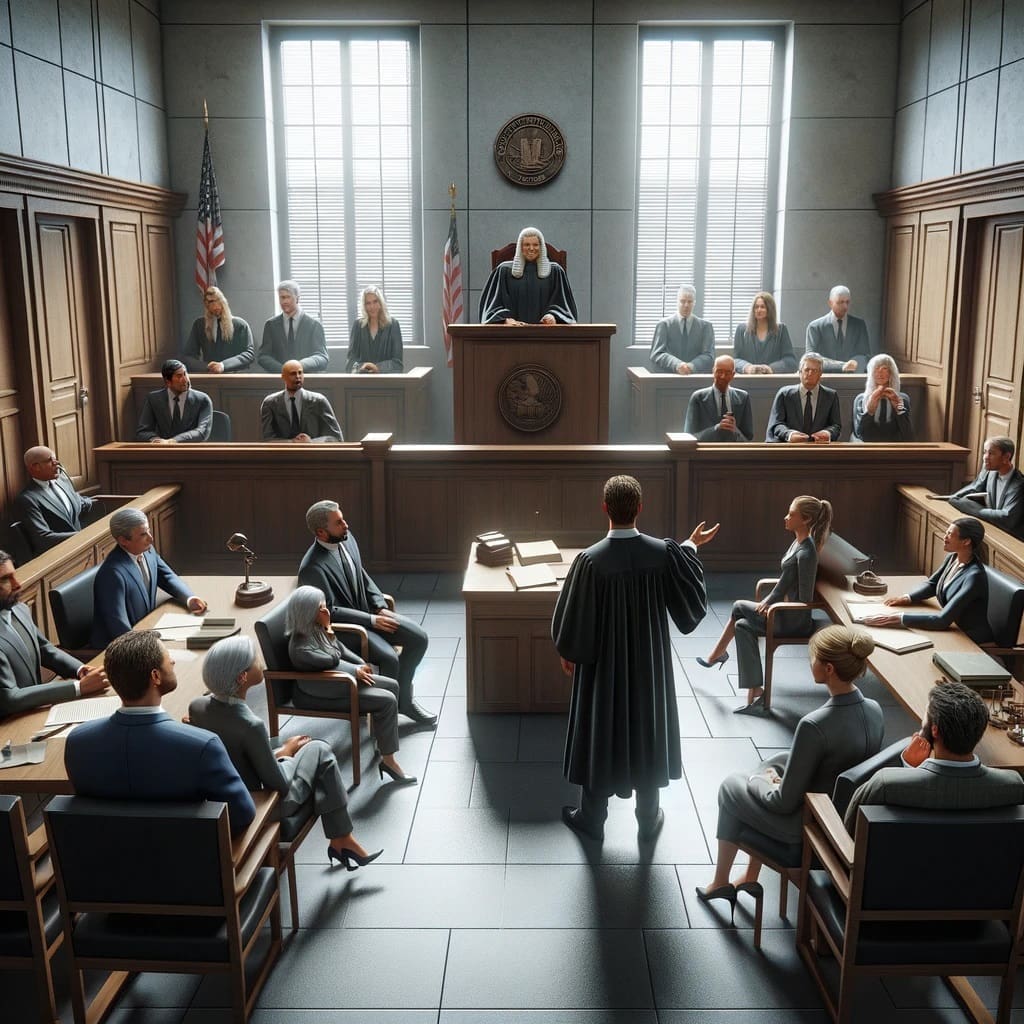
<a href="https://attorneys.media"><img class="aligncenter size-full wp-image-32431" src="http://attorneys.media/wp-content/uploads/2023/12/Court-Sentencing.jpg" alt="apturing the Moment of Sentencing: Legal Judgment in Today's Courtrooms" width="1024" height="1024" /></a> <h4></h4> <h4>Court Sentencing Explained: Understanding Its Impact and Process</h4>   <strong>Court sentencing</strong> is a critical phase in the judicial process, where a judge determines the penalty for a convicted defendant. This stage follows a guilty verdict or a plea bargain and involves a complex interplay of legal guidelines, judicial discretion, and individual case circumstances. Sentencing can range from fines and community service to probation and imprisonment, depending on the nature and severity of the offense. Factors influencing sentencing decisions include the defendant's criminal history, the harm caused to victims, and the circumstances surrounding the crime. The legal process of sentencing begins with a pre-sentencing report prepared by a probation officer. This report provides the court with detailed information about the defendant's background and the crime's impact on victims. It plays a crucial role in guiding the judge's sentencing decision. Sentencing hearings offer an opportunity for both the defense and prosecution to present arguments and evidence influencing the sentence. Victims may also have the chance to give impact statements, explaining how the crime has affected them. The judge must adhere to statutory sentencing guidelines while also considering any mitigating or aggravating circumstances. These guidelines provide a range of permissible sentences for each offense, aiming to ensure fairness and consistency in sentencing. In some cases, alternative sentencing options are considered. These might include drug treatment programs, community service, or restorative justice initiatives. These alternatives focus on rehabilitation and reparation rather than solely on punishment. Appeals against sentencing decisions can be filed if there are grounds to believe the sentence was unjust or not in accordance with the law. The appellate process allows for higher courts to review and potentially modify the original sentencing decision. Understanding your rights during the sentencing process is essential. This includes the right to legal representation, the right to present mitigating evidence, and the right to appeal the sentence. In conclusion, court sentencing is a multifaceted and consequential part of the legal system. Understanding the factors that influence sentencing, the rights of the defendant and victims, and the available legal recourse is vital for anyone navigating this process.

51 posts
Navigating Legal Challenges: A Comprehensive Guide to Defending Against Aiding and Abetting Charges

Navigating Legal Challenges: A Comprehensive Guide to Defending Against Aiding and Abetting Charges

When facing aiding and abetting charges, understanding the legal landscape is crucial for mounting an effective defense. Often, individuals find themselves implicated as accomplices in crimes they did not commit directly but are accused of facilitating. This article delves into the complexities of accomplice liability, offering insights and advice on how to navigate the legal […]
Read More
The Significance of Aggravating Circumstances in Criminal Sentencing

The Significance of Aggravating Circumstances in Criminal Sentencing

Aggravating circumstances wield considerable influence in the realm of criminal sentencing, serving as pivotal factors that magnify the severity of penalties imposed upon individuals found guilty of committing crimes. These circumstances, which amplify the gravity of an offense, hold profound implications for defendants, legal practitioners, and the broader community. A comprehensive comprehension of aggravating circumstances […]
Read More
How In-Custody Defendants Should Prepare For The Pre-Sentence Probation Interview

How In-Custody Defendants Should Prepare For The Pre-Sentence Probation Interview

by the late Mark Sullivan, Board Certified Criminal Defense Attorney, Palm Springs, California. Originally printed in 2003 and reprinted with permission from Crime, Justice and America magazine PERSONAL HISTORY One of the ways the PO will get to know you is through the interview. Preferably, though, the PO will already know a considerable amount about […]
Read More
DNA GOES TO COURT – ll

DNA GOES TO COURT – ll

Second Of A Three-Part Series By John Riley. Originally printed in 2004 and reposted with permission from Crime, Justice and America magazine. The importance of DNA (deoxyribonucleic acid) in law enforcement has grown since the use was discovered in 1985. Everyone is made of cells that contain DNA (among other things). But DNA gives us […]
Read More
Cooking Up Salvation

Cooking Up Salvation

By the editorial staff of Crime, Justice and America magazine. Originally published in 2002, and reposted with permission from Crime, Justice and America magazine Jeffrey Henderson was one of the youngest and wealthiest crack cocaine dealers in Southern California. “I poisoned a whole generation,” said 37-year-old Henderson, who now lives in Las Vegas. While still […]
Read More
It’s Time For Me To Die: An Inside Look At Death Row

It’s Time For Me To Die: An Inside Look At Death Row

Forward by the late Bill Bickel – former Managing Editor of Crime, Justice and America magazine. Originally published in 2004 and reposted with permission from Crime, Justice and America magazine Confessed and convicted serial killer Michael Ross (see article elsewhere in this issue of Crime Justice & America) wrote this article in 1998, after his […]
Read More
Three Strikes Get a Second Look

Three Strikes Get a Second Look

By John Riley – former contributing author for Crime, Justice and America magazine. Originally published in 2002 and reposted with permission from Crime, Justice and America magazine William Gerber was home alone when he shot his television set. He’s now serving life in prison as a result of the crime. Leandro Andrade is serving a […]
Read More
Restitution Is Payback

Restitution Is Payback

What Goes Around, Comes Around By Andrew Dósa, Criminal Defense Attorney in Alameda County California. Originally printed in 2007 and reprinted with permission from Crime, Justice and America magazine The law is clear. Restitution is imposed when a defendant is convicted of a crime. It is good for a victim. It is supposed to be […]
Read More
Executing Kids

Executing Kids

A Look At The Juvenile Death Penalty By the late Bill Bickel – former Managing Editor of Crime, Justice and America magazine. Originally published in 2004 and reposted with permission from Crime, Justice and America magazine “I don’t think we should be proud of the fact that the United States is the world leader in […]
Read More
Define “Likely” – The Sexually Violent Predator Law

Define “Likely” – The Sexually Violent Predator Law

PRO or CON By Chris Finnie – former Contributing Author to Crime, Justice and America magazine. Originally published in 2002 and reposted with permission from Crime, Justice and America magazine In 1996, California passed the “sexually violent predator” law, which allows the state to evaluate prisoners convicted of multiple violent sex offenses, and transfer them […]
Read More
How To Seal Your Criminal Record

How To Seal Your Criminal Record

By retired Attorney Dennis Lempert, former Criminal Defense Attorney in Santa Clara County, California. Originally published in 2004 and reposted with permission from Crime, Justice and America magazine Question: How Can I Seal My Record In California? My Record Was Already Dismissed Under PC 1203.4 Answer: Peter A has gotten his case dismissed by using […]
Read More
Suppression of Evidence – The Basics

Suppression of Evidence – The Basics

By Kirk Tarman, Criminal Defense Attorney in San Bernardino County, California. Originally published in 2007 and reposted with permission from Crime, Justice and America magazine This article is designed to give a layperson a superficial understanding of a motion to suppress. Basically when an attorney says that he is going to attempt to suppress evidence […]
Read More
Scroll to Top