Miranda Rights

Visitors exploring this tag will discover informative resources about the legal rights of individuals upon arrest, including what law enforcement must communicate during a custodial interrogation. Content includes video interviews with criminal defense attorneys, articles detailing the history and implications of these rights, and glossary definitions to enhance understanding of their significance in the criminal justice system. Stay informed with authoritative insights into how these rights protect suspects and the legal obligations of police officers.

Know Your Rights After Arrest Worldwide Guide and Perspectives

What Are My Rights If I’m Arrested?

If you’re arrested in the U.S., you have 5 core rights: remain silent, get a lawyer, be told the charges, seek bail, and challenge unlawful searches or arrest. These protections come from the U.S. Constitution and apply from the moment police detain you. This article explains what to say and do, key deadlines, and how […]

What Are My Rights If I’m Arrested? Read More »

Your Rights Guide for Police Stops and Actions

Know Your Rights: What to Do If You’re Stopped by Police

If you’re stopped by police, you generally have the right to remain silent, ask if you’re free to leave, and refuse a search unless officers have a warrant or legal justification. Knowing what to say—and what not to say—can protect you from self-incrimination and unnecessary escalation. This article explains your key rights during pedestrian stops

Know Your Rights: What to Do If You’re Stopped by Police Read More »

Explore Your Legal Defense Pathways

Contesting a Will: Legal Grounds and Procedures Explained

You can contest a will only on recognized legal grounds—most commonly lack of capacity, undue influence, fraud, improper execution, or revocation—and you must do so within your state’s deadline (often months after probate begins). Courts require evidence and strict procedural compliance, so early action matters. This article explains who has standing, the proof required for

Contesting a Will: Legal Grounds and Procedures Explained Read More »

Understanding Your Entitlement to Legal Counsel

Legal Representation: Understanding Your Right to an Attorney

The Sixth Amendment guarantees the right to an attorney in all U.S. criminal prosecutions, and courts must appoint counsel if you can’t afford one. This right generally applies at critical stages like interrogation after charges and trial, while civil cases usually don’t include a free lawyer. This article explains when the right attaches, how public

Legal Representation: Understanding Your Right to an Attorney Read More »

Criminal Law Basics Your Rights and Legal Steps

Criminal Law Explained: Rights, Procedures, and Defenses

Criminal law governs how the state investigates, charges, and prosecutes alleged offenses, and it guarantees core protections like the right to remain silent and the right to counsel. From arrest through trial and sentencing, strict procedures determine what evidence can be used and how guilt must be proven beyond a reasonable doubt. This article explains

Criminal Law Explained: Rights, Procedures, and Defenses Read More »

Officers Perform Search Without Warrant

Involuntary Confessions: Challenging Coerced Statements

An involuntary confession can be suppressed under the Fifth and Fourteenth Amendments if police coercion overbore a suspect’s will. Courts assess the totality of circumstances, including threats, promises, deception, interrogation length, and the suspect’s age, mental state, and access to counsel. This article explains the governing standards, key case law, and practical defense strategies for

Involuntary Confessions: Challenging Coerced Statements Read More »

Combatting DUI Charges Strategically

DUI Defense Strategies: How to Fight a Drunk Driving Charge

A DUI arrest doesn’t guarantee a conviction—prosecutors must prove impairment beyond a reasonable doubt. Defense often targets the legality of the stop, testing accuracy, and evidence handling. This article outlines practical DUI defense strategies and legal approaches to protect your rights and minimize consequences. Facing a DUI charge can be a daunting experience, but it’s

DUI Defense Strategies: How to Fight a Drunk Driving Charge Read More »

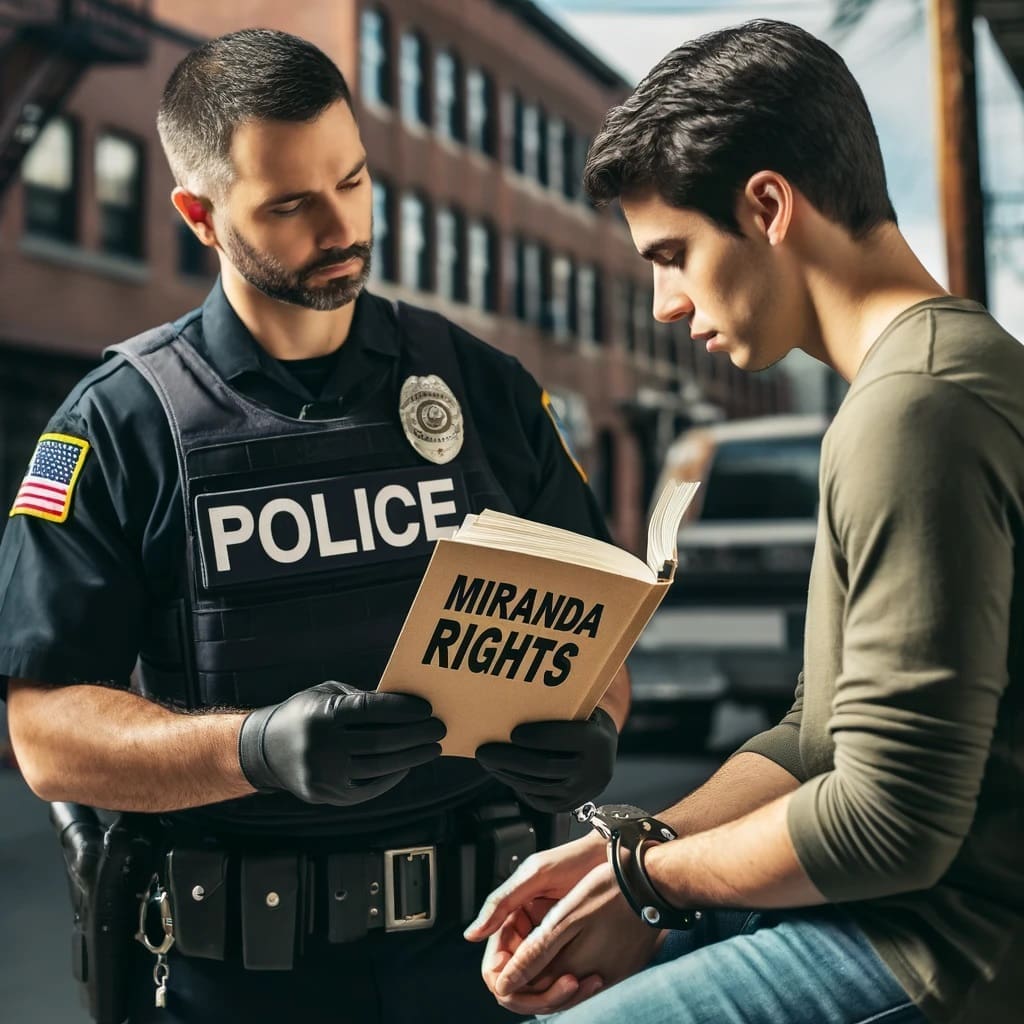
Capturing the Critical Moment of an Arrest in Urban Setting

Understanding Arrest Procedures: Rights, Processes, and Legal Advice

An arrest typically occurs when police have probable cause that a crime was committed and can lead to charges within 48–72 hours in many jurisdictions. Officers may give Miranda warnings before custodial interrogation, and you can invoke the right to remain silent and request counsel. This article explains the arrest process, key constitutional rights, and

Understanding Arrest Procedures: Rights, Processes, and Legal Advice Read More »

11 Reasons NOT To Talk To The Police

You should not talk to the police without a lawyer because anything you say can be used against you, even if you’re innocent. Police are trained to gather evidence and may use broad questions, misstatements, or pressure tactics that can turn a casual conversation into self-incrimination. This article explains 11 key reasons to stay silent

11 Reasons NOT To Talk To The Police Read More »

Scroll to Top