algorithmic bias

Explore the complexities of algorithmic bias and its implications within the legal framework. This section features insightful articles, expert interviews, and in-depth analyses on how bias in algorithms affects legal outcomes, civil rights, and the growing intersection of technology and law. Visitors will gain a deeper understanding of the challenges posed by algorithmic decision-making and the legal considerations necessary to address these issues effectively.

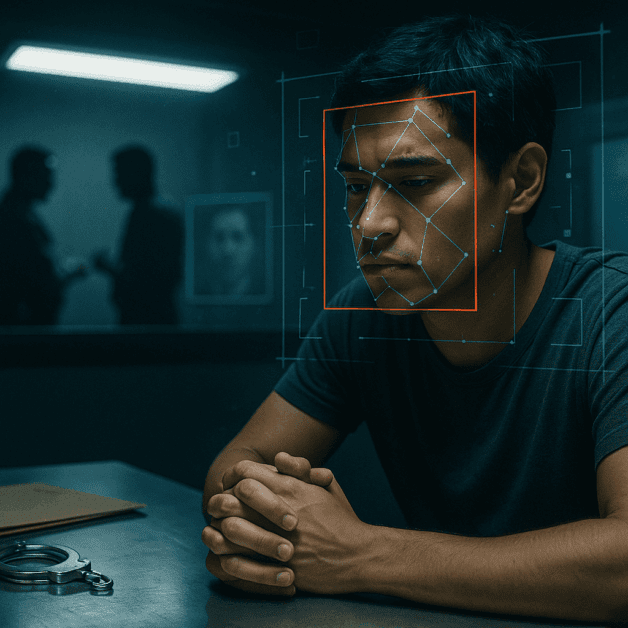
Person behind bars with AI circuit patterns overlaid

This Is What Happens When AI Wrongly Accuses You of a Crime

AI misidentification can lead to arrest, charges, and months or years of fallout even if you’re innocent. These errors often come from flawed facial recognition, bad data, or biased algorithms that investigators may overtrust. This article explains the risks, your legal rights, and how to fight an AI-driven false accusation. When Technology Gets It Wrong […]

This Is What Happens When AI Wrongly Accuses You of a Crime Read More »

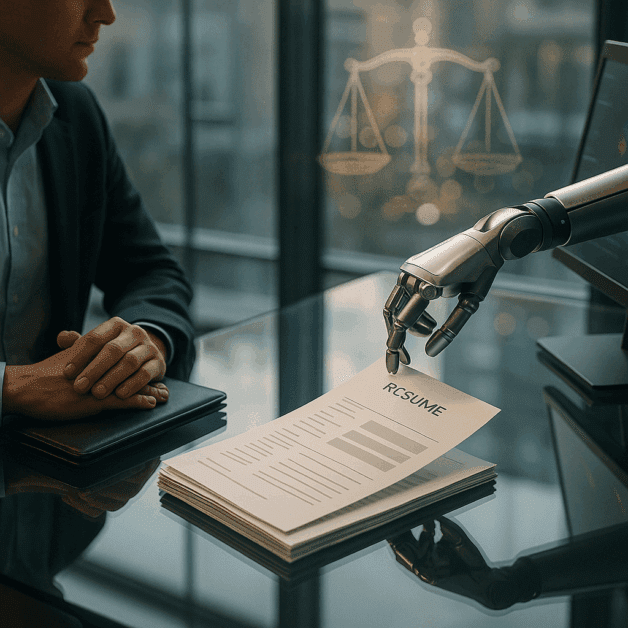
Robot hand reviewing job application documents

If AI Made the Hiring Decision, You May Have a Case

Yes—AI hiring tools can violate anti-discrimination laws even without human intent, and lawsuits and EEOC scrutiny are rising nationwide. Resume screeners, video analysis, and scoring algorithms may disproportionately exclude protected groups. This article explains common AI hiring systems, warning signs, and steps to preserve evidence and evaluate a legal claim. When a Computer Says No:

If AI Made the Hiring Decision, You May Have a Case Read More »

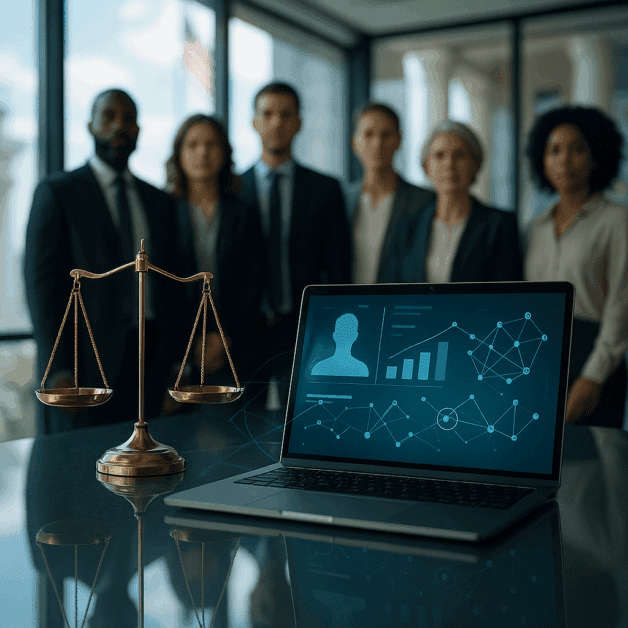
Scales of justice with AI circuit pattern

The New Federal Standard for Proving AI Discrimination at Work

The new federal standard strengthens how workers can prove AI workplace discrimination under Title VII by tying biased AI decisions to employer liability. EEOC and related federal guidance emphasize disparate impact evidence, validation, and reasonable accommodations when automated tools screen or evaluate employees. This article explains what changed, what evidence matters, and how employees and

The New Federal Standard for Proving AI Discrimination at Work Read More »

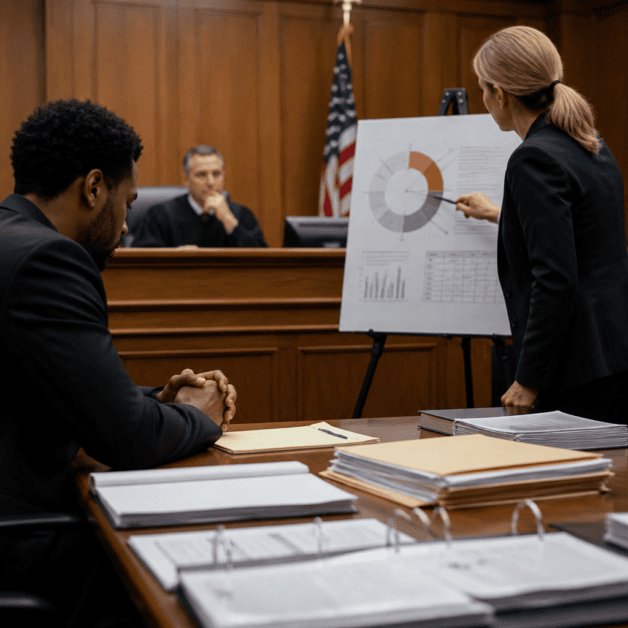
Title:Judicial Response to AI Bias Issues

How Courts Are Addressing AI-Driven Discrimination Cases

U.S. courts are increasingly allowing AI-driven discrimination claims to proceed under existing civil rights and employment laws, especially when plaintiffs can link an algorithm’s decisions to disparate impact or biased inputs. Recent lawsuits over automated hiring, lending, and tenant-screening tools show judges focusing on transparency, validation, and who bears responsibility for vendor-built systems. This article

How Courts Are Addressing AI-Driven Discrimination Cases Read More »

Legal Challenges in Online Content Moderation

What Are the Key Legal Challenges Facing Social Media Content Moderation Policies in 2024?

In 2024, the biggest legal challenges for social media content moderation are complying with at least four overlapping regimes: U.S. First Amendment/Section 230 disputes, EU Digital Services Act duties, state platform laws, and rising defamation/product-liability claims. These conflicts force platforms to balance speech rights, safety, and due-process transparency while managing cross-border enforcement. This article explains

What Are the Key Legal Challenges Facing Social Media Content Moderation Policies in 2024? Read More »

Navigating the Complex World of Bank Ratings and Legal Compliance

Bank Ratings Unveiled: Navigating the Legal Landscape of Financial Assessments

Bank ratings are issued primarily by the “Big Three” agencies—S&P, Moody’s, and Fitch—and heavily influence funding costs and investor decisions. In the U.S., they are regulated mainly under SEC/NRSRO rules and can trigger civil exposure when disclosures or reliance claims are alleged. This article explains how ratings are made, the governing regulations, and key liability

Bank Ratings Unveiled: Navigating the Legal Landscape of Financial Assessments Read More »

Scroll to Top