Explore the intersection of technology and law with in-depth articles and expert interviews focused on artificial intelligence in the legal field. Discover how AI is transforming legal practices, enhancing decision-making, and raising important ethical questions. Stay informed about the latest developments, case studies, and legal implications of AI, empowering attorneys and clients alike to navigate this rapidly evolving landscape.
Today, an AI itself can’t go to jail in the U.S.; criminal liability typically attaches to a human or corporate entity that deployed, controlled, or negligently supervised it. Prosecutors look for intent, duty, and foreseeability, while civil suits often target manufacturers, developers, employers, or owners. This article explains who can be charged and what factors […]
New York’s AI actor disclosure law requires advertisers to clearly disclose when an ad uses an AI-generated actor rather than a real person. The rule targets transparency in commercial advertising and aims to reduce consumer confusion and deception. This article explains what the law says, who must comply, and what disclosures may be required. What […]
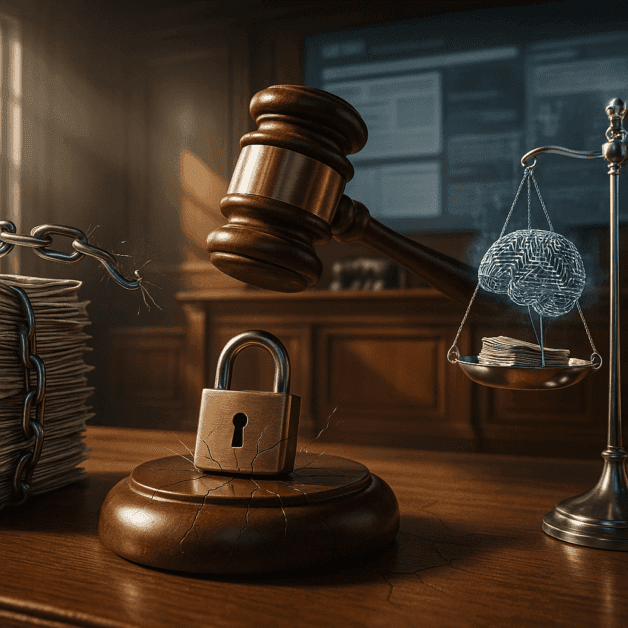
The AI Non-Sentience Act states that AI systems are not sentient and have 0 legal rights or personhood. This clarification keeps legal responsibility with the humans and companies that develop, deploy, and rely on AI in products, services, and decisions. This article explains the practical business impacts on liability, contracts, compliance, and risk management. Understanding […]
A single missing AI disclosure—clearly telling users they’re interacting with AI—can trigger class-action exposure with statutory damages that can reach $1,000 per violation under some laws. Plaintiffs use the lack of notice to argue deceptive practices and seek class-wide relief. This article explains the disclosure language, where it must appear, and how to reduce litigation […]
You can revoke a digital replica by sending a written revocation and demanding takedown, then enforcing it under at least 14 state AI/deepfake and right-of-publicity laws. Act fast because AI voice and face clones can be created from seconds of content and spread across platforms. This article explains the step-by-step process, evidence to collect, and […]
The OpenAI vs. New York Times lawsuit could decide whether AI training on copyrighted news is fair use or requires licensing and payment. A ruling for either side will shape how publishers get compensated and what AI models can lawfully ingest. This article explains the claims, likely legal tests, and the internet-wide implications for news […]
Synthetic influencers are legally treated differently because AI avatars can’t “hold” rights or intent, shifting liability to brands and creators under FTC endorsement rules. Regulators still require clear, conspicuous disclosure and truth-in-advertising compliance, while IP, publicity, and consumer protection claims attach to the humans/companies behind them. This article explains the evolving rules, key risks, and […]
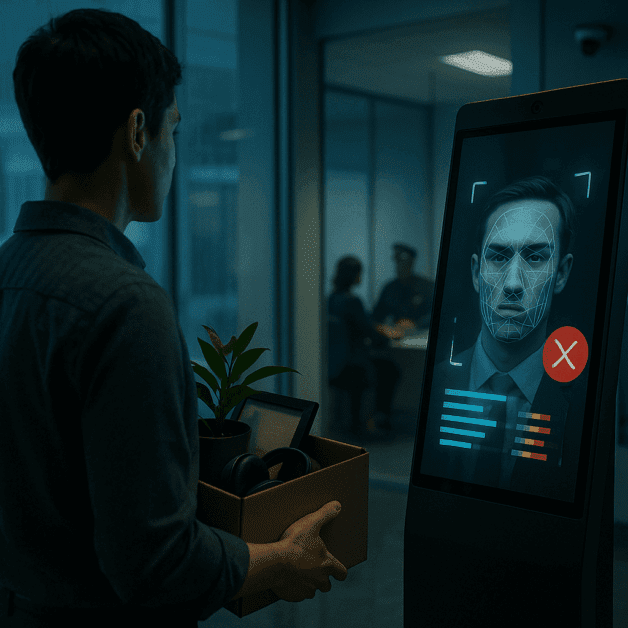
Yes—facial recognition and AI scoring can factor into termination decisions, and at least 20 U.S. states plus D.C. have biometric privacy laws that may limit such use. If an algorithm triggers firing, employers still must comply with anti-discrimination and privacy rules, and flawed tools can create liability. This article explains when AI-based firing may be […]
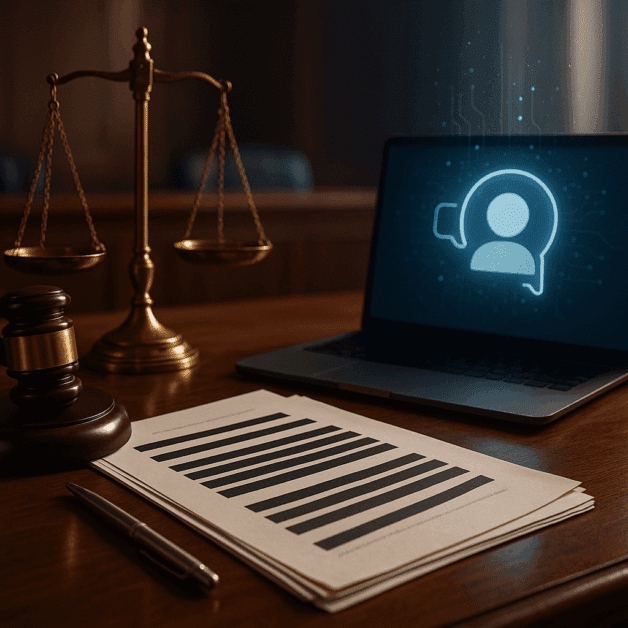
Suing an AI chatbot company for bad advice usually hinges on arbitration clauses and proving negligence or deceptive practices, and many claims get dismissed early. You’ll need dated chat logs, reliance proof, and documented damages (e.g., $2,000 loss) to have leverage. This article walks through the complaint, the company’s defenses, and what happened next. When […]
Sometimes—but there is no single U.S. law that guarantees your face can be deleted from an AI model. Deletion depends on the agency, the data source, and applicable state privacy/biometric laws, and trained models often can’t be cleanly “untrained.” This article explains when removal is possible, how to request it, and what legal options exist […]
February 13, 2026•By Attorneys.Media Editorial Staff
Corporate governance encompasses systems, rules, and processes directing organizations. Modern AI governance frameworks extend traditional principles of transparency, accountability, fairness, and responsibility to address algorithmic bias, data privacy, and automated decision-making while ensuring corporate compliance obligations.
February 11, 2026•By Attorneys.Media Editorial Staff
Modern risk management combines proactive threat identification with legal compliance. Businesses need risk management legal help, AI risk management frameworks, and cyber risk management lawyers to navigate complex regulations, protect assets, and ensure long-term success in today's digital landscape.