Explore the intersection of technology and law with in-depth articles and expert interviews focused on artificial intelligence in the legal field. Discover how AI is transforming legal practices, enhancing decision-making, and raising important ethical questions. Stay informed about the latest developments, case studies, and legal implications of AI, empowering attorneys and clients alike to navigate this rapidly evolving landscape.
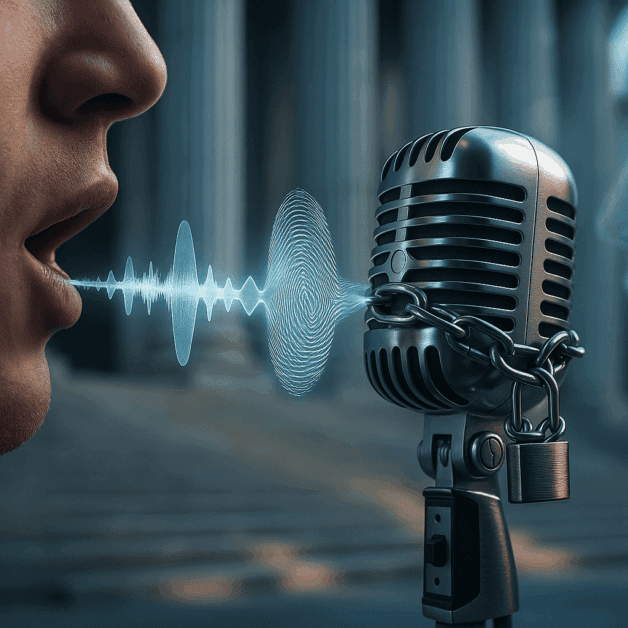
The Supreme Court is poised to decide whether AI voice cloning can be stopped under existing rights like publicity and privacy, potentially setting a nationwide standard. That ruling would clarify what claims and remedies apply when your voice is copied without consent. This article explains the case, what’s at stake, and practical steps to protect […]
In most cases, you cannot copyright a purely AI-generated image in the U.S.; the Copyright Office requires human authorship, and protection applies only to the human-created elements. Recent guidance and registration decisions reaffirm that prompts alone typically aren’t enough, while meaningful human selection, arrangement, or editing may qualify. This article explains the Office’s current position, […]
The new rule requires lenders to provide specific reasons when an AI-driven system denies a loan, not vague “credit score” statements. It strengthens adverse action notices so borrowers can understand, challenge errors, and take steps to improve approval odds. This article explains what the rule changes, who it applies to, and what consumers should do […]
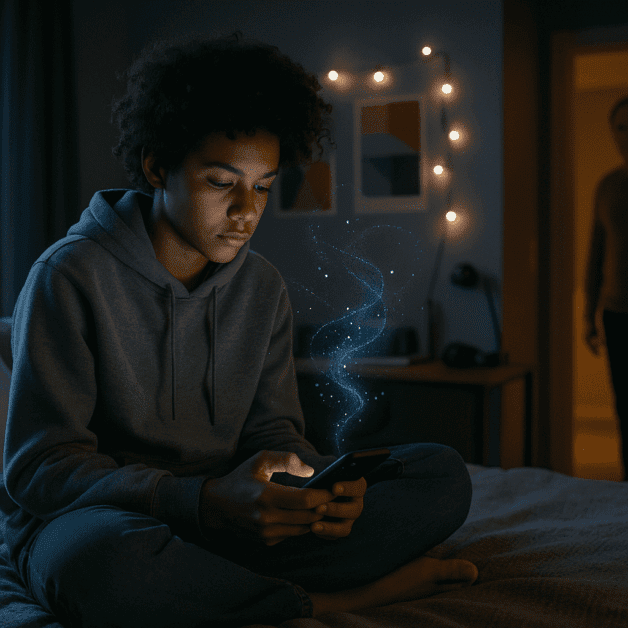
Companion AI apps are chatbots that simulate friendship or romance, and millions of teens use them daily. They can feel supportive, but also raise risks around privacy, grooming-like manipulation, and emotional dependency. This article explains what companion AI is, why teens are drawn to it, and practical steps parents can take tonight. What Is a […]
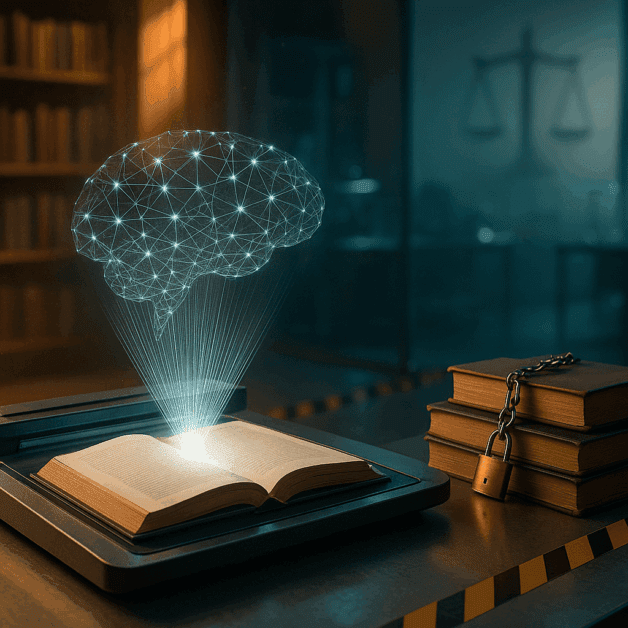
AI training on copyrighted books can qualify as fair use under the 4-factor test when the use is transformative and doesn’t substitute for the original. It becomes infringement when copying is substantial, used commercially to compete, or outputs reproduce protected expression. This article explains where courts draw the line, key factors, and practical risk for […]
Some employer AI monitoring is legal, but in 12 states employers must obtain consent for certain recordings under “two‑party” consent laws. Monitoring that captures audio/video, biometrics, or off‑duty activity can violate privacy, wiretapping, or labor laws if it’s undisclosed or overbroad. This article explains how to identify AI tracking, what laws apply, and when to […]
Using AI at work can forfeit whistleblower protections if the tools route sensitive information outside approved reporting channels or breach confidentiality rules. Many statutes protect disclosures only when made through specific, secure processes, and AI use can unintentionally create unauthorized “publication” or mishandling of protected data. This article explains the new rule’s rationale, the legal […]
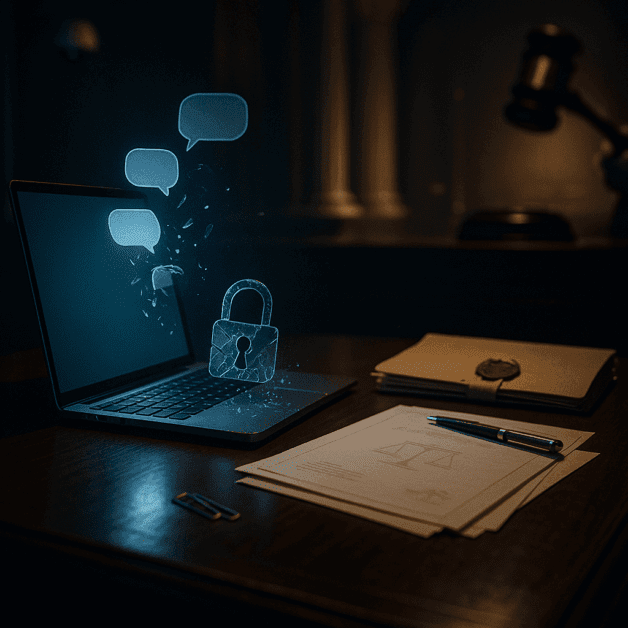
A judge ruled that ChatGPT-related communications may not qualify for attorney-client privilege. Because AI tools aren’t your lawyer and may involve third-party services, sharing legal facts there can waive confidentiality. This article explains the ruling’s impact, when privilege applies, and safer ways to use AI with your attorney. What Just Happened in Court? A recent […]
AI-generated evidence is admissible only if it meets 4 core requirements: relevance, authentication, reliability, and surviving Rule 403 prejudice concerns. Courts typically require metadata, chain of custody, and sometimes expert testimony to show how the AI content was created and whether it was altered. This article explains when AI outputs can be used at trial […]
Never type 7 categories of sensitive information into public AI tools. Public AI chats may be stored, reviewed, or used for training, increasing the risk of exposure. This article lists the seven items to avoid and explains safer alternatives. Why What You Type Into AI Tools Matters More Than You Think Public AI tools have […]
You typically file an EEOC Charge of Discrimination (Form 5) within 180 days (or 300 days in many states) to challenge an AI-driven hiring, promotion, or layoff decision. This preserves your rights and can lead to an EEOC investigation and a right-to-sue letter. This article explains the exact form, timelines, and what to include when […]
In the U.S., you can face liability for bot-generated posts when you authorized, directed, or materially contributed to the specific unlawful content. Courts treat bots as tools, so intent, control, and foreseeability often determine who “said” it. This article explains the emerging legal test, key defenses, and how users, companies, and platforms assess risk. When […]