Criminal Trial

<a href="https://attorneys.media"><img class="aligncenter size-full wp-image-32438" src="http://attorneys.media/wp-content/uploads/2023/12/Criminal-Trial.jpg" alt="Legal Experts at Work: Strategizing in a Criminal Trial Setting" width="1024" height="1024" /></a> <h4>Comprehensive Guide to Criminal Trials: Legal Procedures and Rights - 70 Characters</h4>   The <strong>criminal trial</strong> is a fundamental aspect of the legal system, encompassing the procedures and practices that govern how criminal cases are tried in court. Understanding these processes is essential for defendants, legal professionals, and the general public. At the core of criminal trials is the principle of fairness and justice. The trial provides a platform where evidence is presented, witnesses are examined, and legal arguments are made before a judge or jury. The goal is to ascertain the truth and ensure that justice prevails. A crucial element of a criminal trial is the role of the defense attorney. These legal professionals represent the accused, advocating on their behalf and ensuring their rights are protected throughout the trial. They challenge the prosecution's case, cross-examine witnesses, and present evidence to support their client's defense. The prosecution, representing the state, bears the burden of proving the defendant's guilt beyond a reasonable doubt. This high standard ensures that no individual is wrongfully convicted based on insufficient or dubious evidence. Another key aspect of criminal trials is the jury selection process. Jurors are chosen to represent a fair cross-section of the community and are tasked with delivering an impartial verdict based on the evidence and legal instructions. The trial process typically involves several stages, including opening statements, witness testimony, cross-examination, closing arguments, and the delivery of a verdict. Each stage plays a vital role in the trial's overall outcome. In conclusion, criminal trials are complex and require a thorough understanding of legal principles and procedures. They are the cornerstone of the criminal justice system, ensuring that every individual receives a fair trial. Furthermore, the preparation for a criminal trial is an intensive process. Defense attorneys and prosecutors gather evidence, interview witnesses, and develop legal strategies. This preparation is crucial in building a compelling case for or against the accused. The trial also includes specific legal motions and hearings before the main trial proceedings. These pre-trial motions can determine the admissibility of evidence, set bail conditions, and address other legal issues. Additionally, the rules of evidence play a significant role in criminal trials. These rules determine what evidence is admissible and how it should be presented in court. Understanding these rules is essential for both legal professionals and defendants. Finally, the sentencing phase follows a conviction in a criminal trial. Sentencing takes into account various factors, including the nature of the crime, the defendant's criminal history, and statutory guidelines. In sum, criminal trials are a pivotal part of the legal system, embodying the principles of justice and due process. They require meticulous preparation, in-depth legal knowledge, and a commitment to upholding the law.

42 posts

What Is Depraved Indifference: Complete Guide to Criminal Law Standard

What Is Depraved Indifference: Complete Guide to Criminal Law Standard

Depraved indifference is a criminal law standard that treats conduct showing an utter disregard for human life as equivalent to extreme recklessness, supporting serious charges like second-degree murder in some jurisdictions. It applies when the risk of death is so grave and obvious that the defendant’s behavior demonstrates indifference to whether someone lives or dies. […]
Read More
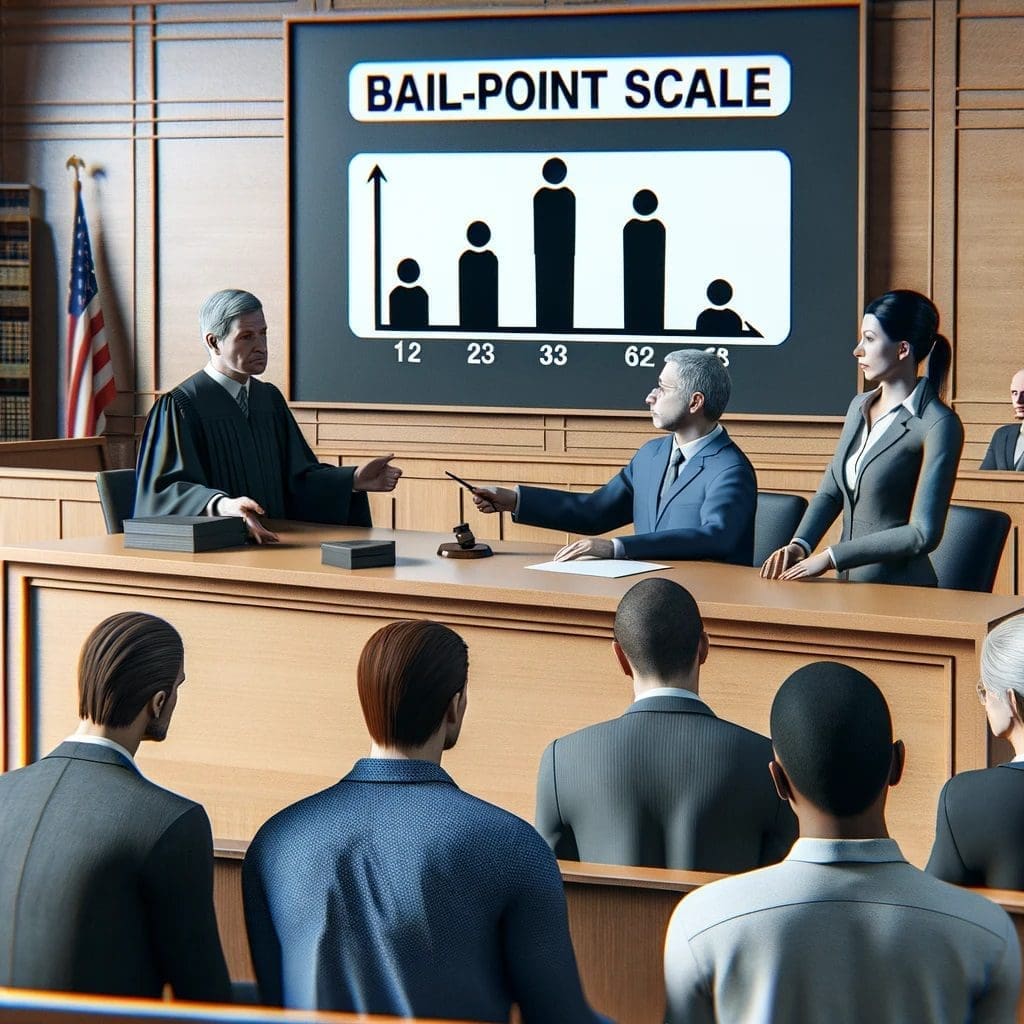
Can You Challenge Your Bail-Point Score?

Can You Challenge Your Bail-Point Score?

Yes—if your bail-point score was calculated using incorrect or outdated information, you can ask the court to review and correct it, and a judge may adjust release conditions. Bail-point systems rely on arrest details, prior history, and risk factors, so even small errors can raise a score and lead to higher bail or detention. This […]
Read More
Inside The Laci Peterson Murder

Inside The Laci Peterson Murder

Laci Peterson, a 27-year-old from Modesto, California, was murdered in 2002, and her husband Scott Peterson was convicted in 2004. The case drew national attention after Laci and her unborn son, Conner, disappeared on Christmas Eve and their remains were later found along the San Francisco Bay. This article explains the timeline, key evidence, major […]
Read More
Assault Charges: Building a Strong Defense Strategy

Assault Charges: Building a Strong Defense Strategy

Prosecutors must prove assault beyond a reasonable doubt, and strong defenses often include self-defense, lack of intent, misidentification, or false allegations. Early evidence preservation, witness interviews, and reviewing body-cam or surveillance footage can materially change outcomes. This article explains assault charge types, penalties, and how to build an effective defense strategy. Facing assault charges can […]
Read More
DUI Defense Strategies: How to Fight a Drunk Driving Charge

DUI Defense Strategies: How to Fight a Drunk Driving Charge

A DUI arrest doesn’t guarantee a conviction—prosecutors must prove impairment beyond a reasonable doubt. Defense often targets the legality of the stop, testing accuracy, and evidence handling. This article outlines practical DUI defense strategies and legal approaches to protect your rights and minimize consequences. Facing a DUI charge can be a daunting experience, but it’s […]
Read More
How to Navigate Your California DUI Case Successfully

How to Navigate Your California DUI Case Successfully

A California DUI can lead to fines of about $2,000+, a license suspension, and possible jail time, depending on your BAC and prior record. Deadlines for the DMV administrative per se hearing and early evidence review can significantly affect your driving privileges and defense options. This article explains the DUI process, key timelines, defense strategies, […]
Read More
How In-Custody Defendants Should Prepare For The Pre-Sentence Probation Interview

How In-Custody Defendants Should Prepare For The Pre-Sentence Probation Interview

In-custody defendants should prepare for the pre-sentence probation interview by reviewing the charges and case facts, gathering mitigating records, and coordinating closely with counsel before speaking with probation. This interview heavily influences the probation report and sentencing recommendations the judge will rely on. This article explains what probation will ask, what documents to collect, what […]
Read More
DNA GOES TO COURT – ll

DNA GOES TO COURT – ll

DNA has been used in law enforcement since 1985 to identify individuals through unique genetic profiles. In court, it can strongly link a suspect to evidence, but experts still dispute interpretation, lab practices, and statistical certainty. This article reviews those debates and how DNA testimony impacts criminal prosecutions. Second Of A Three-Part Series By John […]
Read More
Kobe Bryant: What Really Happened, and Where Does It Go From Here?

Kobe Bryant: What Really Happened, and Where Does It Go From Here?

Kobe Bryant was charged with sexual assault in 2003, and the criminal case was dismissed in 2004 after the accuser declined to testify. The article reviews the allegations, media coverage, and legal aftermath, including civil-settlement context. It also features Bill Bickel’s interview with Jeffrey Scott Shapiro about his book “Kobe Bryant; The Game of His […]
Read More
Cooking Up Salvation

Cooking Up Salvation

Jeffrey Henderson, 37, says he “poisoned a whole generation” while becoming one of Southern California’s youngest, wealthiest crack cocaine dealers. The article contrasts his teenage excess—cars, women, money, and Las Vegas trips—with his later life in Las Vegas. It recounts his criminal rise and personal path toward salvation. By the editorial staff of Crime, Justice […]
Read More
Three Strikes Get a Second Look

Three Strikes Get a Second Look

“Three strikes” laws impose life or near-life prison sentences after a third qualifying felony in many states, but courts and legislatures have increasingly narrowed who qualifies and how prior convictions count. Recent reforms and appellate decisions have expanded options to challenge strikes, seek resentencing, or reduce enhancements based on the nature of the offenses and […]
Read More
Restitution Is Payback

Restitution Is Payback

In California, restitution is mandatory after a criminal conviction and requires the defendant to pay the victim for proven economic losses. Courts set the amount based on documented expenses like medical bills, property damage, and lost wages, and it can be enforced like a civil judgment. This article explains what restitution is, how it’s ordered, […]
Read More
Scroll to Top